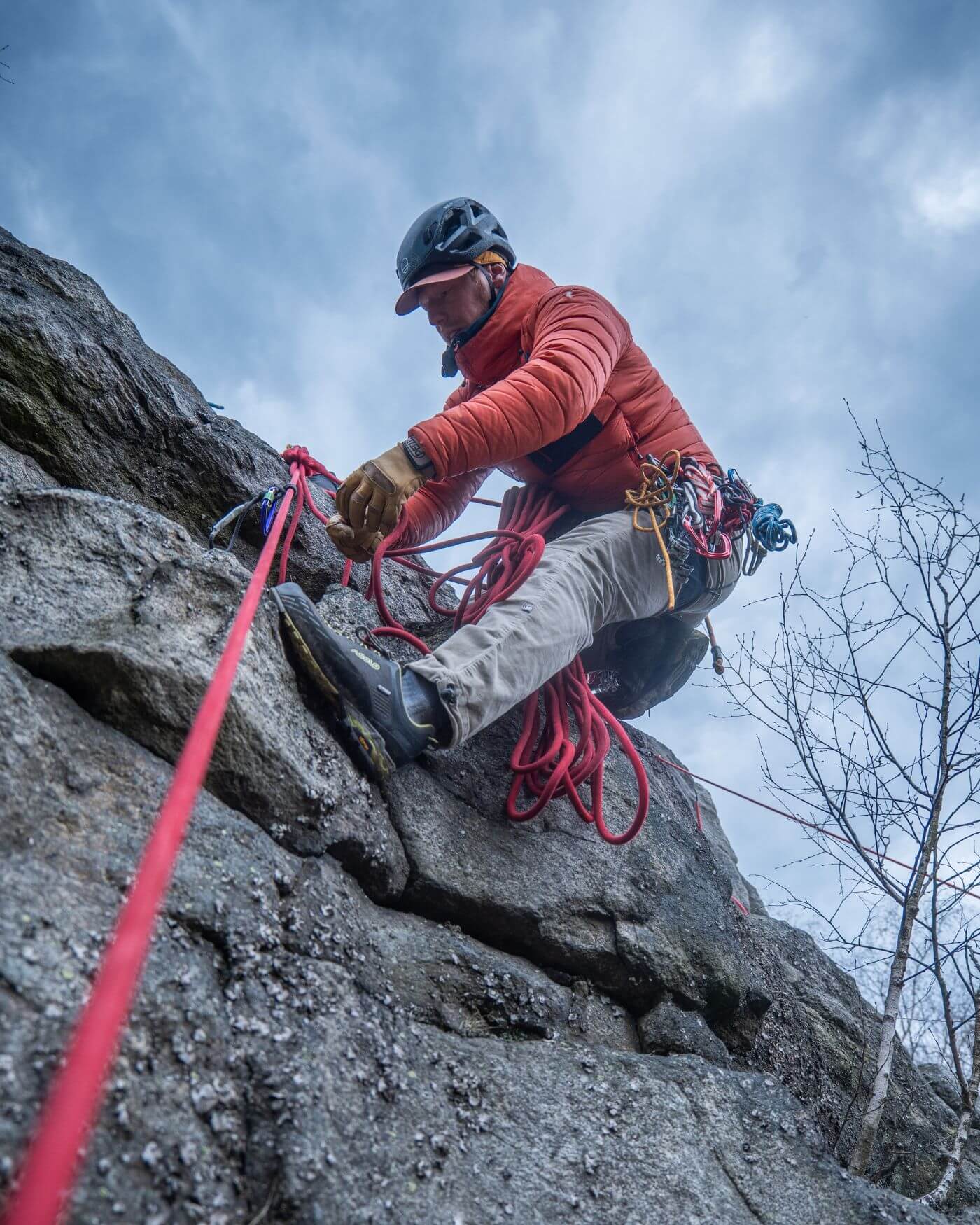
Some people use gear normally. Others push it right to the edge. “Well, I have to say I did things in these boots that very few people will ever do in them,” says Šimon Janošec, currently a mountain guide in training. Besides the usual approaches to crags, via ferratas and days out on the rocks, he climbed over 1,200 metres in them on grade 3 to 5c terrain. And that's counting multi-pitches only. “How many easier single-pitch routes up to 5c I climbed in them on the courses I ran, I couldn't even tell you.
They were simply full-on months with no rest. So now for how the Asolo Eldo made their mark. And how they ended up.
Šimon tested the Asolo Eldo LTH GV – with a full-leather upper, the 2025 model. For 2026 Asolo has brought out a new, reworked model, the Eldo LTH EVO GV (355 g). It's also available in a version with a durable synthetic upper, weighing 360 g.
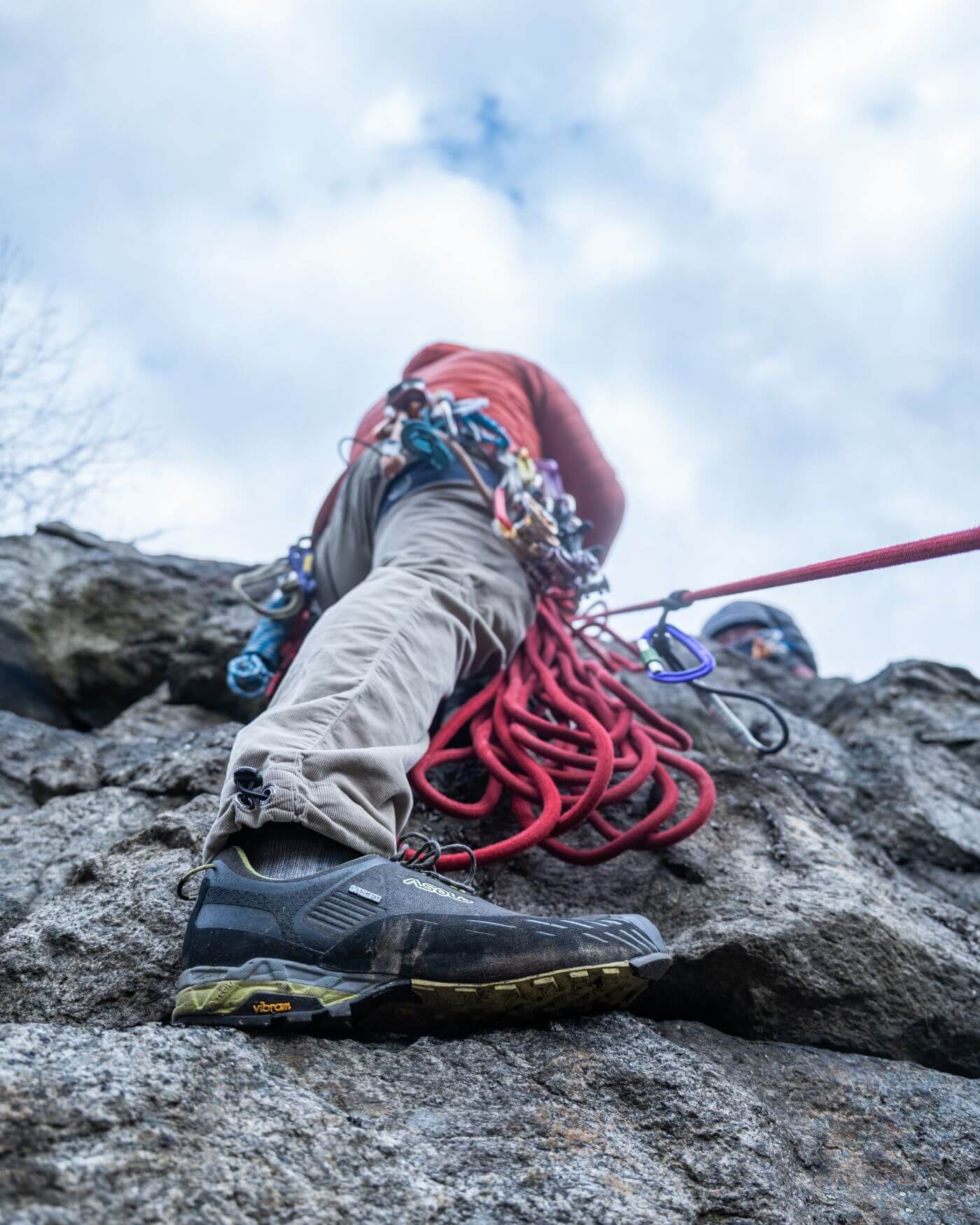
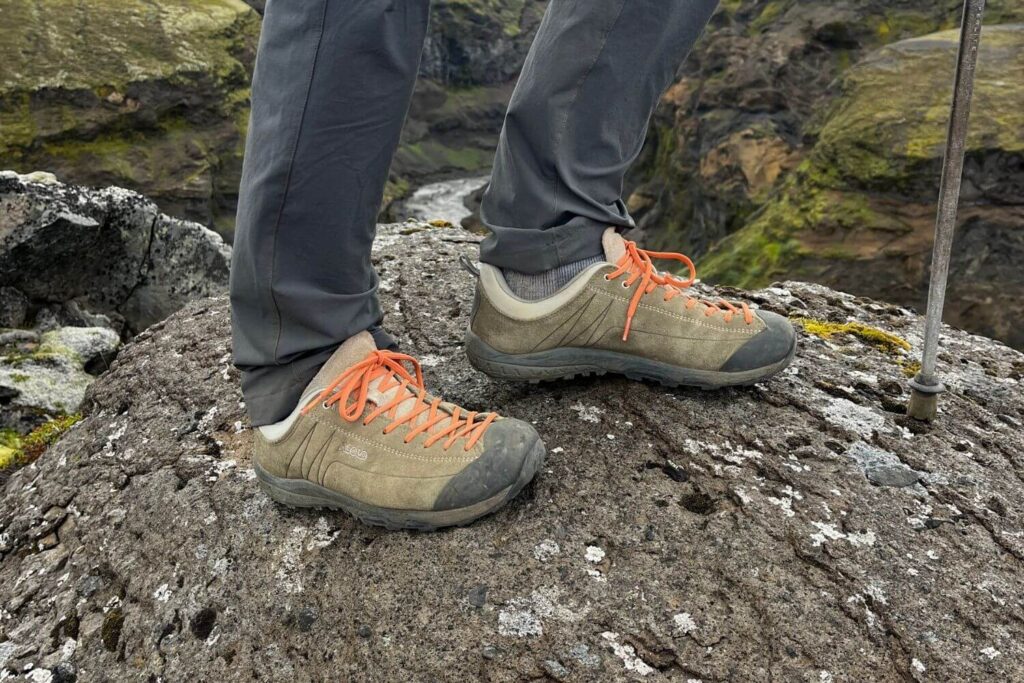
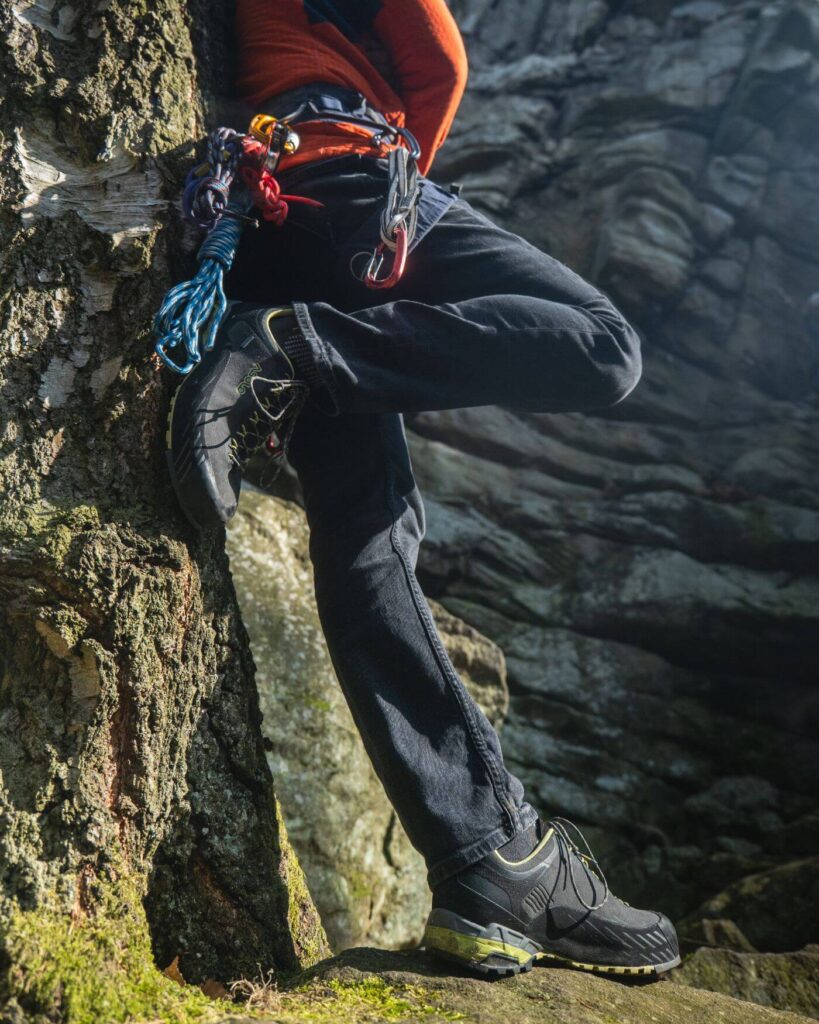
First reaction on pulling them out of the box? “Whoa, they're really light!” Šimon recalls their grand entrance, adding that the construction tells you about their character at first glance. “A rubber rand all the way round. A one-piece tongue so water doesn't get in. A neat loop you can clip to your harness.”
But let's move from the living room out into the field. Because in three months the Asolo Eldo spent as much time out there with Šimon as other boots don't manage in two years. “I've had plenty of approach shoes. But none like these! You can't really compare them with others,” says Šimon, singling out their lightness and sensitivity. “It's simply amazing, and in my view that makes them a very distinctive boot on the market.”
The Asolo Eldo EVO LTH GV and Eldo EVO GV are designed mainly for technical ascents, via ferratas and hikes on more demanding terrain. That's why they have a protective rubber rand all the way round and lacing that runs right down to the toe – which helps your feel for the rock.
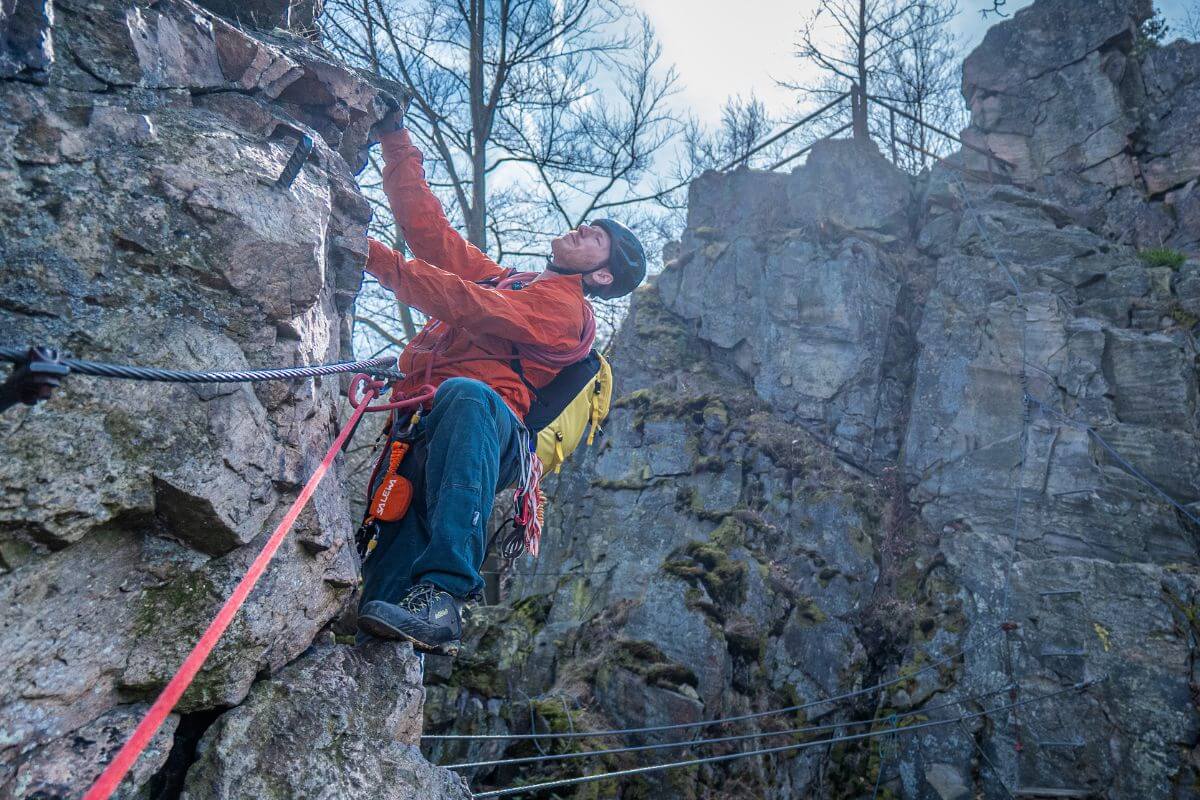
So, in more detail. How did the boots handle different terrain? “Tarmac, comfortably. Gravel, dirt, mud and roots, decently. Scree and rocky terrain? Excellently!” is how Šimon rates the confidence they gave him. And he goes on: “For me, the rubber on the sole is a perfect choice – it sticks like glue to all kinds of rock.”
Even more detail? Day after day in the field, from dawn to dusk? “As far as width goes, my feet felt right at home. On less rugged ground it was like walking on clouds. On scree and sharp, pointy rocks I could feel exactly what I was stepping on. And that I was really standing solid,” Šimon explains, and goes on: “That turned out to be a brilliant quality when climbing or on via ferratas.”
The Asolo/Vibram® AG Pro sole uses the XS Trek compound, which grips on both dry and wet rock, gives you confidence on steel rungs and, thanks to the climbing zone at the toe, lets you push off and stand even on tiny rock edges.
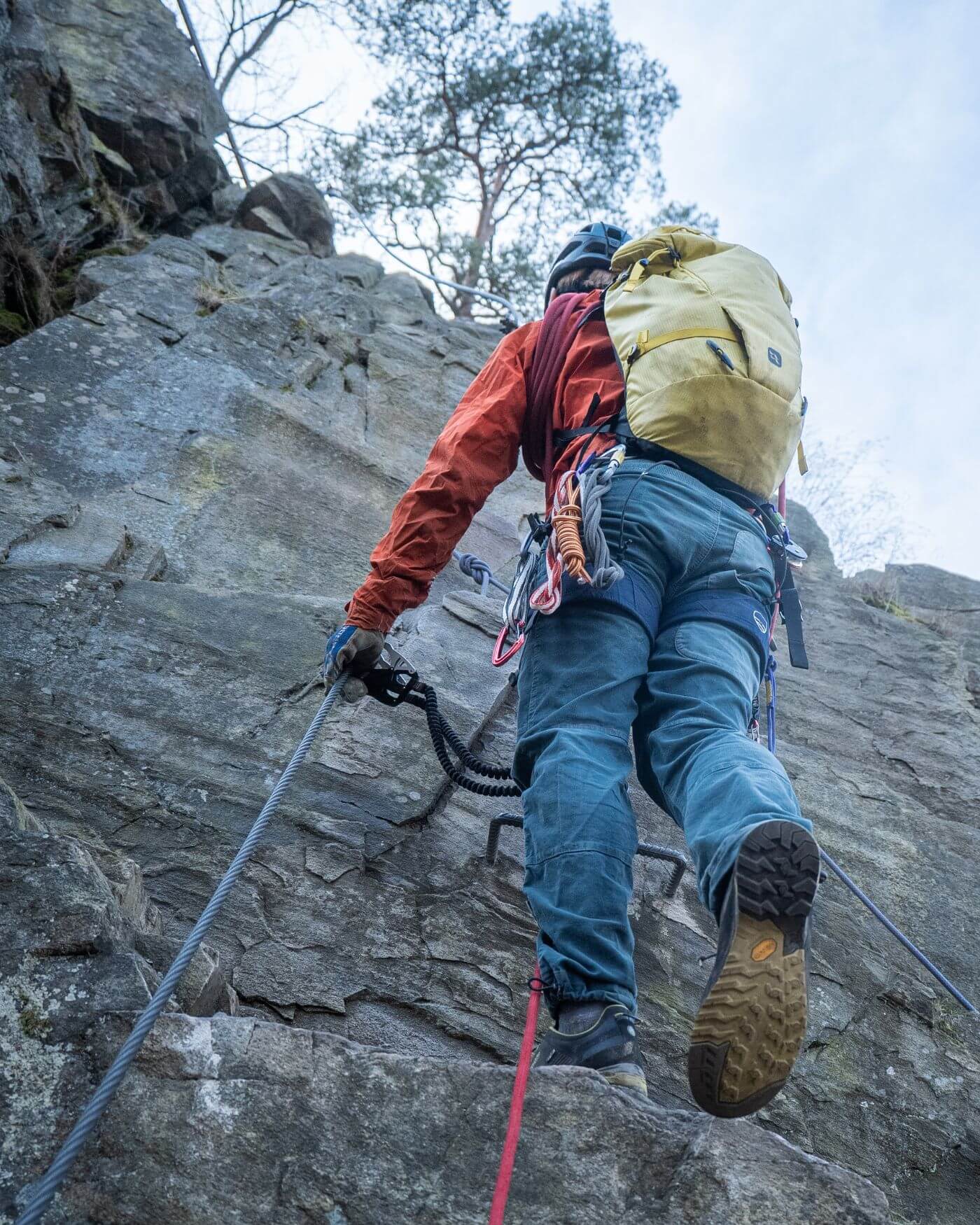
Of course, they're not miracle workers. Let's keep our feet on the ground here. They have their limits. “I tested them on single-day missions with a pack of up to twelve kilos,” Šimon points out, saying that's exactly where they belong. “But taking them on a multi-day traverse with a twenty-kilo pack? Probably not. That's not a flaw,” he says, adding that what makes them unique lies elsewhere.
And what about moisture? You run into that everywhere. “I'm not a big fan of Gore-Tex in low leather boots. Until now it struck me as overkill that just makes your feet sweat more,” Šimon describes his scepticism. But during training in the Vysočina region he spent one full day outdoors in them in the rain. And? “I have to admit it makes sense. I was surprised that even at the end of the day my feet were dry.”
The waterproof GORE-TEX® Extended Comfort membrane has no insulating layer. So it doesn't trap heat and suits more intense activities in mild and warmer conditions. In the rain or when crossing snowfields, your feet stay dry.
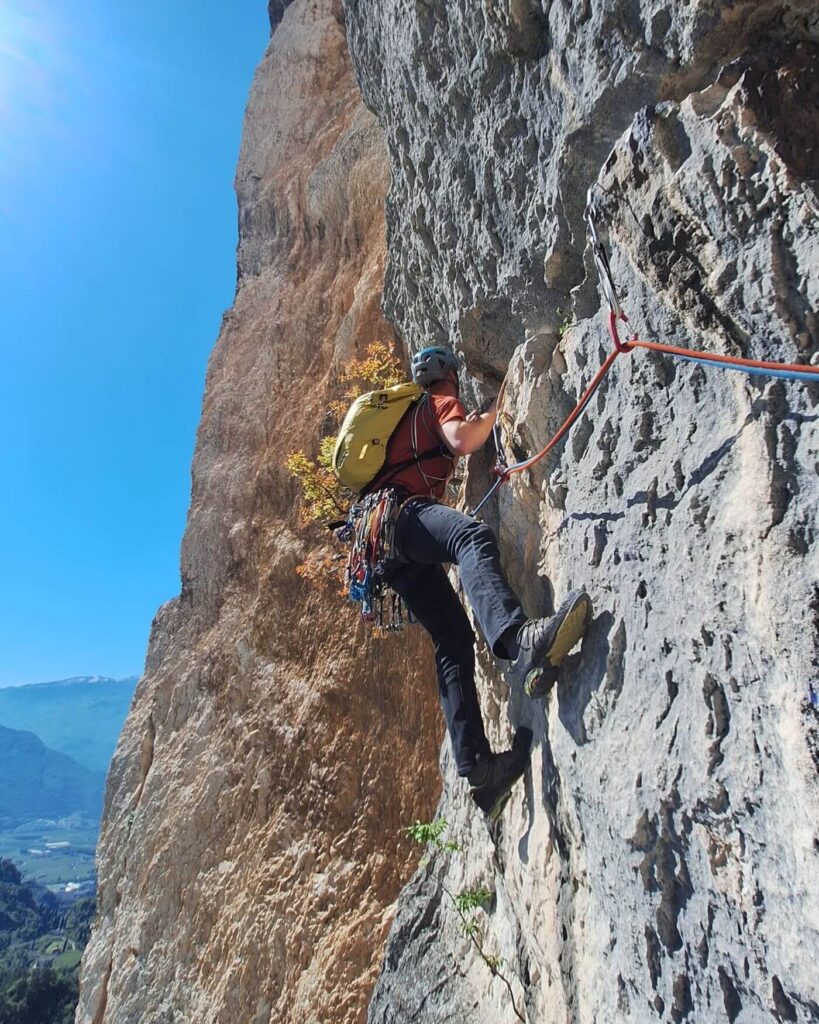
Then in Arco there was a minor stumble. Šimon cracked a toenail in the river. “And that evening I couldn't think of anything better to do than rip the nail off,” he recalls, and his toe throbbed for two days afterwards. “It was absolutely crap!”
But this was training for future guides. He had to keep going. “If I'd had, say, La Sportiva Boulders, which have an extra-narrow toe, or Garmont Dragontails, whose rubber, I feel, only grips on tarmac at best, I'd probably have been in trouble. And I'd have got through the course on painkillers. But the Eldos saved me. Thanks to their wide toe box and brilliantly grippy rubber on the sole, I got through it pretty calmly.”
Even when the sole wears smooth, it's not the end. Asolos can be resoled. Send them in for refurbishment and you'll get them back with a new sole, rand, laces, insole and repaired seams.
And now the verdict. What state are Šimon's Eldos in? “The leather is still like new! Including the laces and the cords the laces run through,” Šimon sums up, adding that on the rand, especially at the toe, you can of course see the boots have been used. “But the tread on the sole is still in great shape and grips brilliantly.”
Any snags? “The sole coming unstuck at the heel,” says Šimon of the damage he discovered at the end of those months of hard graft. Under heavy loads, these things happen. And Šimon knows it: “It's nothing I couldn't fix myself. Or that Asolo couldn't repair – they have a great boot repair service, even out of warranty.”