Where to put your poo and how to leave no trace

Everyone has to go sometimes. Some people bury it (or even carry it out in a bag), while others leave little gifts behind. Let's talk about what usually only gets whispered about. There are more and more of us out there – and mountains of white paper and stinky piles make nobody happy. So: how do you poo in the mountains?

The mountaineer's mantra: leave no trace

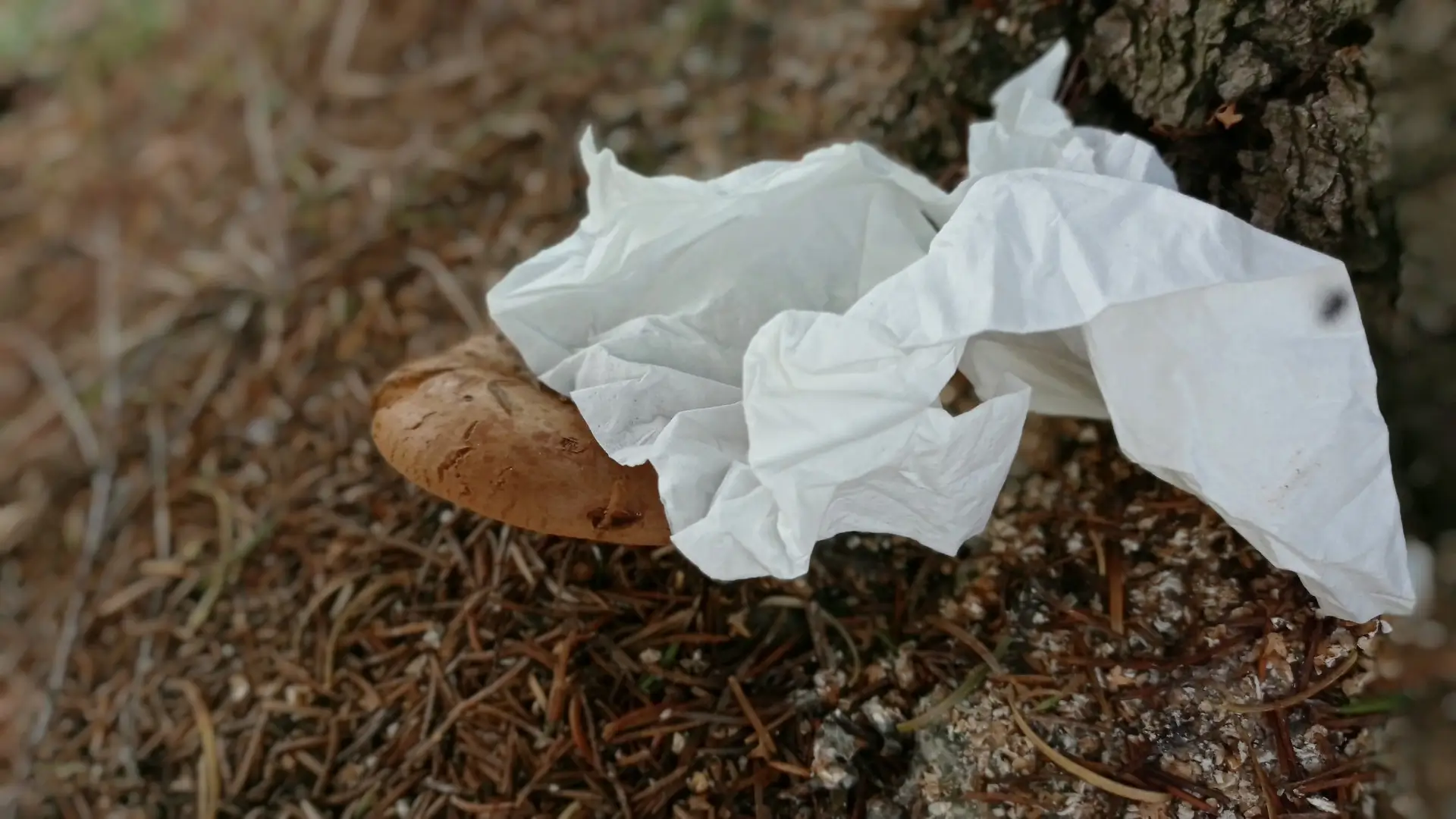
Nature will call in the mountains too, that's a given. Going for a number two outdoors is nothing to be ashamed of. What's shameful is leaving it there. Piles by the trail, paper in the dwarf pines or a "surprise" a few steps from the campsite. All of that turns the wilderness into a rubbish dump – and people into pigs.
Outdoor etiquette isn't about being an eco-evangelist. It's basic respect for the place, for people, for animals and for yourself. And as you'll see, sometimes it's also a matter of health, logistics and survival.

Toilet etiquette in nature

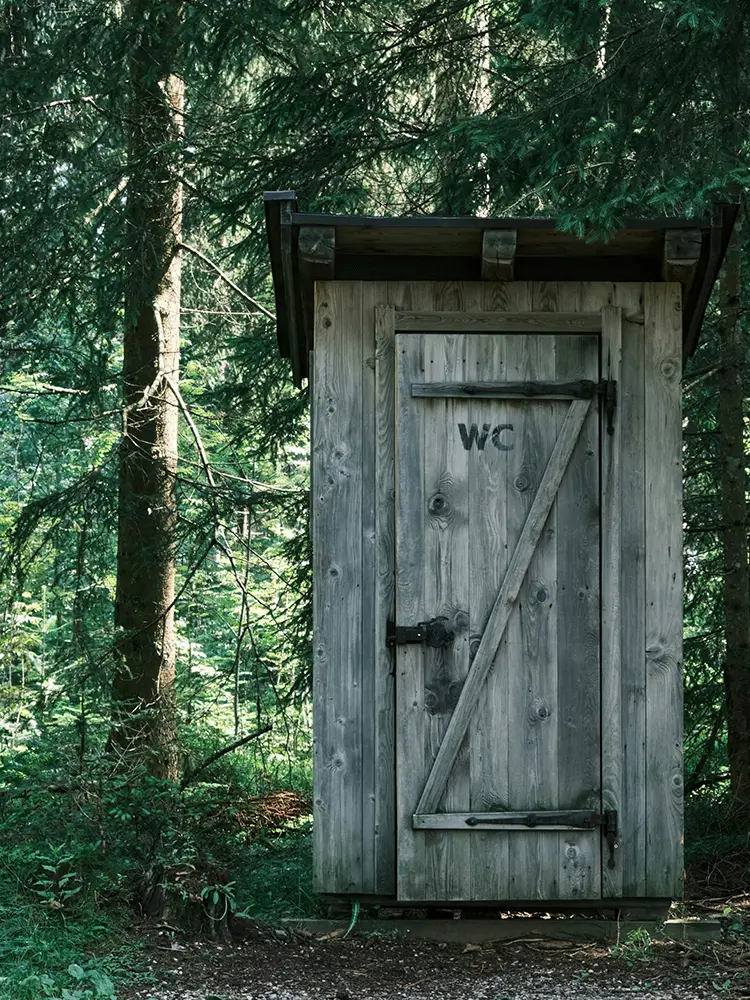
Before we head up the walls and into windswept cols, let's start in the woods. Literally. Take the Giant Mountains. The White Carpathians. Pálava. The principle is always the same: leave no trace. And if something does stay behind you, let it be a bootprint at most.
Where to go
Away from water
At least 60–100 metres from streams, lakes and springs.
Off trails and busy spots
You don't want anyone stepping in your poo.
In soft soil
So you can dig a hole and your waste breaks down more easily.
How to do it
Dig a hole 15–20 cm deep
That's the minimum to protect water, wildlife and people.
No wet wipes
They're synthetic and don't decompose. Take them with you.
A sunny, open spot
Rain and warmth speed up decomposition. Finally, cover it all, level it and disguise it.
What to bring
A folding trowel
A little miracle, but a stick or the heel of your boot will do the job too.
White, unscented loo roll
That kind breaks down best.
Ziplock
Ideally opaque – for used paper. Maybe labelled "technical samples".
"The worst is when you step in someone else's tracks – and it's not the ones in the snow."
 a trail runner from the Beskids with a thoroughly caked sole

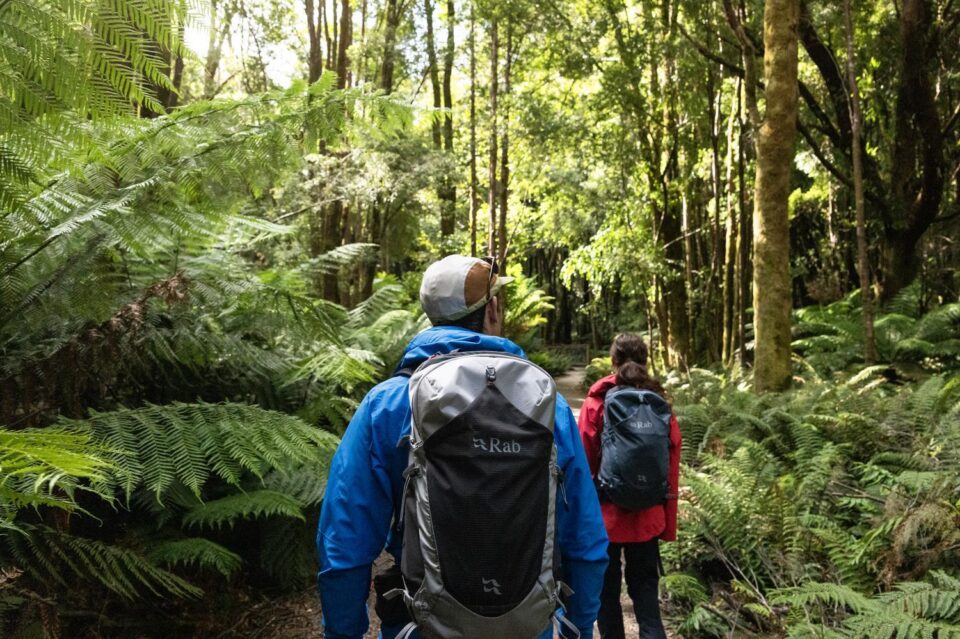
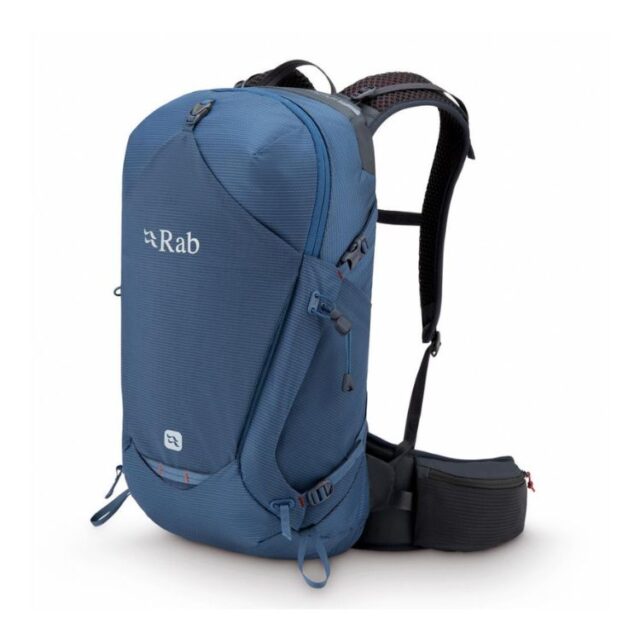
Rab Protium

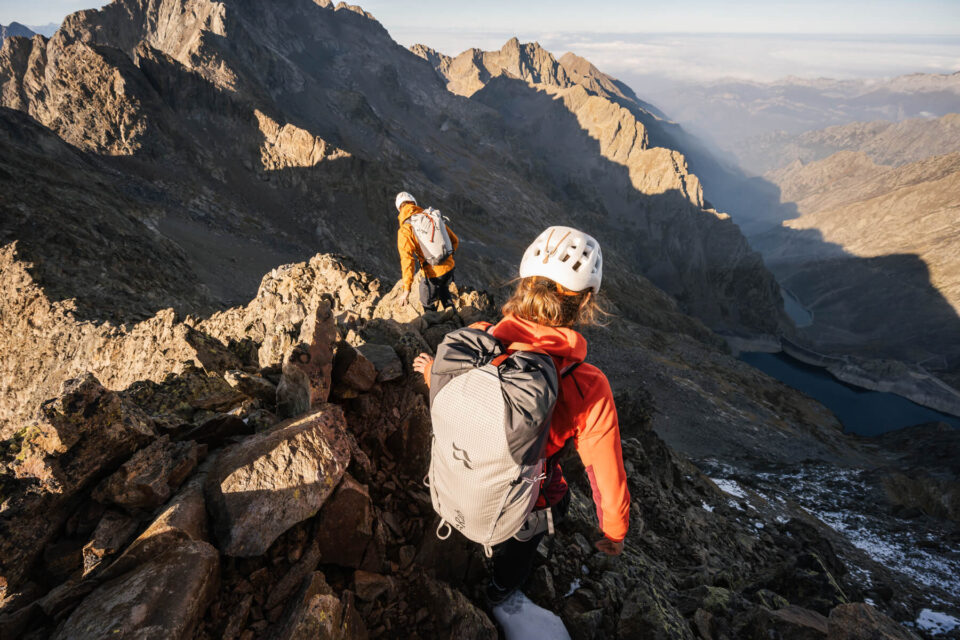
Full-day hikes, mountain ascents, via ferratas, fastpacking. The breathable back panel with its semi-rigid frame flexes the way your body moves. And the front stretch pocket is just the place for your trowel or a ziplock of used tissues.
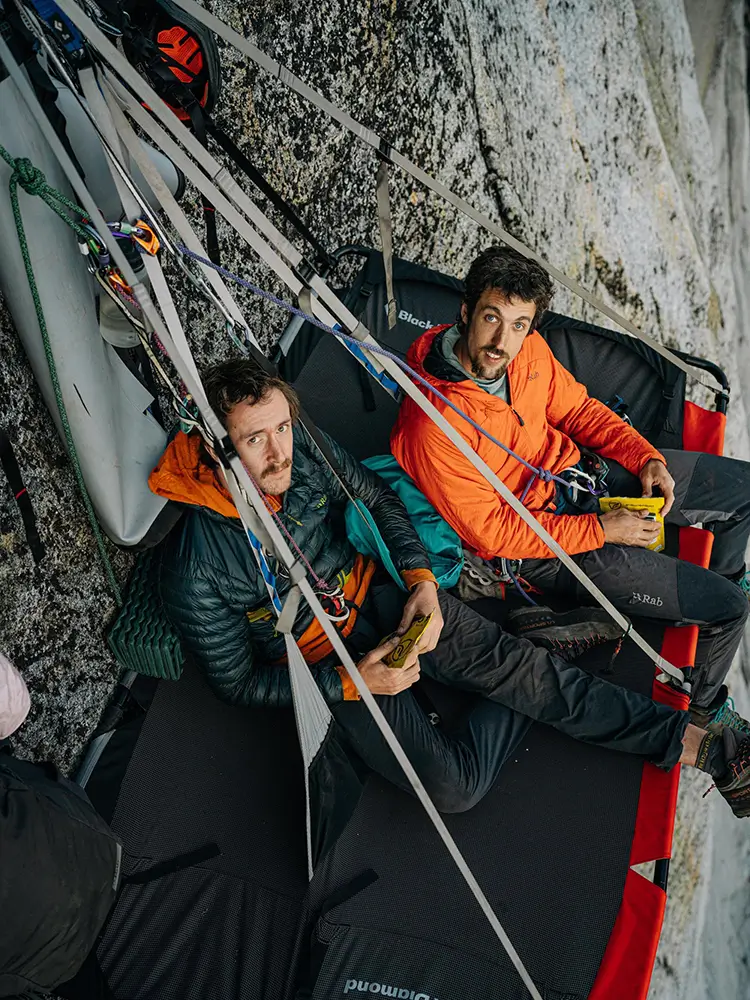
Two climbers sitting on a portaledge hanging on a rock face, seen from above.

El Capitan. When you're hanging on the wall

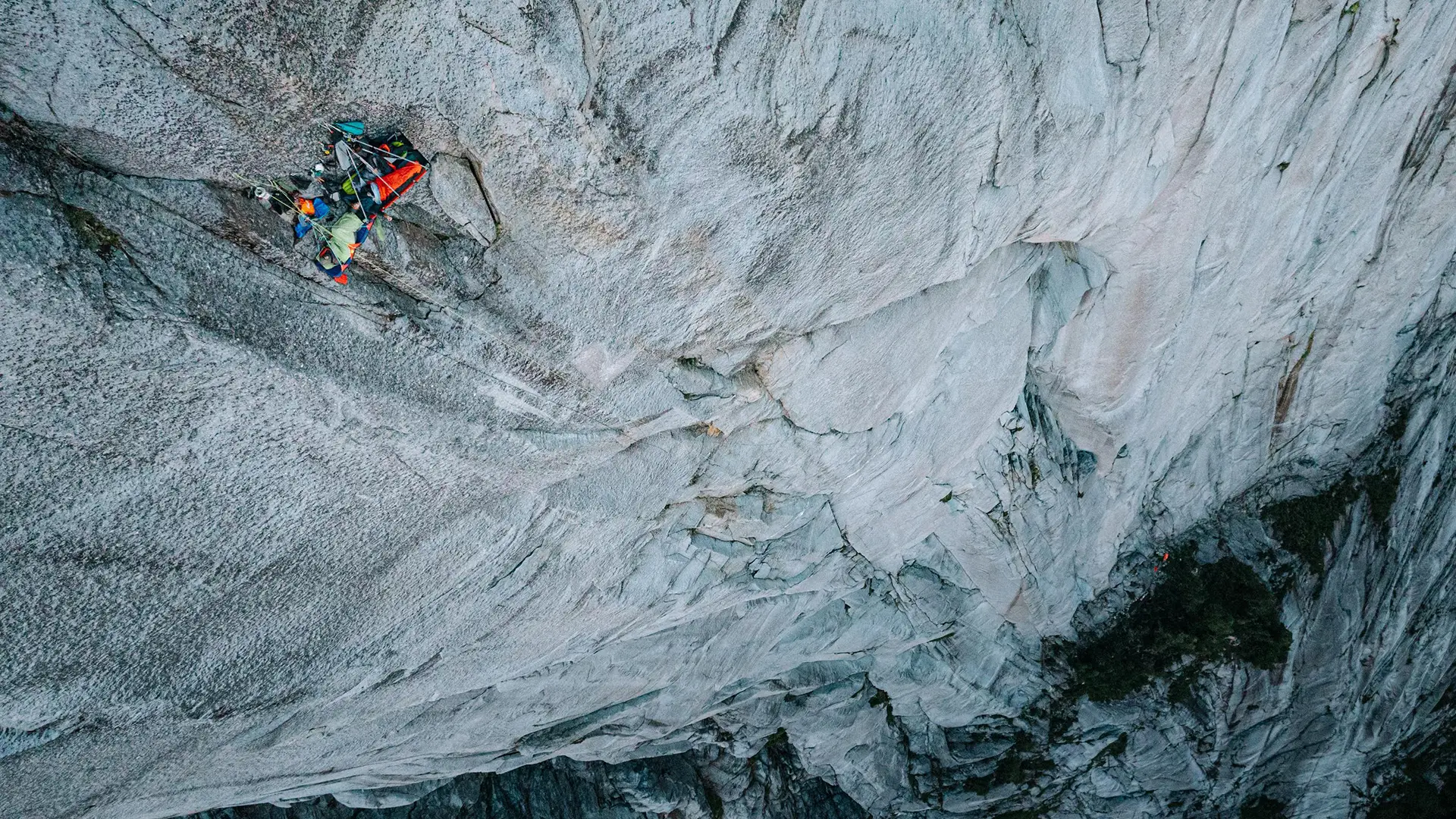
There are also situations where there's no ground beneath your feet at all. Just a vertical wall, a few slings and a portaledge dangling in the air. Welcome to the world of big wall climbing – where the toilet is a logistical puzzle.
There's no burying anything here. Everything you produce, you have to carry back down. Including what you enjoyed so much for dinner last night.

Pooing on the wall

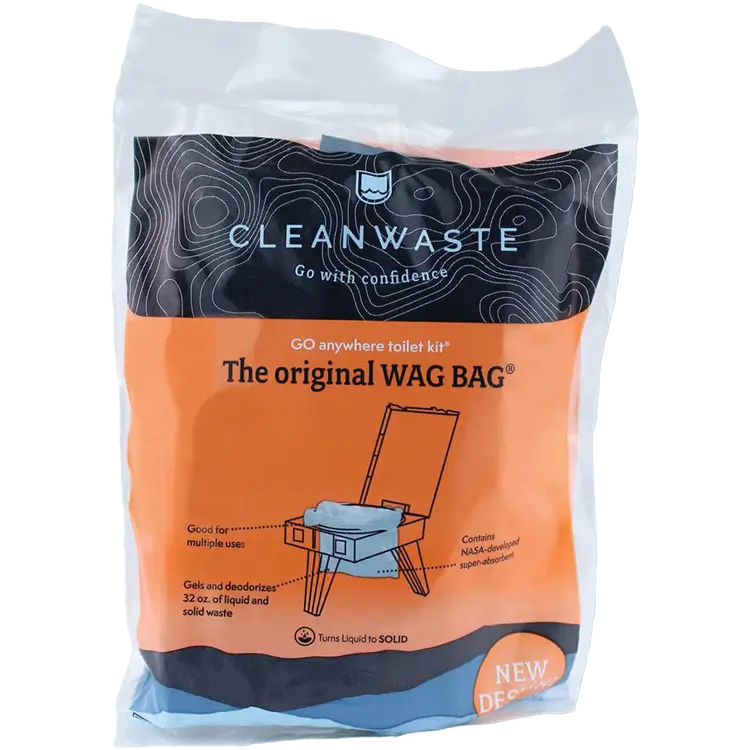
The basic kit is a poop tube – a PVC pipe with a lid, often home-made. Inside is a wag bag (Waste Alleviating Gel) – a bag with absorbent gel that neutralises the contents and stops the smell. Once you've done your business, you tie it off, stuff it into the tube and hang the tube under the portaledge.
Throwing anything off the wall is strictly forbidden – and deeply unethical too. In Yosemite, for example, you'll get fined for it. And maybe a few slaps from the climbers struggling up below you. A poop tube is nothing to be ashamed of. It's a mark of respect – for the place and for other climbers.

Peeing on the wall

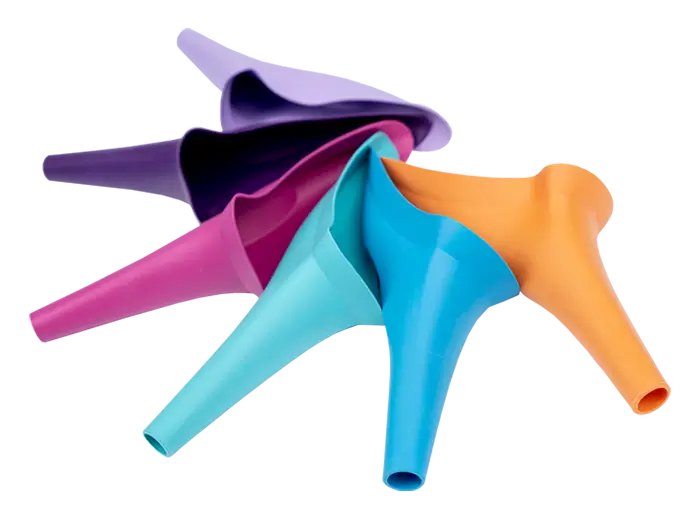
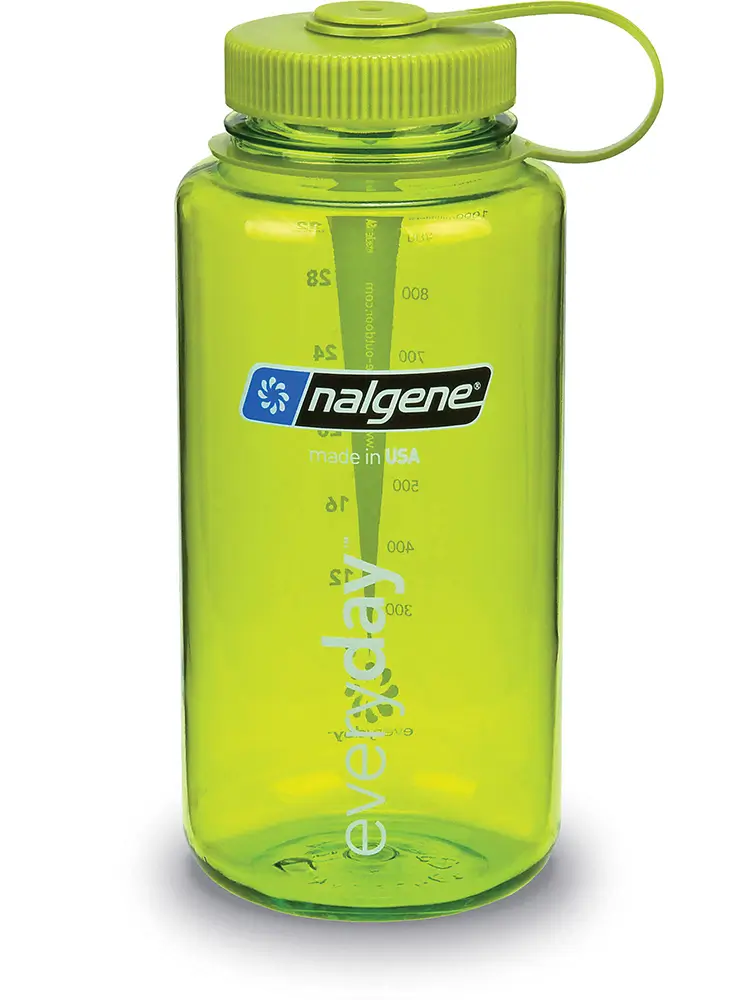
Male climbers mostly use wide-mouth bottles (e.g. Nalgene). Women have their own tricks – funnels (Shewee, Freshette) plus a bottle. The contents are then carefully poured out away from the route – if conditions allow.
Bird's-eye view of a portaledge with climbers, hanging high on a vast rock face.
"On El Cap the question isn't whether you'll crap in a tube. It's whether you'll forget it at the bottom."
a Yosemite Valley old-timer who once held it in for four days

Asolo Eldo GV

Trail, rock, iron rungs, rope bridge. In these approach shoes you'll find more than reliable support. Thanks to the grippy sole with a climbing toe, you'll stand on the tiniest rock edges and survive crisis moments with your backside sticking out over the valley. Just trust them – and step into it.

Cerro Torre. Windy hell and frozen souvenirs

Big wall is one thing. But add ice, wind, frost and zero facilities, and you're in a different league. Patagonia's Cerro Torre, for one, isn't just a vertical challenge – it's a test of everything you can handle, even in your most intimate moments.
Comfort doesn't exist here. Every minute without gloves is a risk. Every extra move eats energy you need elsewhere. And still, every now and then your body calls out: "Hey, you've got to go!"
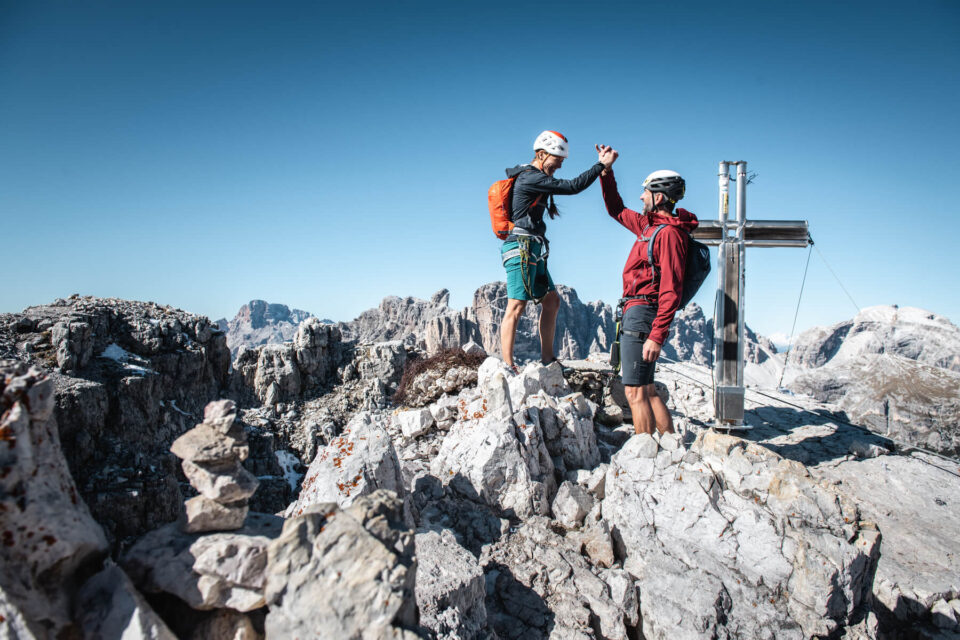
Two figures on a vast snowy ridge with a view of the mountain panorama.
When it hits you
Poop tubes usually aren't hauled up climbs like these – they're too bulky and heavy. A climber takes just a wag bag. You often go right in your harness – ideally while hanging somewhere sheltered from the wind. Not glamorous – but no trace either. The bag then goes back into the pack and gets carried down. Everything freezes – and stays frozen.
Cleanwaste wag bag
Bivouac. A chance of a little comfort
At certain spots on climbs like these (Col de la Esperanza, for example), micro-sites for urgent needs form. But even there, everything gets bagged and carried out afterwards. Leaving a pile on the wall is like plastering your helmet with a sticker saying I'M AN IGNORAMUS.
Wind as the biggest obstacle
When it's blowing 100 km/h, you don't want to drop your trousers. Climbers often wait for the wind to ease off a bit. Or at least look for shelter. Balancing against the gusts while coordinating your body – that's a challenge even for true masters of the craft.
"Cerro Torre gives you nothing for free. Not even peace on the loo."
an anonymous Patagonian climber with a pack full of used bags

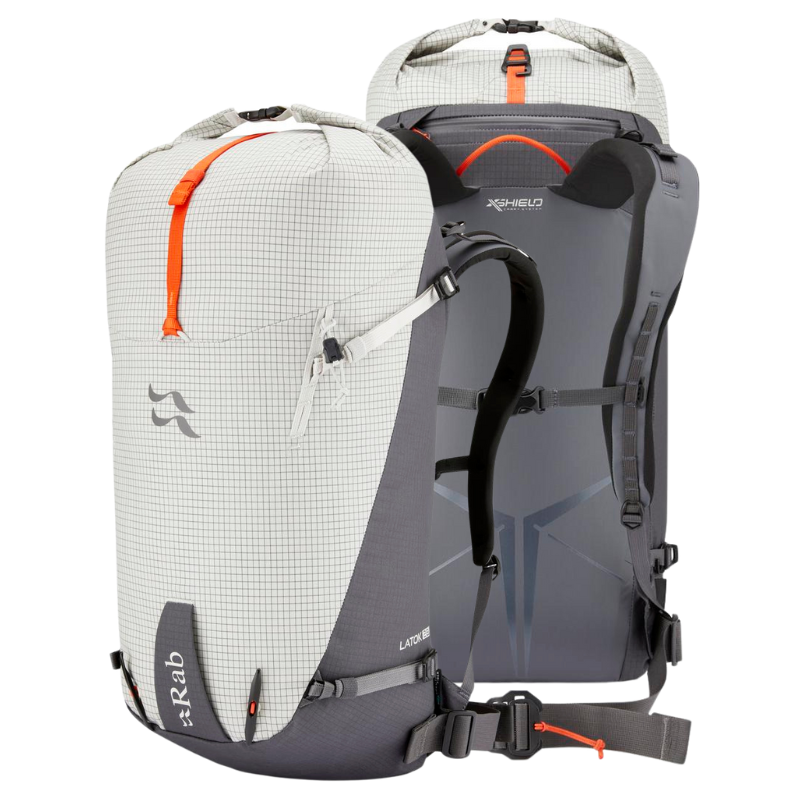
Rab Latok

Neither the sharpest rock nor the toughest winter terrain will leave a scratch on this climbing pack. Spectra® fibres are extra tough – weight for weight they're 15 times stronger than steel. If you don't sh… yourself, this Rab pack won't either.

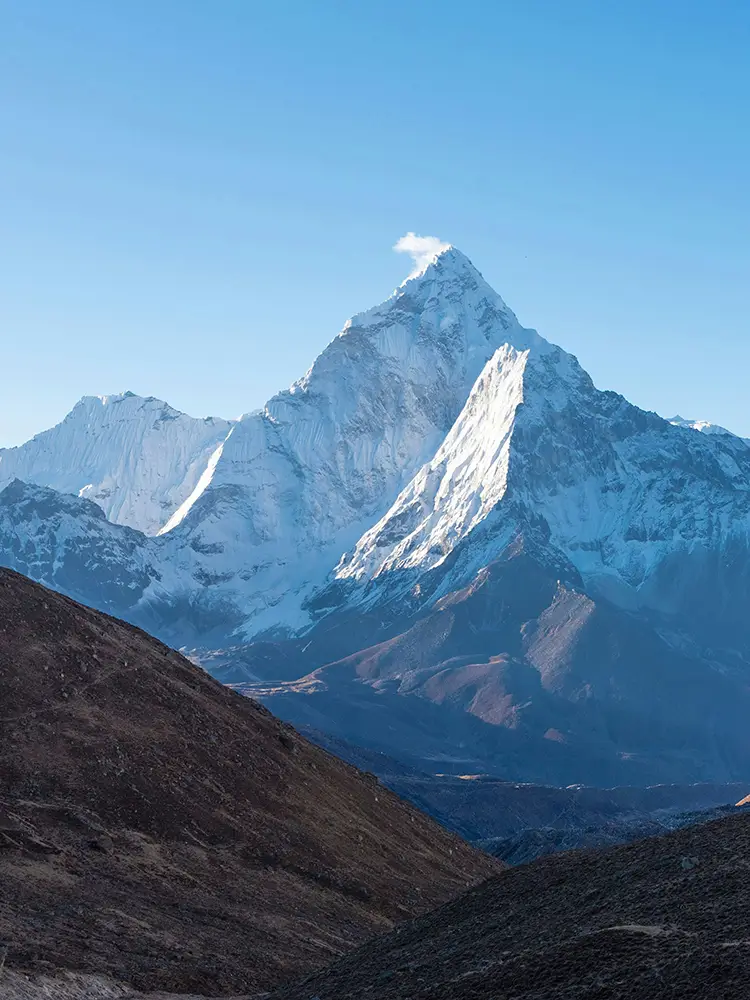
Mount Everest. Where even your smile freezes

On eight-thousanders everything is harder. And not just because of the cold. It's also exhaustion, dehydration, frostbite and often being only half conscious. And still, nature calls – an urge you simply can't escape.
Going outside the tent, though, is often the very last option. So when you've got to go, you squat in a tiny tent, bag in hand, with your partner right next to you. Romance at its finest.
The bottle is your best friend
A pee bottle is basic kit for every high-altitude climber. Men use wide-mouth bottles (again, e.g. Nalgene). Women use a funnel plus a bottle – it works, but it takes a bit of practice. At night you pee right inside the tent, sometimes even curled up in the foetal position in your sleeping bag.
A number two? In the tent as well
That wag bag again – open, use, stash. Sometimes you even push sitting in your sleeping bag, just pulling down your base layers. Often there's no other way – unless you want to be blown off the mountain. The bag gets set aside in your pack – and comes with you in the morning.
When you really have to go out
Sometimes people dig a so-called snow toilet – a hole in the snow just behind the tent. But at minus 30 °C, in a gale and after twelve hours of climbing, nobody really fancies it. And taking off your down trousers in that weather? That's like playing Russian roulette with your own backside.
"I'd rather have a bag of shit in my pack than lose my fingers."
every climber who has ever spent a night above 7,000 metres

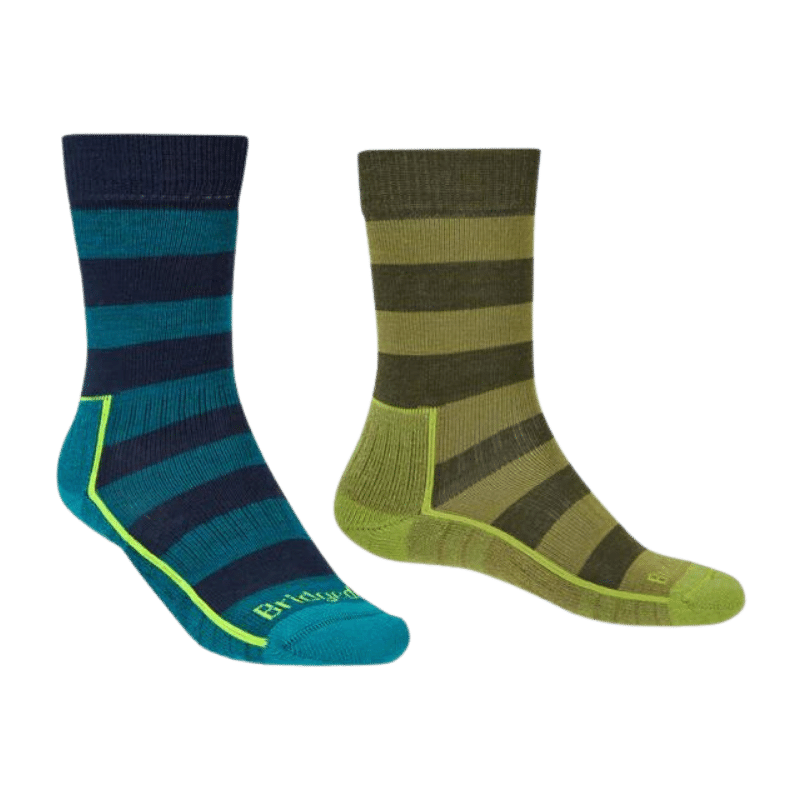
Bridgedale Hike LW

Made from merino wool and quite unlike any other socks in the world. The dense, hard-wearing knit won't wear through in a hurry. So they'll last you for years. Even after a week of wear they don't smell and stay pleasantly soft. Your little guarantee of comfort when everything else is stepping out of the comfort zone.

Gear. What will save your backside?

You can be a hardened mountaineer, a master of improvisation or a chamois with a cast-iron stomach. But if your pack is missing basic toilet kit, it's nothing short of shameful. Your shame. And yet toilet kit takes up almost no space and doesn't cost a fortune either.
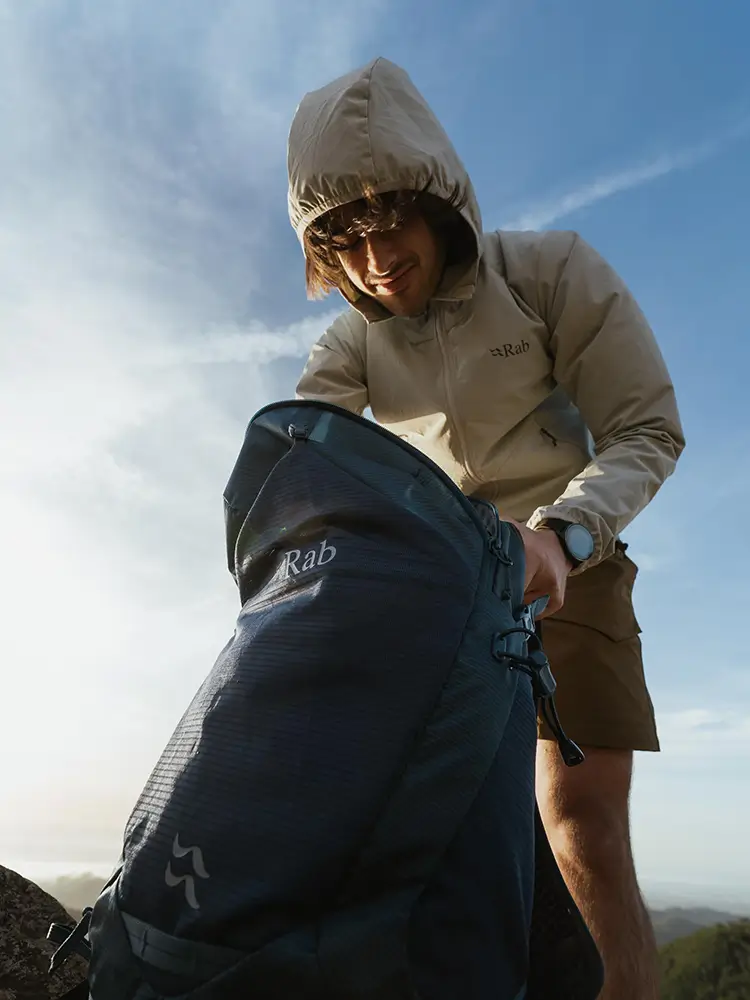
"Man in a beige hooded jacket looking into a dark blue Rab pack against a blue sky.

What to bring and where

Folding trowel
Small, light, metal or plastic. Absolutely standard kit.
Ziplocks
For used paper, wipes and waste. Opaque ones are a bonus.
Sanitiser
Antibacterial gel or soap – ideal for basic hygiene.
Pee bottle
A wide-mouth bottle. For women, combined with a funnel. Looking for the perfect one? Check that it doesn't leak and that you can open it with gloves on.
Wag bag
A bag with absorbent gel – eco-friendly, safe, leak-proof. Used on big walls, in the mountains and on treks.
Poop tube
A tube with a lid for wag bags. A must for big walls and expeditions with no chance of a bivouac.
"A folding trowel and a ziplock? That's all the civilisation you need in your pack."
a wilderness lover with an eye for detail and respect for tissue-free nature

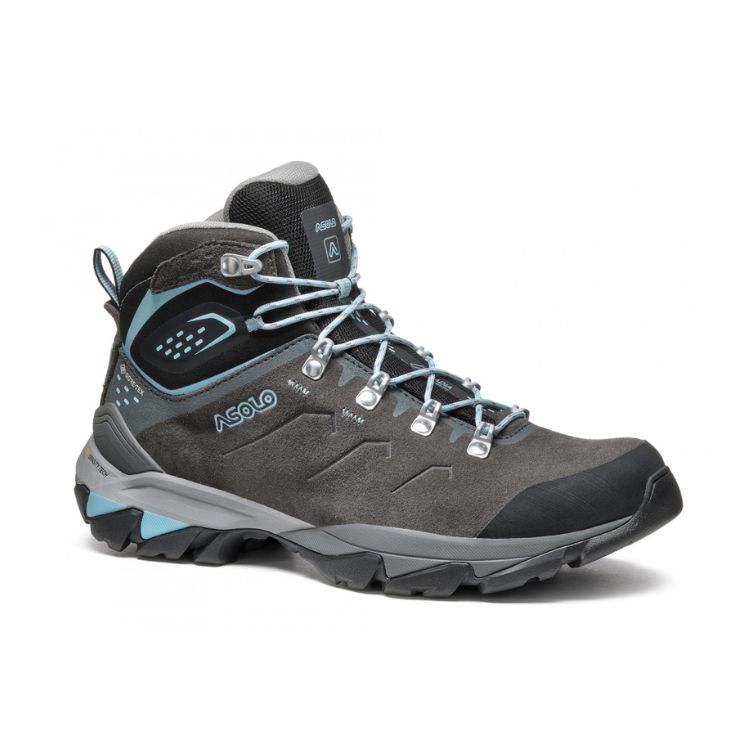
Asolo Acadia

The Italian Zanatta family knows how to make boots you'll feel good in. These even come in a wide fit and a version for bunions. So you can stride through the world without worrying about what gets under your feet. Except perhaps that one thing – because not everyone is as considerate as you yet.

Even a number two can be done with respect

Everybody poos. Some into a bag. The best of us with a smile. If you haven't experienced it outdoors yet, sooner or later you will. And if you have, you know it's no taboo. It's part of the game. And often the best stories to tell when you get back.
So whether you're sleeping in the woods, hanging on a wall or bivvying under an icy serac, remember one thing: Nature isn't your outhouse. It's a place where you're a guest. And it's good to behave like one.
Choose your language
newsletter

Sign up for the newsletter

As you read it, cold air will tickle your face. The mountains are calling…
Horolidi newsletter EN
envelopemagnifiercrossmenuchevron-upchevron-down