A Longer Life for Your Gear

A broken zip, torn fabric, a cracked buckle. Lots of things can be fixed, so there's no need to write them off straight away. Rab and Lowe Alpine make gear with respect for the world around them and for your wallet. Here you'll find everything about materials, care and how to send your kit in for repair.
Rab materials

Trustworthy materials

The most eco-friendly gear is the gear that never has to be made at all. Ideally, then, you buy one decent jacket, pack or sleeping bag and it lasts you years of use. But because Rab and Lowe Alpine have committed to reaching net zero by 2030, they go even further in making durable gear – in 2022, for example, 66% of the fabrics used in their products came from recycled materials.

Fluorocarbon-free

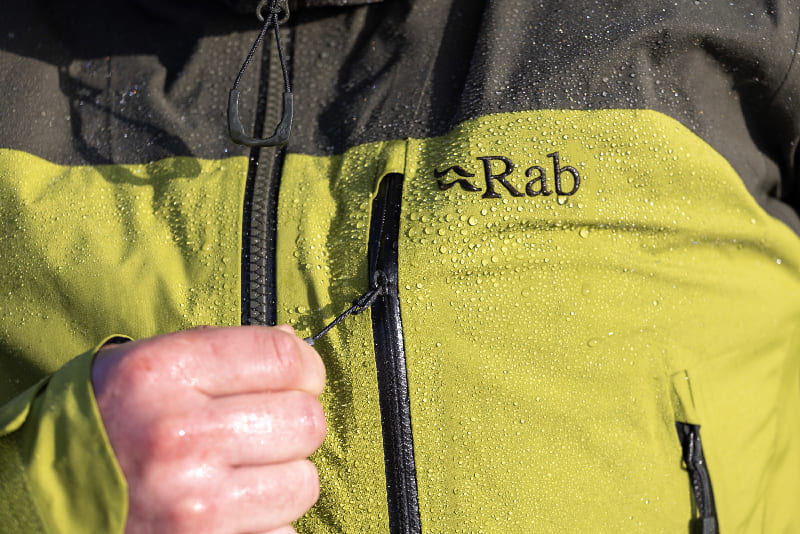
Fluorocarbons are used to waterproof clothing. Unfortunately, they also take an incredibly long time to break down, so they stay in nature and in our bodies, where they're not exactly good for your health. That's why Rab and Lowe Alpine use treatments that contain less harmful, shorter-chain substances instead of fluorocarbons.

Recyclable fabric

Good design also thinks about what happens to a product once it can no longer be used. To keep it out of landfill, Rab makes some of its clothing from Pertex Shield Revolve fabric. It's a material made from just one type of polyester – and that's exactly what makes it easy to recycle.

Cruelty-free down

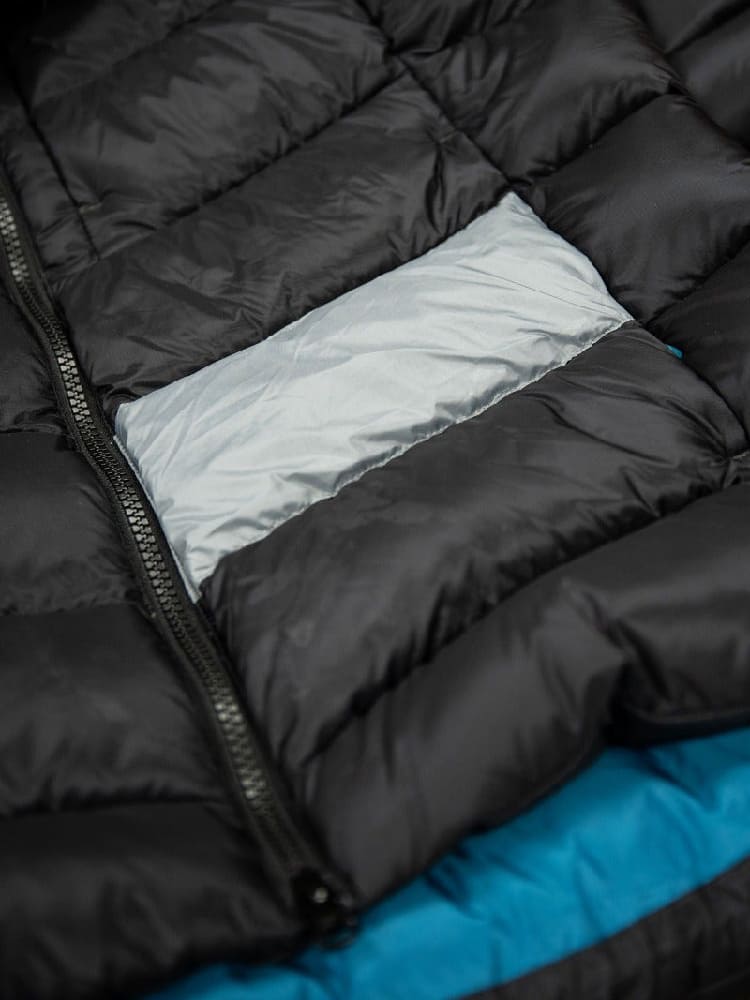
Every tuft of down in Rab sleeping bags and jackets comes from European farms where ducks and geese live in a healthy environment. They don't suffer pain or fear, they aren't force-fed hormones, and plucking feathers from live birds is forbidden. All of this is guaranteed by the Responsible Down Standard certification.

Reborn down

Down from old jackets and sleeping bags (and from duvets and pillows, too) can be recycled. That's why Rab collects old down products and uses the washed, treated and carefully sorted fill to make new ones (currently 46% of the down at Rab is recycled). So if you've got an old down jacket or sleeping bag lying around at home, send it to Rab.
Logo Climate Neutral Company

Honest with ourselves

The textile industry is still a heavy burden on the environment. Despite great progress towards greener production and smarter use of materials, there is still no working system for recycling used clothing on a mass scale, for example. Rab and Lowe Alpine are actively working on this too. But we're not there yet.
Man carrying two packs on his back

Take good care of it

Every piece of gear reaches the end of its life one day. But with the right care you can extend that life, keep it working and keep it comfortable for a long time. Here's how.

Washing waterproof clothing

The water-repellent finish on waterproof clothing wears off with use. The outer fabric then starts soaking up moisture, which reduces its breathability. Sweat, dirt and even cosmetic residue do the same. So if your clothing is visibly dirty, wash it.
How to wash waterproof clothing
  • Clean the detergent drawer and run one or two rinse cycles. This removes detergent residue that could damage the garment.
  • Make sure the pockets are empty. Do up all the zips (regular and dry zips) and close the pockets.
  • You can use a liquid laundry gel, pure liquid soap or a special cleaner for membrane fabrics.
  • If you want to reproof the garment at the same time (we recommend it), pour a reproofing product into the fabric softener compartment.
  • Set the machine to a gentle cycle at 30 ºC.
  • After spinning at a low speed (400), hang the garment on a line out of direct sunlight to dry naturally.
  • To activate the proofing, put the garment in a tumble dryer on low heat for 20–30 minutes (but only if the label allows it). Alternatively, use an iron to activate it – iron the jacket on a medium setting, using a clean tea towel or something similar as a barrier between the iron and the jacket.
Putting a waterproof jacket into an envelope
Folding a down jacket

Washing a down jacket

It's a good idea to wash your down jacket at least once a season. But if it's very dirty or the down fill seems clumpy or flat, you can wash it more often. Ideally, have it cleaned by professionals, or follow the instructions below.
How to wash a down jacket
  • Clean the detergent drawer and run one or two rinse cycles. This removes detergent residue that could damage the jacket.
  • Close all the pockets, do up the zips and turn the jacket inside out. This protects the seams from damage.
  • Wash the jacket on its own. There shouldn't be anything else in the machine.
  • Use a non-biological detergent made specifically for down.
  • Set the machine to a long gentle cycle. This makes sure the down gets properly clean. Choose the temperature according to the label.
  • Add an extra rinse cycle to wash out any remaining detergent.
  • Spin the jacket in the machine at the highest possible speed. It speeds up drying.
  • Dry the jacket in a tumble dryer on low to medium heat. Expect it to take 2–4 hours, depending on its size and fill.
  • Several times during the drying cycle, take the jacket out of the dryer and pat the down in the baffles or spread it by hand throughout each baffle.

Handy tips

  • If you have a top-loading washing machine, put the jacket in a mesh bag to protect it from damage.
  • If you don't have a tumble dryer, you can dry the jacket on a washing line or clothes horse, but keep it out of direct sunlight, which can damage the down.
  • To keep your down jacket serving you well for as long as possible, store it in a clean, dry place.

Washing a sleeping bag

Sweat, moisture, dirt – they all mean that neither down nor synthetic sleeping bag fill insulates as well as it should and could. That's why it's good to wash your sleeping bag from time to time. It's best left to professionals, but with care you can manage it at home too.
How to wash a sleeping bag
  • Clean the detergent drawer and run one or two rinse cycles. This removes detergent residue that could damage the sleeping bag.
  • Do up the zip and turn the sleeping bag inside out. This protects the outer fabric and helps the fill wash better.
  • Use a non-biological detergent made specifically for down. For a sleeping bag with synthetic fill, you can also use a regular liquid detergent. Either way, never use fabric softener.
  • Set the machine to a long gentle cycle at 30 ºC. This makes sure the fill gets properly clean.
  • Add an extra rinse cycle to wash out any remaining detergent.
  • Spin the sleeping bag in the machine at the highest possible speed. It speeds up drying.
  • Dry the sleeping bag in a tumble dryer on low heat for 2–4 hours. Avoid high temperatures, which could damage it.
  • Several times during the drying cycle, take the sleeping bag out of the dryer and pat the down in the baffles or spread it by hand throughout each baffle.

Handy tips

  • If you don't have a tumble dryer, you can dry the sleeping bag on a washing line or clothes horse, but keep it out of direct sunlight, which can damage the down.
  • To keep your sleeping bag serving you well for as long as possible, store it in a clean, dry place.
  • Never store a down sleeping bag squashed in a compression sack. Ideally, keep it loose in the large storage bag that usually comes with it.
Checking a sleeping bag
Female hiker with a pack in the mountains

Backpack care

Even when your pack no longer looks anywhere near new and every trip has left a scratch or two on it, it can still serve you well. After all – a backpack doesn't really need any special maintenance. If anything, too much care can damage it.
How (not) to look after your pack
  • If dirt on the outside of your pack bothers you, wipe it off with just a cloth or sponge and soapy water.
  • If your pack fits in the washing machine, you can wash it. But at 30 °C max and without fabric softener.
  • Don't take the internal frame sheet and frame out of the pack. It's quite tricky to put everything back together properly. So machine washing really only works for small packs.
  • Don't put the pack in a tumble dryer or dry it next to a direct heat source such as a stove, fireplace or radiator. High temperatures will damage it. Just hang it up and let it dry at room temperature.
  • When you're not using your pack, store it somewhere dry and out of direct sunlight, which speeds up the ageing and degradation of fabrics and rubber and plastic parts.
  • Don't dry-clean your pack or use solvents.
Rab wash logo

Professional cleaning

The people who made your gear also know best how to look after it. Send yours to Rab, where they'll wash it, dry it, reproof it and extend its life. You can place your order directly on Rab's official website, then just drop the parcel off at a DPD collection point. Return postage costs €12 and cleaning takes 2–3 weeks.
Order cleaning

Repair and carry on

Maybe you feel the same. Maybe you can't bear to swap a pack, jacket or sleeping bag that's been through so much with you for a new one – just because of a few scars that can be fixed. The Rab and Lowe Alpine service centre can sort out almost anything – from little things like cracked buckles or small patches to complete replacement of zips or entire sections of a garment.
View from a Rab sleeping bag out of the tent

How to send your gear in for repair

The Rab and Lowe Alpine service centre is located right at the company's headquarters in Sheffield, UK. But courier companies these days are quick and easy to use, even when sending parcels abroad. So all you need to do is drop your gear off at a DPD collection point.
Order a repair
  1. Click through to the service centre section of Rab's official EU website and choose the repair you need. Rab will send you a parcel label and a service card to fill in with details of the damage. You pay in advance by card. Return postage costs €12.
  2. Stick the label clearly on the parcel and don't forget to put the completed service card inside, so the service centre can identify your order and knows where to send your repaired gear. Then take the parcel to any DPD collection point.
  3. Once your gear has been repaired, it will come back to the address on your service card.

How to send your gear in for repair

The Rab and Lowe Alpine service centre is located right at the company's headquarters in Sheffield, UK. But courier companies these days are quick and easy to use, even when sending parcels abroad. So all you need to do is drop your gear off at a DPD collection point.
  1. Click through to the service centre section of Rab's official EU website and choose the repair you need. Rab will send you a parcel label and a service card to fill in with details of the damage. You pay in advance by card. Return postage costs €12.
  2. Stick the label clearly on the parcel and don't forget to put the completed service card inside, so the service centre can identify your order and knows where to send your repaired gear. Then take the parcel to any DPD collection point.
  3. Once your gear has been repaired, it will come back to the address on your service card.
Close-up of a sleeping bag repair

How to send your gear in for repair

The Rab and Lowe Alpine service centre is located right at the company's headquarters in Sheffield, UK. But courier companies these days are quick and easy to use, even when sending parcels abroad. So all you need to do is drop your gear off at a DPD collection point.
  1. Click through to the service centre section of Rab's official EU website and choose the repair you need. Rab will send you a parcel label and a service card to fill in with details of the damage. You pay in advance by card. Return postage costs €12.
  2. Stick the label clearly on the parcel and don't forget to put the completed service card inside, so the service centre can identify your order and knows where to send your repaired gear. Then take the parcel to any DPD collection point.
  3. Once your gear has been repaired, it will come back to the address on your service card.
Order a repair
Close-up of a down jacket

Repair without waste

Second Stitch is a type of repair that uses fabric, trim or a zip from a product that has reached the end of its life instead of an original part. Because the material will probably be a different colour, the repair may stay visible – but you'll be cutting waste. And you might even enjoy the fact that your piece of gear becomes a true one-off.
Second Stitch repair

Spare parts

Some things you can fix yourself. A cracked buckle, a lost chest strap or a broken tent pole – no problem. You'll find plenty in the spare parts range on the Rab and Lowe Alpine websites. Including patches for repairing clothing. Or you can stock up on spare parts before you head off for weeks far from civilisation.
Spare parts range
Close-up of patching a hole in a down jacketSpare pack buckles in a box
Close-up of a sleeping bag repairClose-up of a down jacket repair

Lifetime guarantee

The two-year warranty period is a given. If you discover a manufacturing defect in your Rab or Lowe Alpine gear during that time, we'll sort it out by repairing it or replacing it with a new product. But our commitment to your gear doesn't end there – even after the two years are up, if it's a manufacturing defect, we'll repair it free of charge.

Better to repair than throw away

When Rab Carrington sewed his first sleeping bag in the attic of his house in 1981, above all he wanted it to serve well and for a long time in the mountains. And Rab gear is still like that today – reliability wins over gimmicky tech.
Rab gear
Bratři Lowe

Packs loaded with adventure

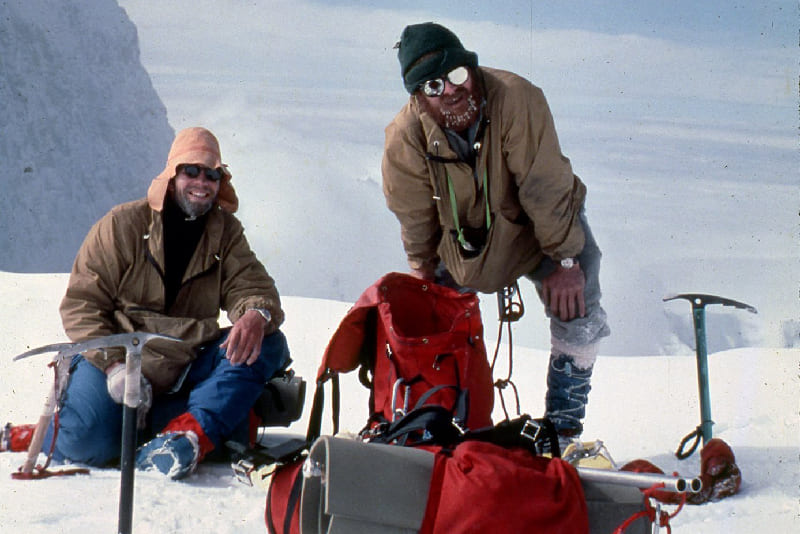
Jeff Lowe climbed things in the mountains that others thought impossible. And his brother Greg always made him the right gear for it. Including the first internal-frame backpack, which became the model for every pack today.
Lowe Alpine packs
Choose your language
newsletter

Sign up for the newsletter

As you read it, cold air will tickle your face. The mountains are calling…
Horolidi newsletter EN
envelopemagnifiercrossmenuchevron-upchevron-down