Packed for winter

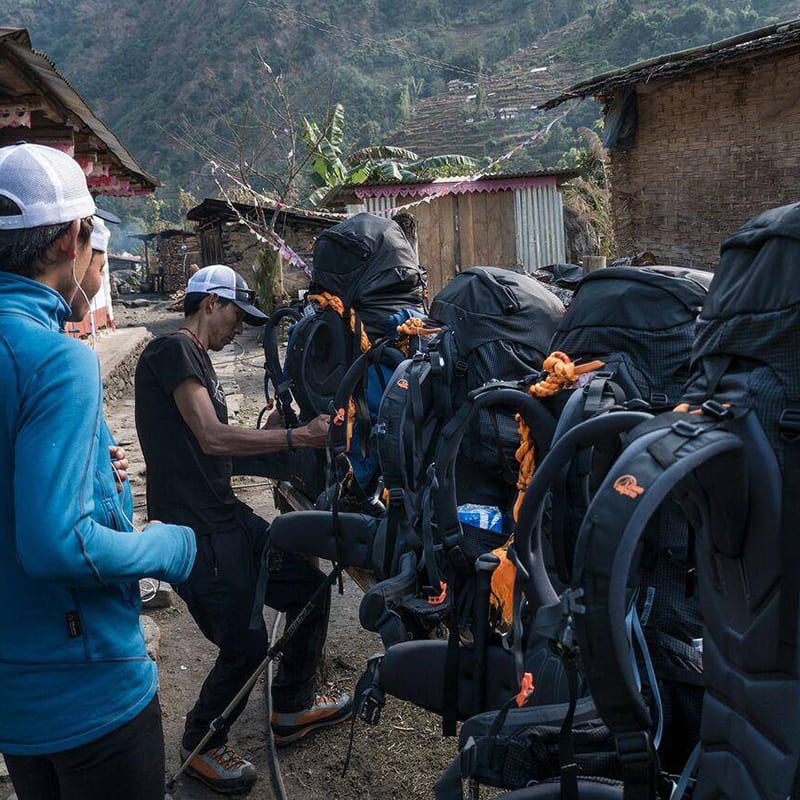
Winter mountains will always surprise you somehow. But they mustn't catch you off guard. And the very best approach is to prevent problems in the first place. Here you'll find out what to pack so you can do just that – whether you're climbing, ski touring or simply out on a winter hike.

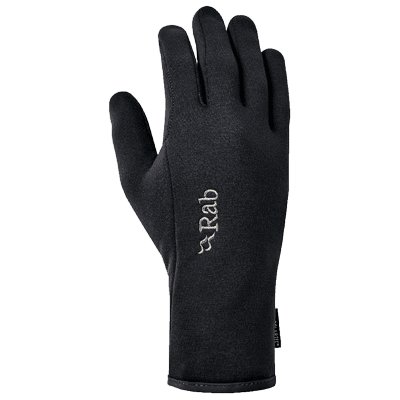
Essential: two pairs of spare gloves

Not one. Really, two. Especially if you're planning to be out all day.
If you sweat through one pair or they get damp, you put on the second – spare – pair. But what if things happen that you didn't plan for: an avalanche, an injury, getting lost, a lost ski, skins that won't stick, broken snowshoes. You simply need to keep your hands dry and warm.

Thin, reliable gloves as your main pair

Rab Velocity Guide Glove >

A second thin pair as backup

Rab Power StretchRab Power Stretch Pro Glove >

Warm, waterproof gloves – mitts or fingered

Rab Cresta GTX Glove >
Tomáš Petřeček
"I've been through a great deal, and not all of it was exactly pleasant. That's why I never forget to pack a light down jacket. And not just in winter, but also for spring or autumn climbing in the mountains. And I always have spare gloves in my pack – mitts. Either plain Gore-Tex overmitts or really warm ones."
Tomáš Petřeček

Thin, reliable gloves as your main pair

Rab Velocity Guide Glove >

A second thin pair as backup

Rab Power StretchRab Power Stretch Pro Glove >

Warm, waterproof gloves – mitts or fingered

Rab Cresta GTX Glove >
Tomáš Petřeček
"I've been through a great deal, and not all of it was exactly pleasant. That's why I never forget to pack a light down jacket. Not just in winter, but also for spring or autumn climbing in the mountains. And I always have spare gloves in my pack – mitts. Either plain Gore-Tex overmitts or really warm ones."
Tomáš Petřeček

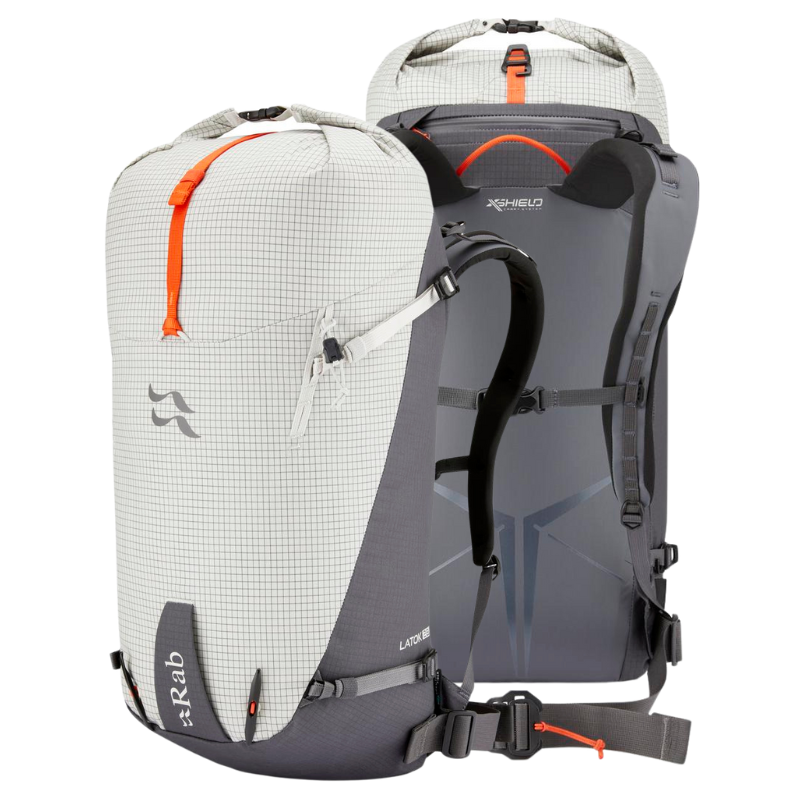
How to choose a pack for winter climbing

Simplicity is the key quality of a good climbing pack. Nothing can go wrong on the wall – any pocket, buckle or extra frill can only cause trouble.
A climbing pack should have:
  • A shaped back panel that hugs your body.
  • Tough fabric that won't get damaged on the wall.
  • Loops for two technical ice axes.
  • A way to carry a rope on the outside.
  • A removable hip belt.

Gear for preventing problems

It may be gorgeous and everything may run like clockwork. But what if it doesn't? The mountains don't play by your expectations. So being prepared is never a waste.
  • Power bank. In case the cold drains your phone (with the Záchranka emergency app) sooner than you expect.
  • Sunglasses and sunscreen. Because rays reflected off the snow are powerful and can give you conjunctivitis or burn your nostrils – from the inside. Really.
  • Knife and tools for fixing bindings. A loose screw is a trifle – if you have something to tighten it with. But it's real trouble when you're miles from anywhere without tools.
Katka Mandulová
"What do I never forget to pack? First, slivovitz – because I'm a girl from Moravian Wallachia and it's nice to clink glasses with friends on the summit to toast the trip. Second, a pulley, which weighs nothing and can come in very handy when someone falls into a crevasse. And third, a whistle, so I can play tunes to the clouds when I know nobody's listening."
Katka Mandulová
Dry bag
In winter, there's moisture all around you. And few packs can withstand that onslaught for long. So pack the things you want to keep truly dry in dry bags. Or use ordinary plastic bags.

How to choose a pack for freeriding and ski touring

A back panel that opens for access to the main compartment is the foundation of a proper ski touring pack. You'll find anything quickly, without turning half the pack upside down – even with your skis strapped to the sides.
A ski touring pack should have:
  • A pocket for avalanche gear.
  • Zips you can work with gloves on.
  • Straps for carrying skis.
  • A loop for a walking ice axe.
  • A removable helmet net.

Gear for handling emergencies

Even with perfect preparation, some problem may catch up with you in the end. Whether it'll be small or big depends on what you're carrying in your pack. And in your head – on your experience.
Duct tape
A broken pole, skins that won't stick, a broken binding, a torn jacket, a snapped arm on your glasses, the beginnings of blisters, bruised shins. The miracle tape – duct tape – patches up most problems.
  • Head torch. You get held up and darkness falls. It happens. But with a charged head torch your chances of getting home safely are much higher than without one.
  • Bivvy bag. You might miss your target and have to spend an emergency night on the snow. But you'll also use a bivvy bag if a friend has an accident – wrap them in it so they're not lying on the snow and getting chilled.
  • Avalanche gear. In an avalanche, your buried friend has the best chance of survival in the first 18 minutes. But without a transceiver, probe and shovel, their chances are slim.
Ríša Štěpánek
"I always carry long, strong spare bootlaces and sticky tape. They're great helpers for repairing just about anything. I also carry navigation in my pack, because fog can make finding your way really unpleasant. And one thing I don't do – despite my missing left hand, I don't adapt my clothing. Mainly so I can lend a hand to anyone who might need it."
Ríša Štěpánek

How to choose a pack for winter hiking

Important things close to hand – but not too many pockets and loops, which only collect snow and trouble. A winter hiking pack, too, should above all be simple and tough.
A winter hiking pack should have:
  • A close-fitting back panel that snow doesn't stick to.
  • Zips and buckles you can work with gloves on.
  • Loops for attaching ice axes and gear on the outside.
  • Side access to the main compartment.
  • Side compression straps.

Packing list

For one winter day

A 25–35 litre pack

For example the Rab Khroma 30
Essential
Recommended
  • Avalanche gear (probe and shovel in the pack, transceiver on your body)
  • Spare T-shirt
  • Down jacket
  • Waterproof jacket
  • Two pairs of spare gloves (thin and thick)
  • Spare hat, neck gaiter
  • Sunscreen (at least SPF 30 for high mountains)
  • Lip balm
  • Sunglasses
  • Ski goggles
  • Flask of tea (at least 1 litre)
  • Magnesium tablets against cramps
  • Well-stocked first-aid kit (including a foil blanket)
  • Blister plasters
  • Painkillers
  • ID, cash and cards in a plastic bag
  • Charged phone with emergency numbers saved
  • Duct tape
  • Knife and tools for fixing bindings
  • Head torch
  • Ski wax
  • Wax or proofing for climbing skins
  • Spare baskets for ski / trekking poles
  • Crampons and an ice axe for trips outside the Czech mountains
  • One more energy bar than you think you'll need
  • GPS or the Mapy.cz app
  • A good old paper map
  • Power bank
  • Toilet paper, paper tissues

For several winter days

A 35–50 litre pack

For example the Ascendor 45:50
Essential
Recommended
  • Avalanche gear (probe and shovel in the pack, transceiver on your body)
  • Walking crampons and an ice axe, or ski crampons
  • Spare T-shirt
  • Down jacket
  • Waterproof jacket
  • Two pairs of spare gloves (thin and thick)
  • Spare base layers
  • Change of socks
  • Spare hat, neck gaiter
  • Sunscreen (at least SPF 30 for high mountains)
  • Lip balm
  • Sunglasses
  • Ski goggles
  • Flask of tea (at least 1 litre)
  • Magnesium tablets against cramps
  • Well-stocked first-aid kit (including a foil blanket)
  • Blister plasters
  • Painkillers
  • ID, cash and cards in a plastic bag
  • Charged phone with emergency numbers saved
  • Duct tape
  • Knife and tools for fixing bindings
  • Bivvy bag
  • Head torch
  • Sleeping bag for the mountain hut
  • Earplugs
  • Toiletries and a small towel
  • Cream for dry hands
  • Ski wax
  • Wax or proofing for climbing skins
  • Spare baskets for ski / trekking poles
  • Food for one day longer than you expect the trip to last
  • Crampons and an ice axe for trips outside the Czech mountains
  • Crampons and an ice axe for trips outside the Czech mountains
  • One more energy bar than you think you'll need
  • GPS or the Mapy.cz app
  • A good old paper map
  • Power bank
  • Dry bag for your gear
  • Down slippers for the hut (e.g. Rab Hut Slipper)
  • Toilet paper, paper tissues
Note: Pack the items in bold in addition to your day-hike kit.

To make your pack serve you well

First you need to choose your pack well – so it suits the activity you want to use it for. And then you also need to know how the different parts of the pack work – and how they can make life out there easier.
All about pack design
Checking packs before an expedition
Choose your language
newsletter

Sign up for the newsletter

As you read it, cold air will tickle your face. The mountains are calling…
Horolidi newsletter EN
envelopemagnifiercrossmenuchevron-upchevron-down