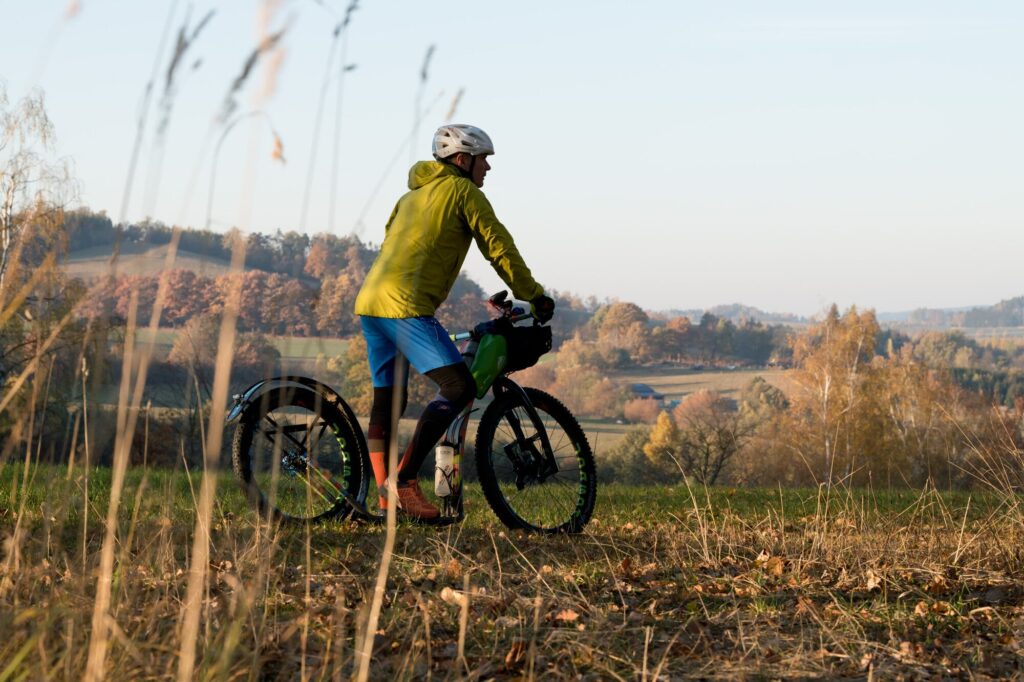
Let's be honest. Our travelling isn't a pretty business at all. Not for local communities, not for the environment, not for the planet in general. That became especially obvious once the news got out that Ryanair had become the 9th biggest air polluter in Europe. Ryanair's management objected, though, saying that they are in fact the greenest and cleanest airline in Europe, with the lowest CO2 emissions per kilometre flown.
Which may well be true. But that's not the heart of the matter. We travel too much.
Travel is cheap. It's never been cheaper. Convenient. You can buy a plane ticket in a few clicks. And tempting. In the age of social media, it looks as if everyone with an Instagram profile is travelling.
So we all travel. Me, you, them. An incredible 200,000 aircraft a day rush through the skies. Airbuses, Boeings, Tupolevs. In a single year, airlines carry over 4.5 billion passengers worldwide. And in 2017 aviation produced 859 million tonnes of CO2. That's a lot. Today it's almost 3% of greenhouse gas emissions – and we're flying more and more.
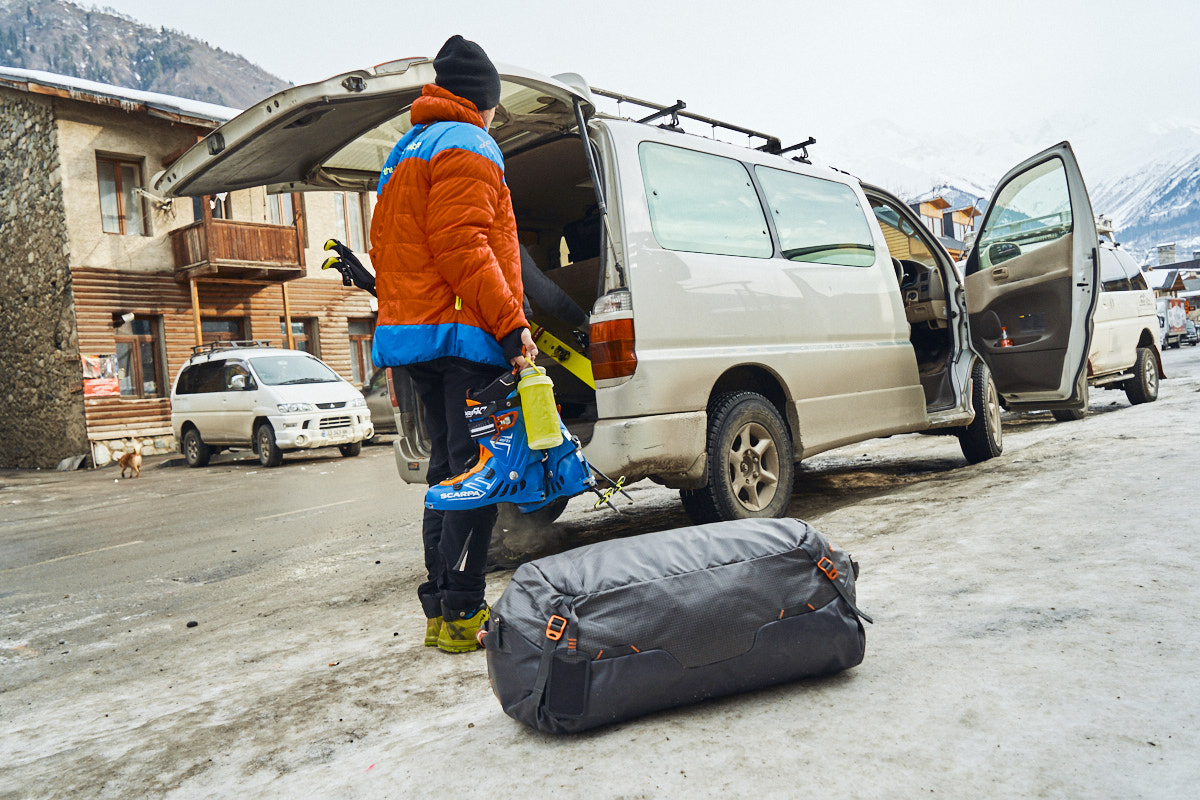
Probably not. I certainly don't want to sit at home. I love travelling. And chances are you feel the same. The question is, what are we going to do about it? We can forget about it entirely, not worry, and keep travelling knowing that we're helping to pollute the planet. Which we'll do anyway, as long as the world keeps pulling us. Unless we set off for the Dolomites on foot. Or we can give up a bit of comfort and travel at least a little differently. Responsibly. That's what I want to talk about. Or rather, write about.
You can manage without planes. You can manage without anything. You can take a train, a boat, a bus, and in a month you'll be in Peru. If all goes well. Still, that's hardly efficient, or even realistic. Even so, there are ways to cut down on our flying.
Domestic flights, for example. In South-East Asia they're unbelievably cheap, fast and comfortable. Certainly far more comfortable than 12 hours on wooden benches in a train, in 35° heat, with one working fan out of four. On the other hand – are you going to the other side of the world just so you can one day remember that the low-cost airline Nok Air hands passengers a small bottle of water? Or would you rather have it etched into your memory (and your back) – those unbelievably hard seats and the pushy hawkers who storm the train at every station it stops at?
There's no rush. You won't find the best experiences at your destination. You're far more likely to find them on the way there.
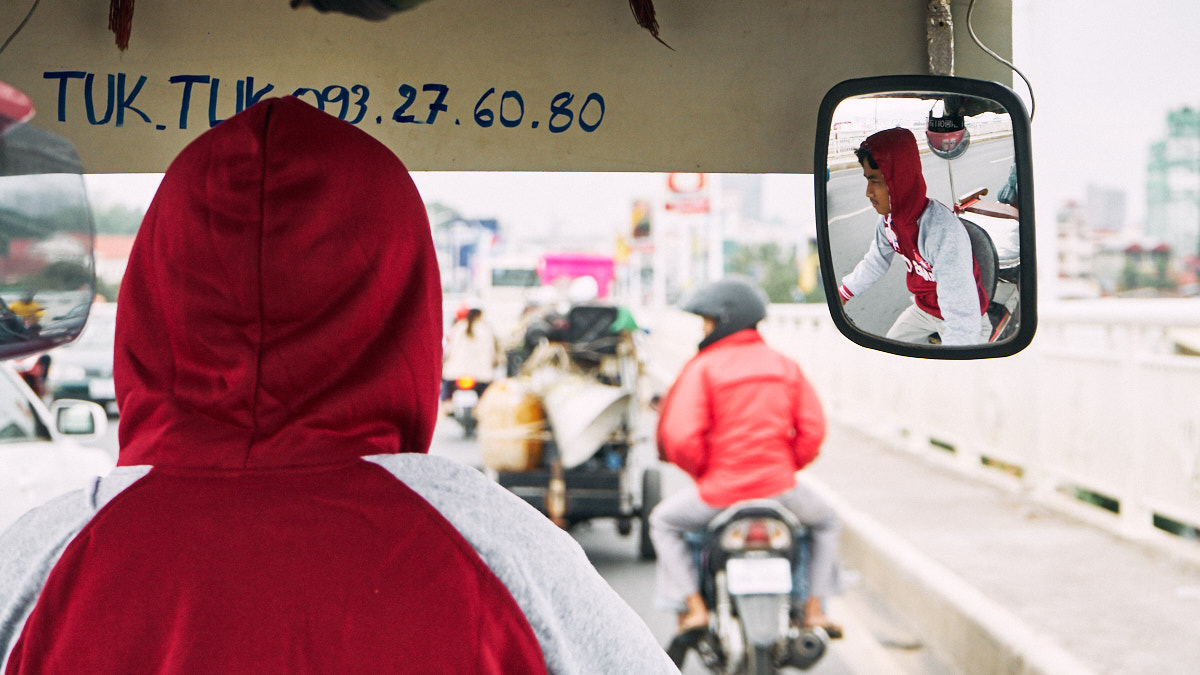
There's a classic piece of advice: Open your Lonely Planet guide, look at the 10 places you absolutely must see, and definitely don't go there. Unless crowds and the click of Japanese camera shutters are your thing, that is. What am I getting at? That it's much better for the planet – and for you, too – to stay in one place for longer.
When we travelled around South-East Asia, we didn't see anything like all of Thailand, Vietnam and Cambodia. We spent about a month in each country and lived in one place for a week to ten days. I say "lived" on purpose. Because the moment you settle somewhere for longer, you start dealing with everyday chores and getting to know the real lives of local people. Then the weekend comes and they invite you to breakfast with their whole family. Or you get to places ordinary tourists never reach, because they're rushing off to the next destination.

And besides all that, slow travel has another effect: you're not boarding a plane every third day, or a train or minibus, producing more and more emissions. Sure, it's a drop in the ocean. But drop by drop... and you've got a whole ocean.
I sold my car. And I've already made it by public transport all the way to a friend's place in Hallein near Salzburg. Three buses from the Jeseníky Mountains to Vienna. A train to Salzburg. And another little train to my destination. 9 hours. By car it takes 6. On the way I got a load of work done, read a chunk of a book, had a nap and just stared out of the window, letting my head breathe. You can't do any of that in a car. But yes, you're right. In a car you can take loads of stuff with you. Which you might not use – but just in case. You're not tied to departure times. And you don't have to spend time with strangers.
On the other hand...
... on a train, and on most buses, you can go to the loo whenever you like too.
... the steward brings coffee and food right to your seat.
... you don't stress about traffic jams or what the idiot in front of you is up to.
On public transport you can also try stepping out of your protective shell made of your own car, your iPhone and your headphones, and talk to other people. Actually talk. Not text them. And you might meet interesting people you'll have plenty to talk about with. The journey flies by and you're left with a nice warm feeling. Personally, I find it a huge challenge to strike up a conversation with strangers. But in the end it's great. Especially nowadays, when "find contact" means an icon in the bottom-left corner of your phone screen.
So travelling within Czechia and to neighbouring countries is easily done by public transport. Sure, you might give up a bit of comfort. But you'll gain other benefits. And the planet will thank you.

Get yourself one of Elon Musk's electric cars and drive to the Dolomites or the foot of the Matterhorn the green way. What do you say? Of course, it's a pipe dream. What's more, there's nothing green about electric cars in their current form – given how much electricity still comes from burning coal in power stations. And you could argue about how energy-hungry battery production is, too.
For car journeys around Europe, we'll struggle to find a sensible alternative that's kinder to the planet. Of course, you can share the car with more people. Offer lifts. Go easier on the accelerator and, instead of a frantic 180 km/h, cruise along the German autobahn at a leisurely 120. Swap the SUV that guzzles even the grass by the roadside for something smaller and more economical.
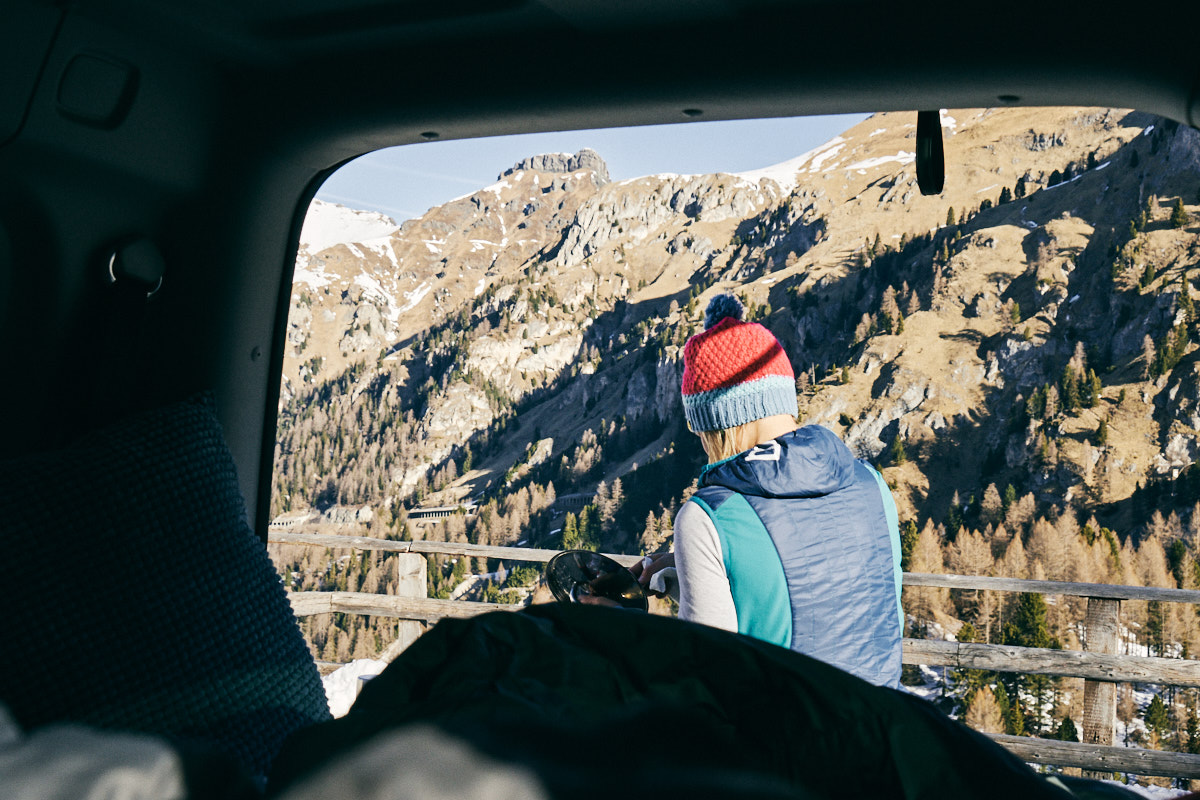
Or you don't need a car at all. There are car-sharing services such as Autonapůl, where you borrow a car only when you really need one. And the rest of the time someone else drives it. Which is green too, because making cars isn't free (for the planet, I mean).
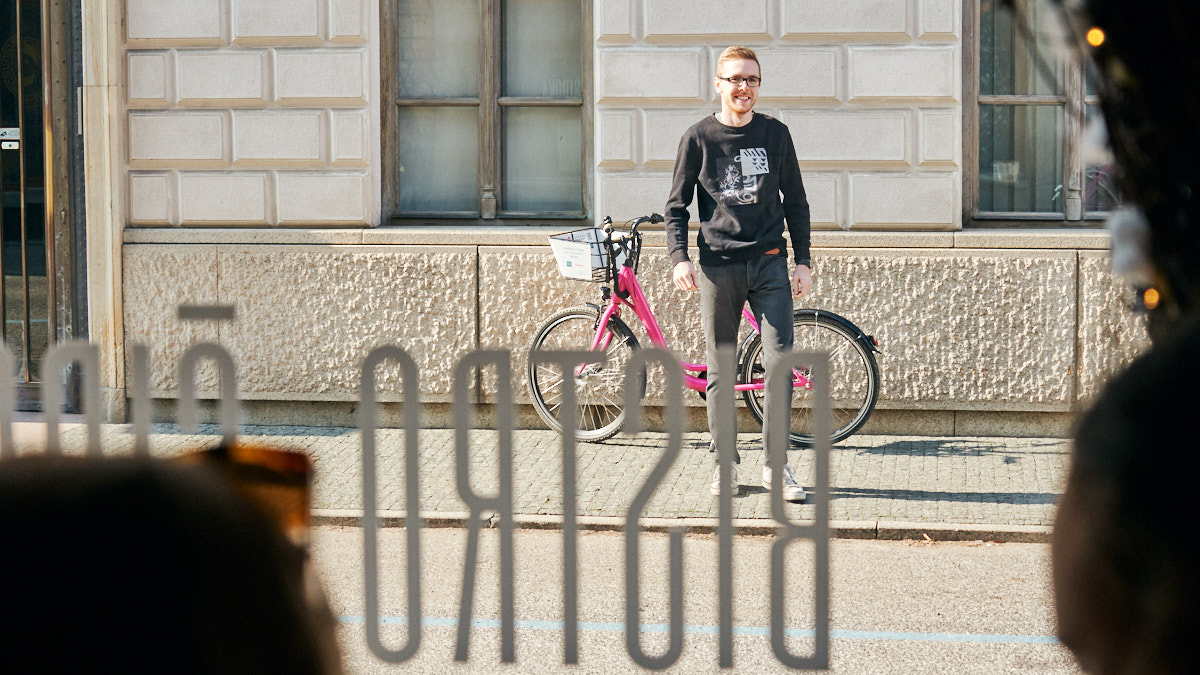
Like going to the crag at the weekend. To the climbing wall during the week. Taking a parcel to the post office or popping to the shop. You can do that by bike, can't you? On your own, or in town on a shared Rekola bike. You're athletes, after all. True, there's no time. That's become one of the bad habits of our age – never having enough time. But what's the hurry? You'll never catch up anyway.
It's exactly this rush, the stress and the ever faster pace of everything – travel and mountain climbing included – that has become one of the main causes of pollution on the planet. Perhaps we should start thinking about where we're always rushing to and what we gain by it. And whether we actually lose more.
But that's for next time. We haven't covered nearly everything today.
Postscript: None of us is perfect. Not me, not you. And we never will be. But every small change we make to our lifestyle helps towards a better, cleaner planet. Do what you can.