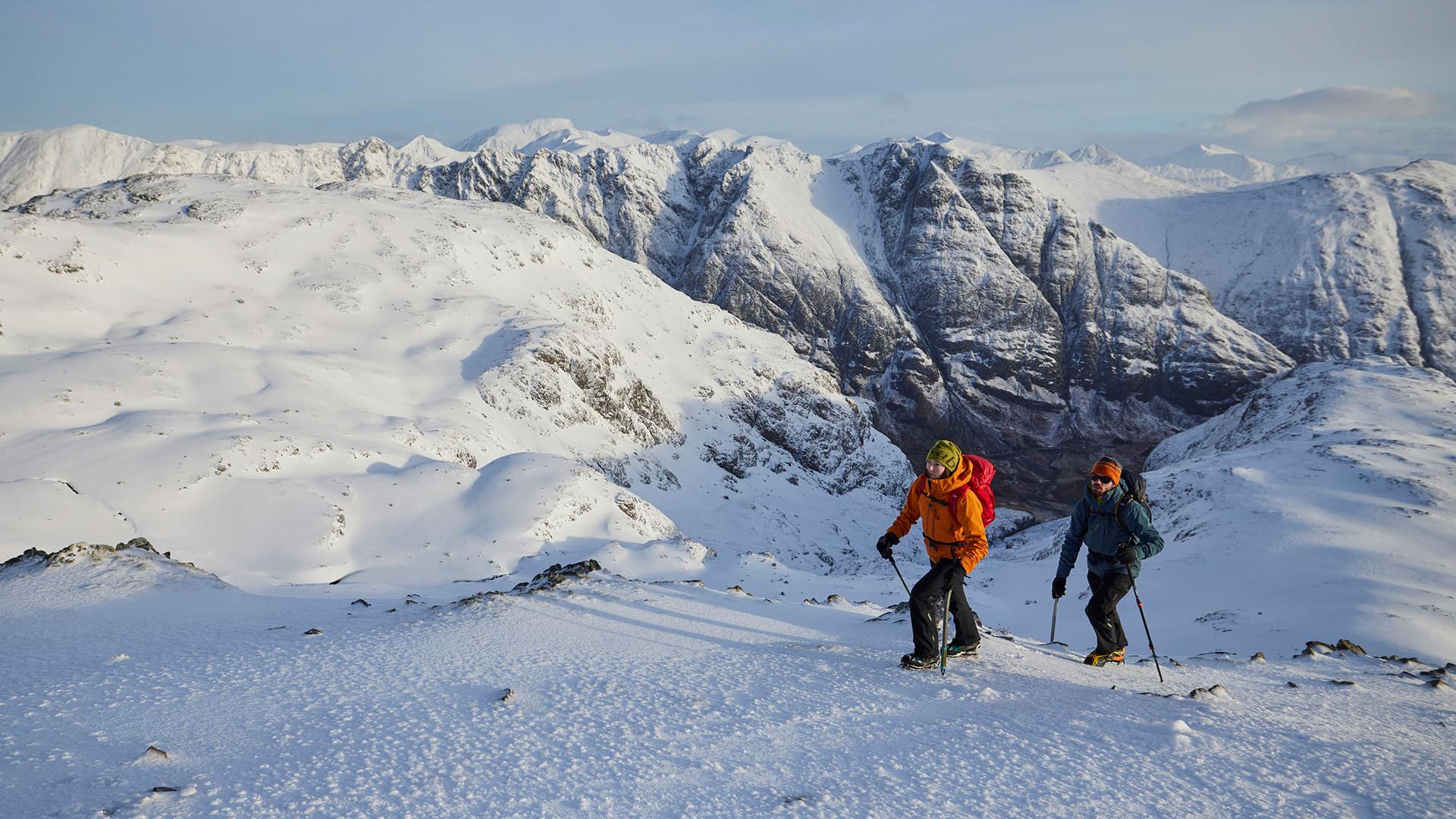
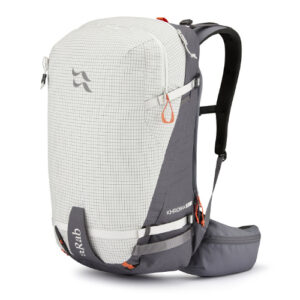
Cold in the mountains doesn't arrive all at once. It creeps in – quietly at first, then it starts setting the pace, until in the end there's no stopping it. And once you start losing feeling in your hands and feet, it's no longer just about comfort. It's about your safety: you might not even be able to hold the ice axe, poles or phone that are supposed to save you.
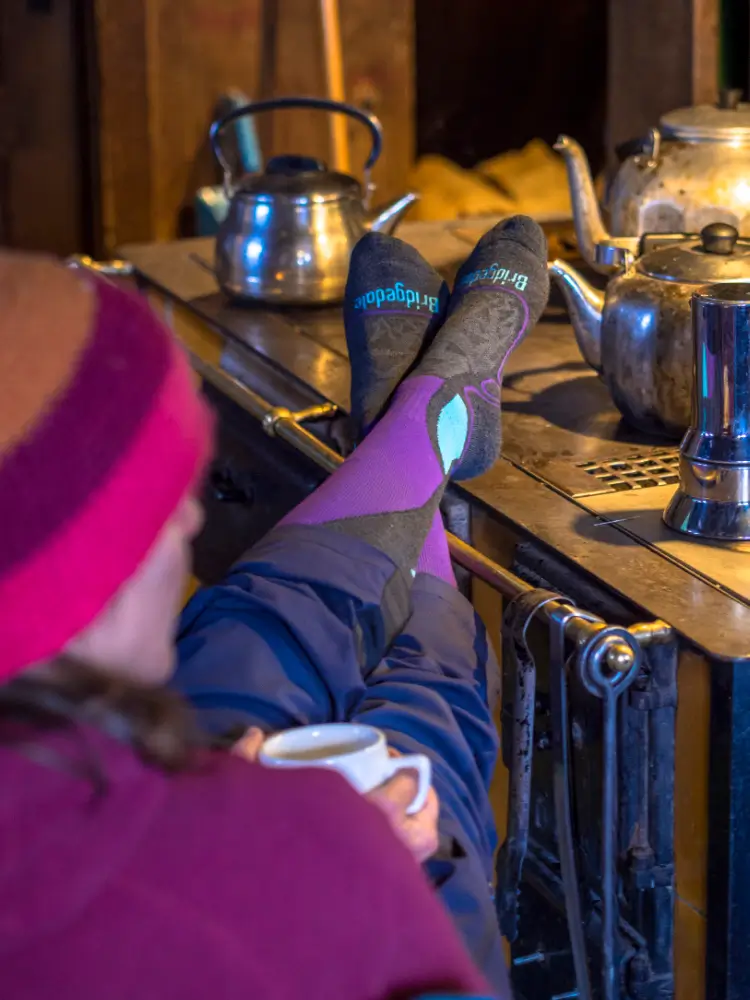
Everyone obsesses over jackets, trousers and layering. But a day in the mountains is often decided by much smaller things – your fingers and toes. You overlook them for ages, ignore the first tingling, until they start to go stiff – and by then it's too late.
At first the cold just gives you a gentle “nudge” – a slight chill, pins and needles, clumsier fine motor skills, slower reactions. If you brush these signals off with “I can handle it for a bit longer”, you're risking frostbite – and in the worst case, full-blown hypothermia.
Losing feeling in your fingers isn't just unpleasant. It means worse handling of crampons, rope, avalanche gear and your phone – in other words, a real increase in the risk of an accident.
Your body has clear priorities – it protects the brain, heart and lungs. As soon as it gets cold, the blood vessels in your skin and limbs constrict (vasoconstriction) and blood is concentrated in your core. That's why hands and feet freeze first – even if you're otherwise wearing “good clothes”.
First come the subtle signals – cold, pain, tingling. Then you lose sensation and get clumsy. In extreme cases your fingers stop working almost entirely. Fatigue, hunger, dehydration, smoking or circulation problems all raise the risk – they all reduce blood flow.
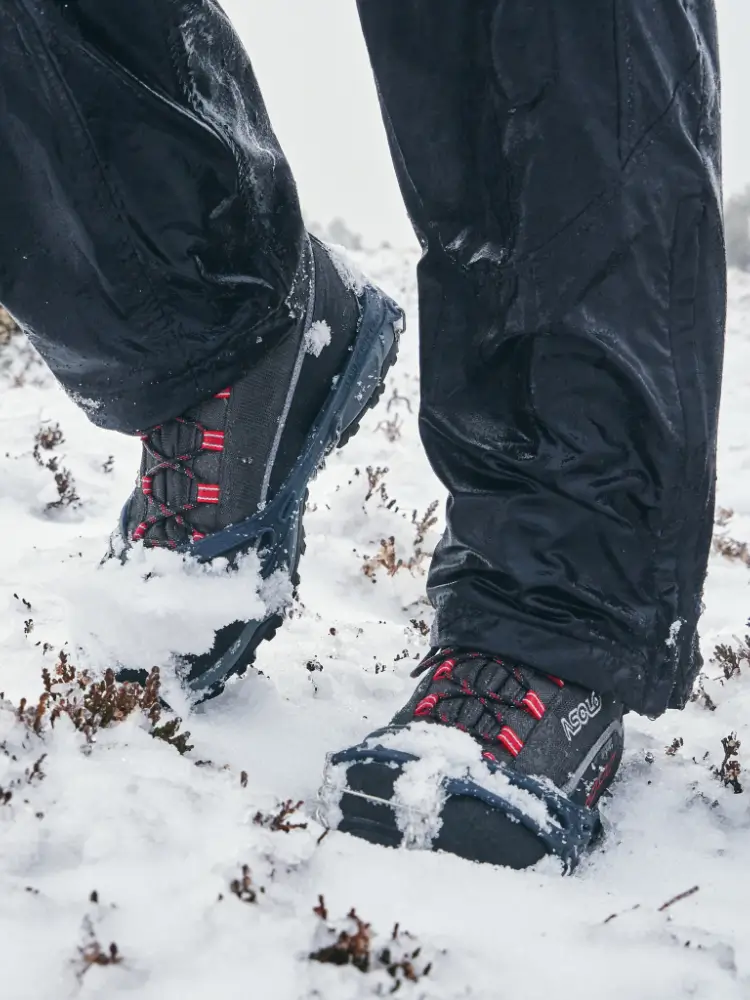
Wind dramatically speeds up heat loss – at zero degrees in a strong wind your body can feel as if it's minus ten, and extremities like hands and feet cool down many times faster.
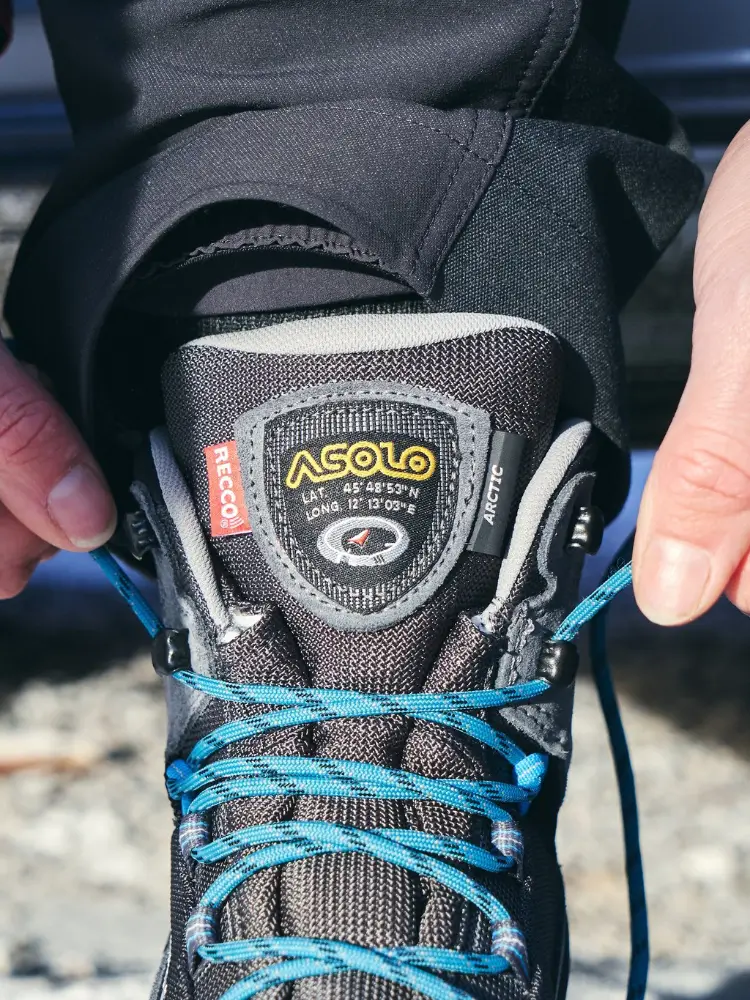
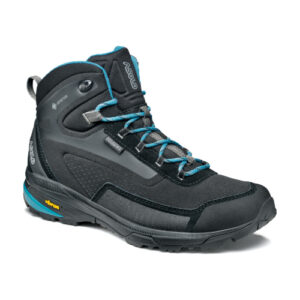
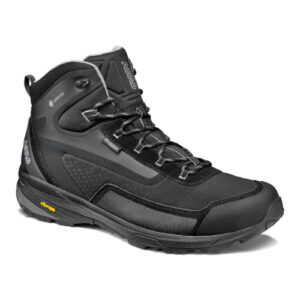
Every contact with snow or frozen ground draws heat from your feet. So it's not just about boots that don't leak – they also need to create a stable microclimate inside. Tight boots squeeze your blood vessels and your toes freeze. Roomier, well-insulated boots hold the heat and let the blood circulate.
The sole may include an insulating (e.g. aluminium) layer that stops cold seeping up from the ground. A lining with a winter membrane (e.g. Gore‑Tex Insulated Comfort) then helps keep your feet warm even in deep sub-zero temperatures.
Try the boots on with winter socks: you should be able to wiggle your toes freely and feel no pressure at the toe when walking. Laces pulled too tight act like a tourniquet in the cold and rob you of heat.

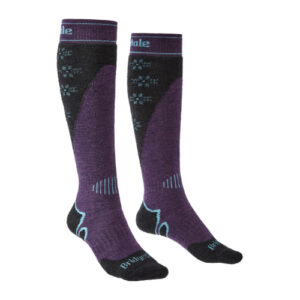
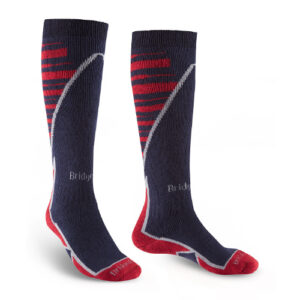


It's not just about thickness. It's about the material, how well it wicks moisture and whether it keeps you warm even when your feet sweat. Merino wool leads the way here – it insulates even when damp. Synthetic fibres, on the other hand, make a good quick-drying first layer if your feet tend to sweat.
Construction matters too. A cuff that hugs the calf gently without squeezing lets the blood flow – so warmth reaches your toes more easily. A well-fitting sock with no creases and a reinforced toe and heel also reduces the risk of cold spots and pressure points.
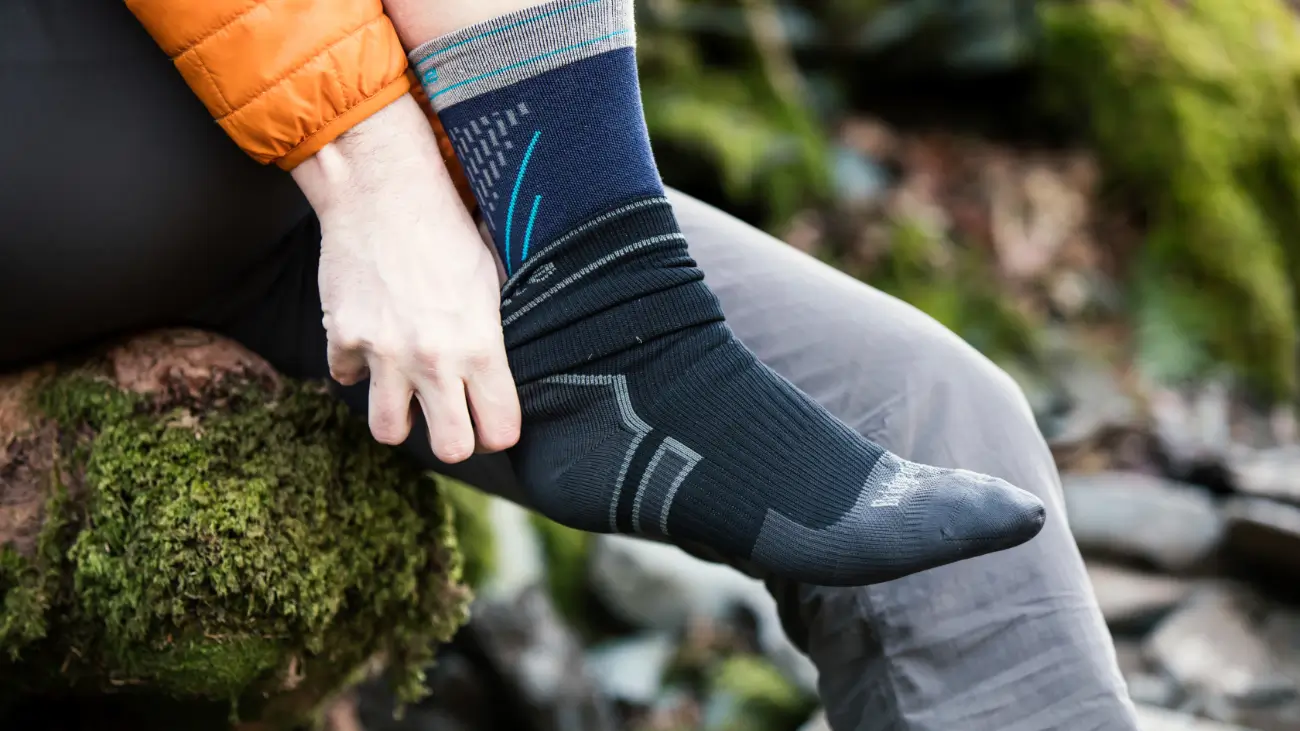
For a one-day winter hike – one pair on your feet, one dry pair in your pack “for the way down” or an emergency change. For a multi-day trip, three pairs – one for walking during the day, a second as backup and a third “sacred” pair for sleeping and a dry start in the morning.
Once your boots get wet inside, heat disappears dramatically faster and the risk of frostbite shoots up. It can happen even in the best waterproof boots – moisture from wet spring snow gets in over the top or simply wicks up from below.
At that point you need to act straight away: take off the wet socks, dry your feet as much as you can and put on a dry pair. And this is where waterproof socks come in – an emergency backup that keeps your feet dry even when your boots are soaked through and the finish or the hut is still a long way off.
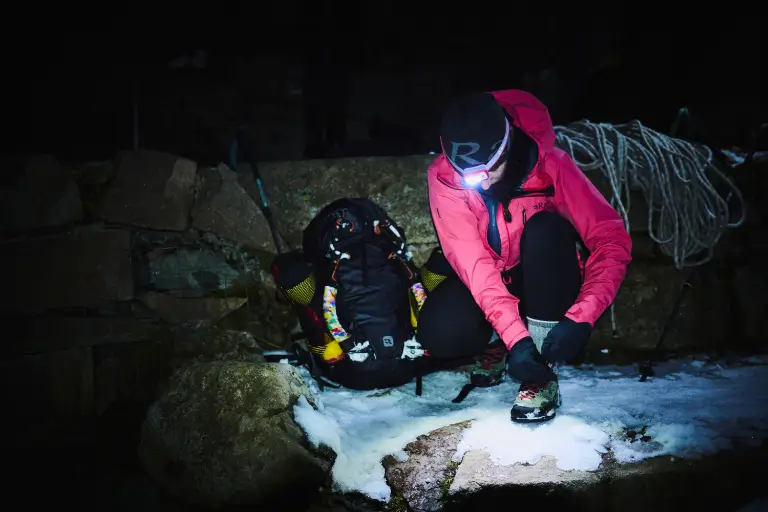
Think of them as an airbag – not an all-day sock. Since you'll sweat in them, they work brilliantly for a few hours in the worst conditions – then you need to dry them out and give your feet a break.


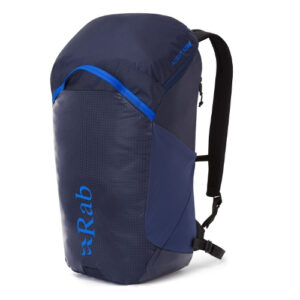
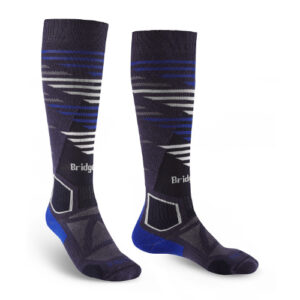
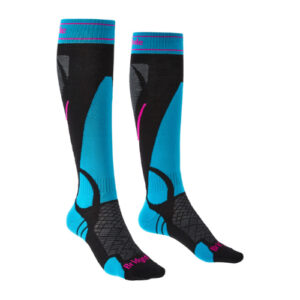
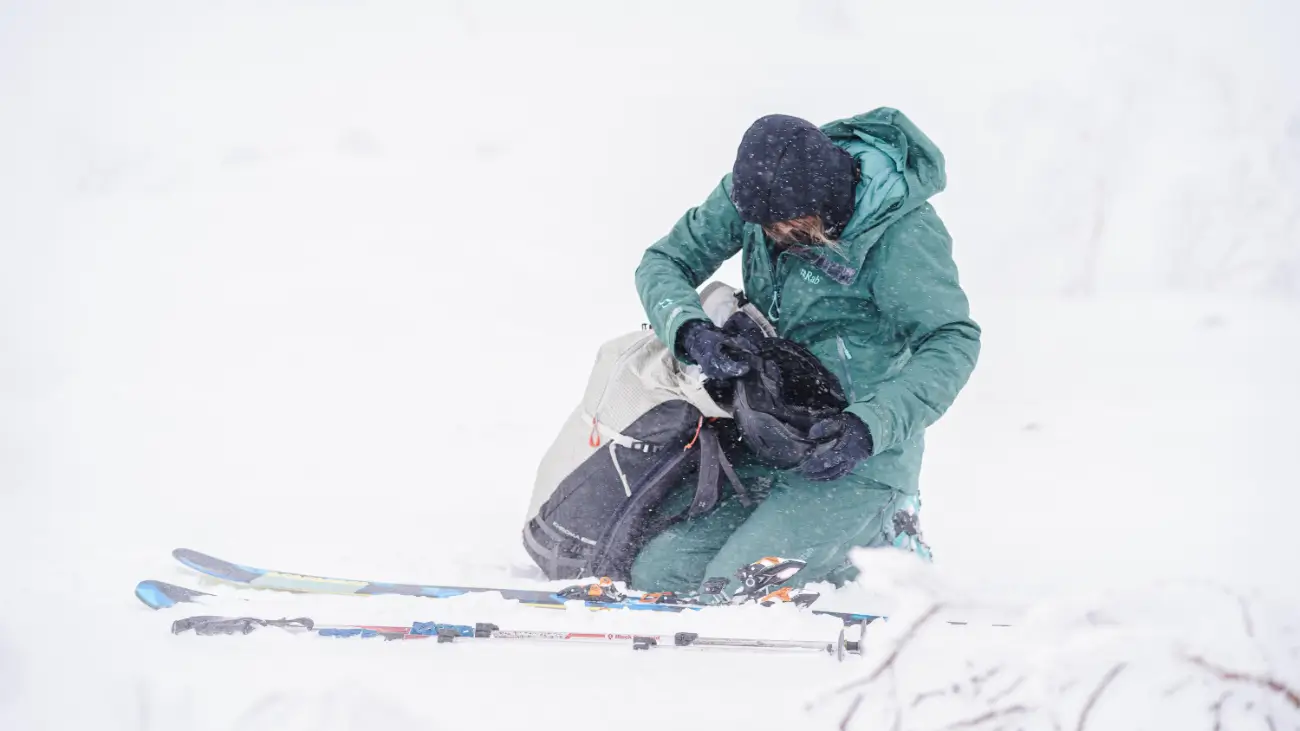
Taking photos, snacking, sticking on skins – every break is a moment when your fingers are more vulnerable to cold, especially on a windy ridge. That's why experienced mountaineers carry at least one, often two dry spare pairs of gloves.
Layering works well – thin liner gloves as a base (merino, for example) with warm gloves or mitts on top, with a membrane against wind and moisture. In the deepest cold, thin gloves under mitts have proved their worth – your fingers warm each other, and you can take the mitts off for a moment without leaving your hands completely bare.
They stop your gloves blowing away in the wind or when you're handling gear. On exposed terrain that can be the difference between a minor hassle and a serious problem.
Feet and hands freeze faster when your body is hungry or dehydrated – your blood is thicker, circulation is worse and heat struggles to reach your fingertips. Yet in winter you often don't feel as thirsty or hungry as in summer, so you need to remind yourself to eat and drink.
A simple rhythm helps: a few sips of a hot drink every 20–30 minutes and a small dose of calories (nuts, a bar) roughly once an hour. Fattier foods help keep you warm for longer than pure sugar, which gives you a quick kick but soon drops off again.
They're a backup. You put them in your gloves or on top of your feet – where you cool down fastest – and they help keep your fingers and toes working when things get tough. They don't fix the cause, but they'll help you through critical moments – a late descent or waiting for your partner.
Make sure they don't sit directly on bare skin – they belong in a glove pocket or over your sock – and don't use them on more serious frostbite, which needs controlled, gentle rewarming.
“I can handle it a bit longer,” you tell yourself. The cold sends its first signals quietly – a slight chill, tingling fingers, reduced feeling. Ignoring them is the fast track to frostbite and hypothermia.
A simple rule: as soon as you notice your hands or feet are cold, change something – add a layer, eat, drink, get moving or swap your gloves.
Check yourself every time you stop. Can I feel my fingers? Can I do up a zip or buckle without trouble? If not, sort out your hands and feet first – photos and snacks can wait.
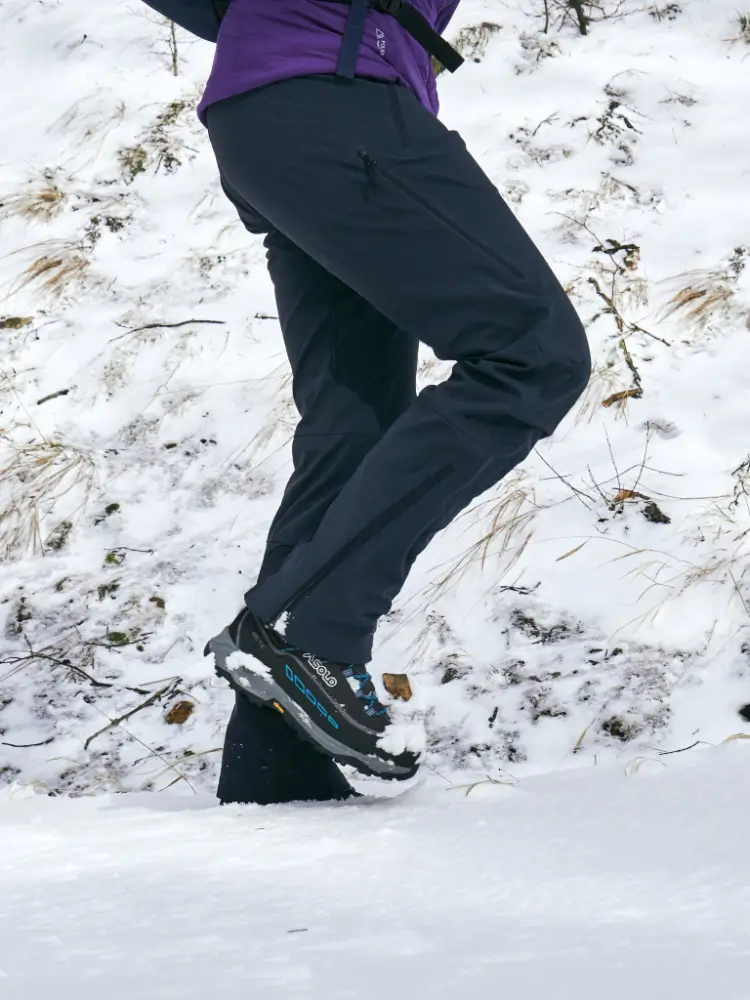
When your fingers start to go stiff, just adding a thicker glove or sock may not be enough. The quickest way to get blood back into your fingertips and toes is movement. Clenching and releasing your fists or wiggling your toes works even while you walk.
Short on-the-spot exercises help too: windmilling your arms, a few dozen squats, jumps, a short jog between breaks. Even a few minutes of more intense movement can quickly restore circulation and warm your fingers up again.
If the skin is white, hard and waxy, or blisters are forming – that's more advanced frostbite. At that point, don't rub the limb or warm it by an open heat source. Instead, insulate it, protect it and get professional help as soon as possible.
Warm tea or another hot non-alcoholic drink hydrates you and gently warms you from the inside, which helps your overall thermoregulation. Ideally, carry a flask of tea, broth or a warm electrolyte drink you can keep going back to all day.
Alcohol, on the other hand, briefly dilates your blood vessels, so you feel warm – but in reality your body loses heat faster, because warm blood escapes from your core and limbs. It also dulls your judgement, which raises the risk of bad decisions in situations where clear judgement is the most valuable thing you have.
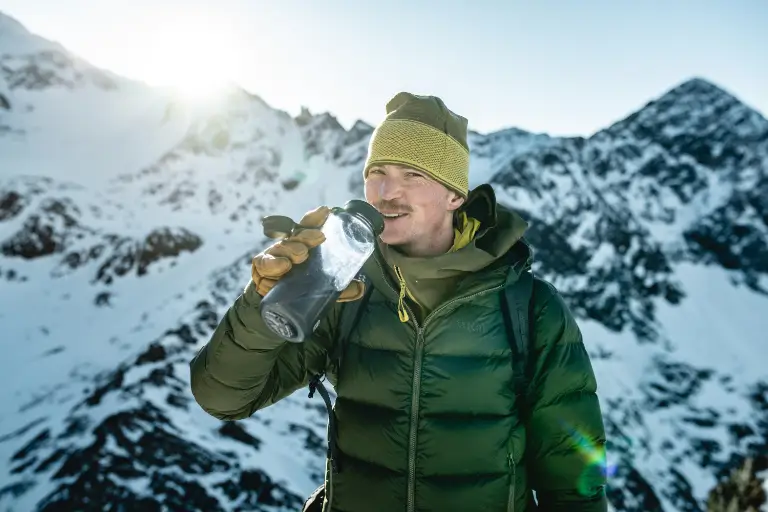
A dry pair of socks, emergency waterproof socks, at least one extra dry pair of gloves, chemical warmers, a snack and a flask with a hot drink – the basic kit for anyone who doesn't want to lose their hands and feet in the winter mountains.
In the winter mountains it's not about heroics, it's about a steady stream of small decisions – when to drink, add a layer or change your gloves. That's what keeps your hands and feet working, steady on crampons and able to get you home on your own two feet.
You probably won't be playing polar explorer on your hike – but you can borrow one simple rule from them: I never sacrifice my fingers for comfort, a photo or my ego.