
Bought yourself a T-shirt made of recycled polyester? Bravo! Problem solved. The glaciers stop melting, the Aiguille du Dru holds together again and the falcon can return to its nest in peace. Except that's not how it works. A T-shirt can't compete with your values. Because sustainability starts with what money can't buy.
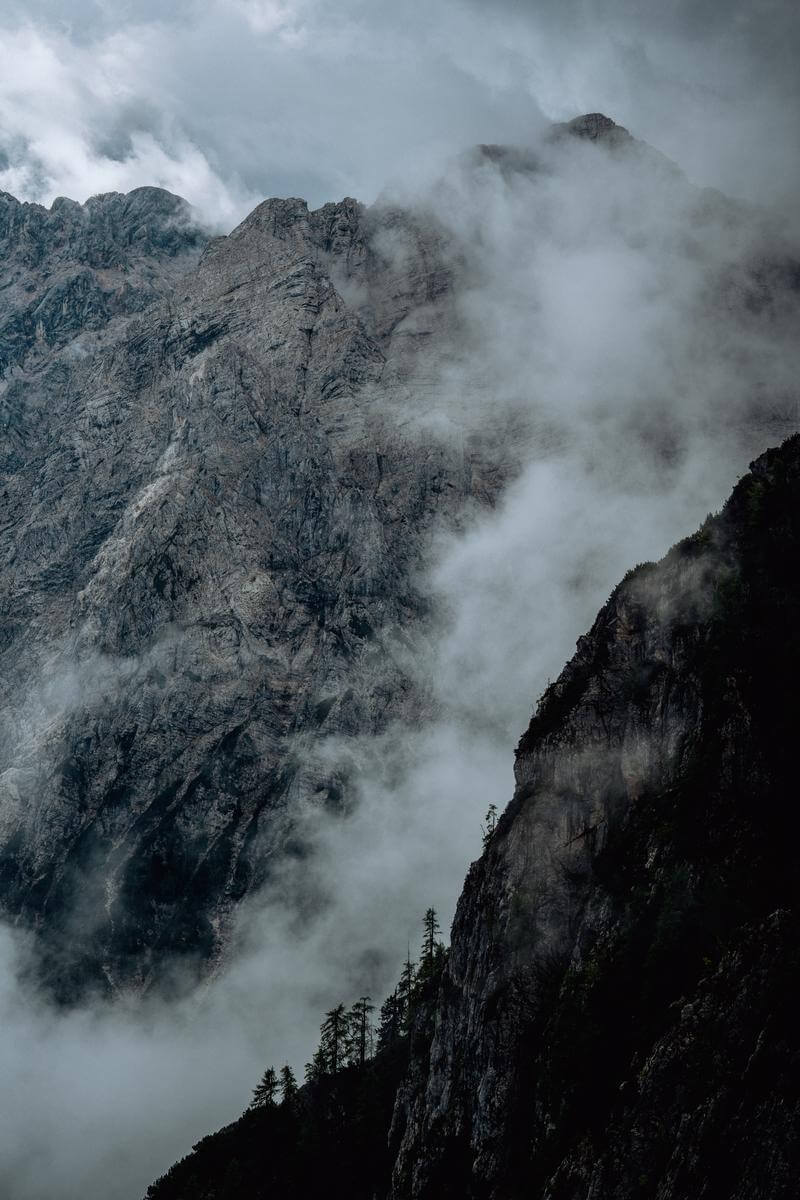
That "sustainable" T-shirt isn't actually all that sustainable. It just pushes the problem further down the road. Someone takes a few PET bottles, makes a T-shirt out of them, and then what? That "plastic" ends up in landfill anyway. The T-shirt doesn't get recycled again. And it does nothing for your beloved mountains.
If you care about the mountains, start by looking around. Notice what's happening and how the landscape behaves, and change your own behaviour accordingly. Because it isn't people on one side and some nature around us on the other.
We are nature.
But sometimes that's what it looks like. Some people even call them that: an outdoor gym. Instead of going to the gym, we go out to "smash it" in the fresh air. Often in the mode of: turn up, use it, vanish.
We don't worry about what we leave behind at the gym – the staff clean it up, that's what we pay for. But the mountains usually get nothing from us in return. Often not even respect, understanding, or consideration for everything living and non-living in them. Isn't that unfair?
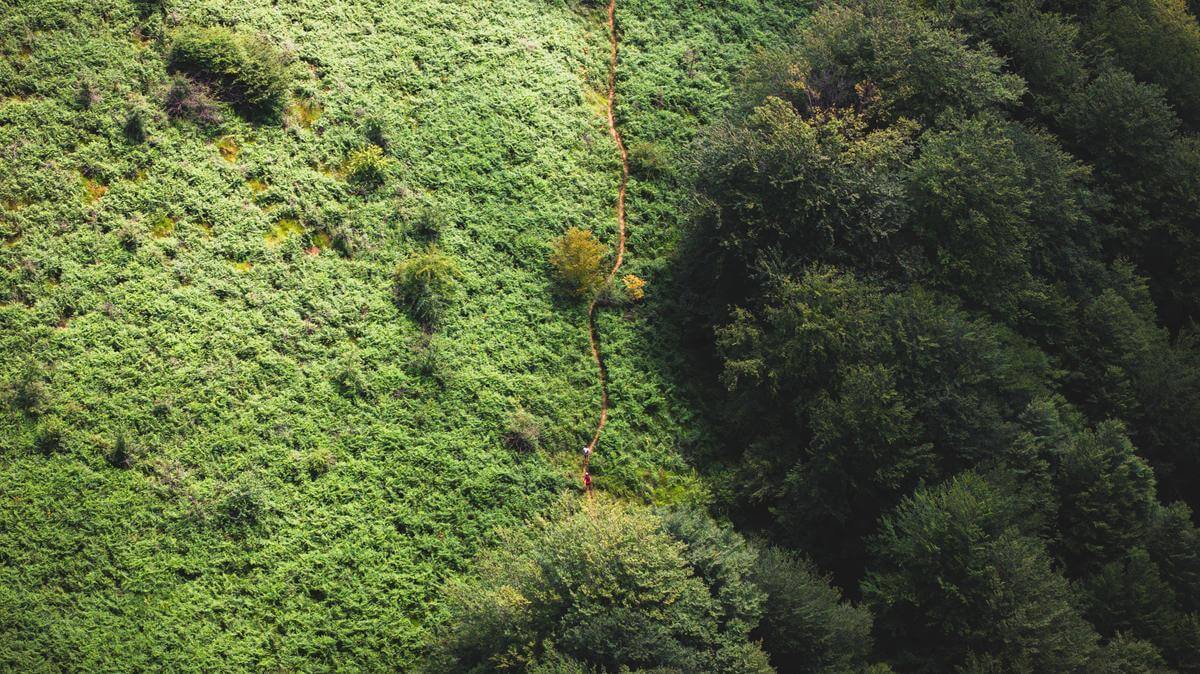
So that one day everything doesn't end up banned. Every ban has a reason. Maybe not entirely from our point of view, but we're not alone in the world, are we? There are rangers who see a biological treasure in a patch of rock. And then there are tourists who want a selfie on that very same patch of rock.
When one person breaks a ban, not much happens. The falcon won't go mad and the trampled bearded bellflower will recover. But behind that one person a trodden path is left (literally and figuratively) for those who come after. And then off it goes. Erosion, the end of peace and quiet, and other disasters.
Every March a falcon nested on a remote crag in the Jeseník Mountains to raise its young. But ski tourers started hanging around there. In a National Nature Reserve where entry is forbidden. They disturbed it. So the falcon nested elsewhere. Unfortunately on a crag that serves as a viewpoint in summer.
Once again, people scared it. They drove it into a corner. And the young falcons never hatched. The world is complicated. And we often can't see the consequences of our actions.


Do you know what completely shreds the atmosphere of a place? Crowds. The photogenic views may stay. But all other life disappears from there. Animals no longer come to drink at their pool, and hoofprints in the mud are replaced by human traces. Usually white and smelly.
It's our need to share. Social media is full of tips on "super-secret places only the locals know" (even though that's exactly why the locals no longer go there). Mapy.com has revealed so many hidden treasures that nothing has stayed hidden at all. But what if we kept it to ourselves? Finding a treasure is fine. But picking up your phone and telling the world straight away has lasting consequences.
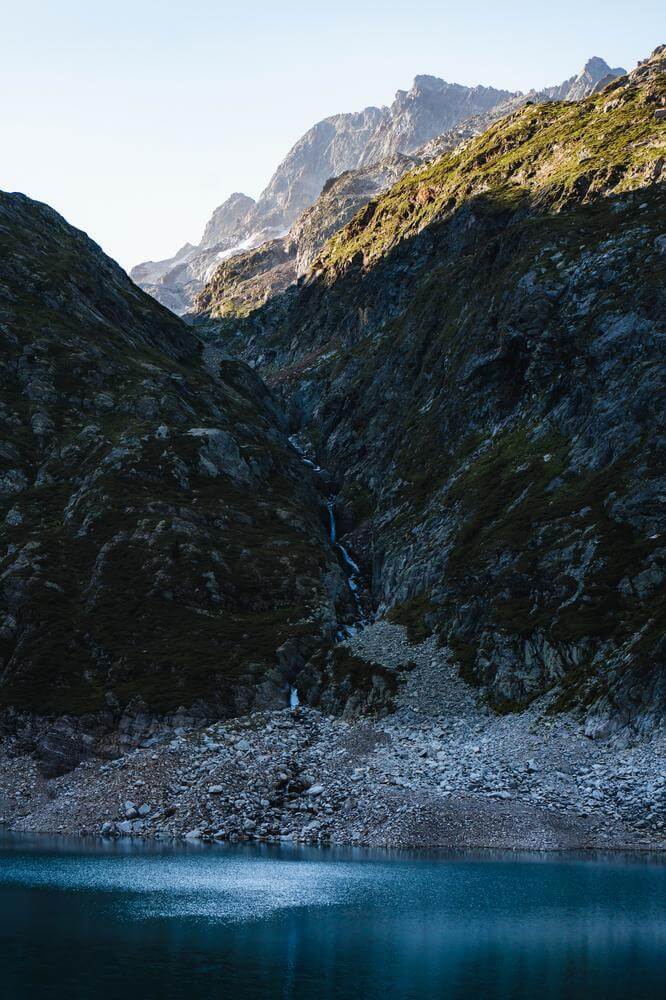
Only a few people knew that bivouac. A handful of locals, a few old-school tramps. A magical place to hide from the world. You'd roast a sausage and fall asleep under the overhang. Last year there were tissues lying all over the place, often with a "little present" too.
Through the internet, the bivouac went out into the world. More people came than a place like that can take. People with no knowledge of traditions or basic habits. And the magic vanished. Only the mess remained.
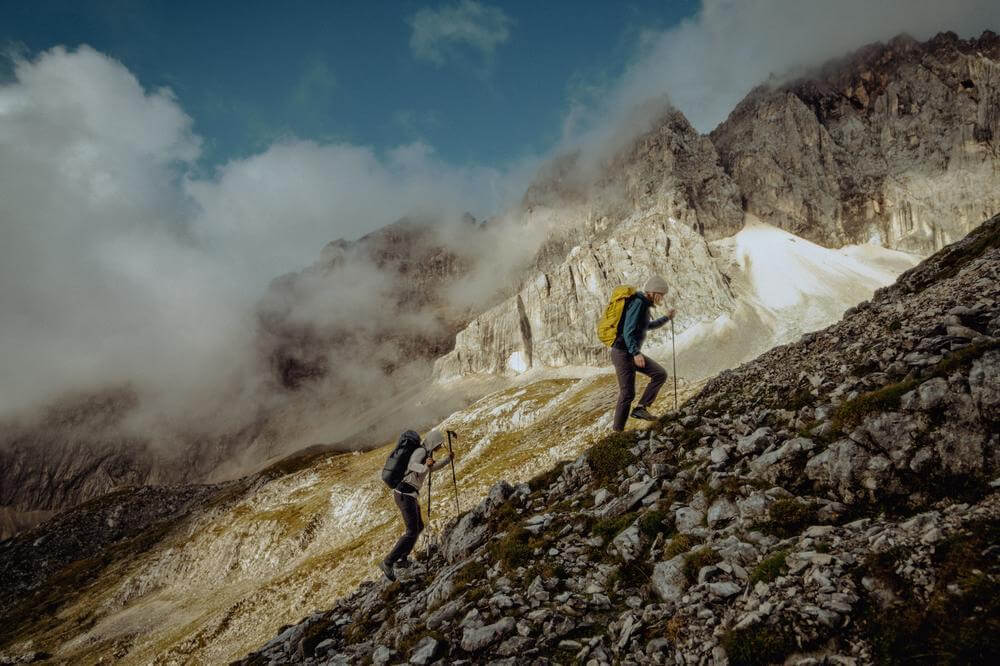
The city is one big noise. A never-ending whirl of sounds. And ski resorts (and other amusement parks) in the mountains are just an extension of the city. Music blares, the lift hums, the turnstiles on the treetop walkway never stop.
We no longer know what silence is. Maybe you don't even long for silence. That's fine. But respect other creatures. They have a right to quiet. In the mountains, silence is the natural state. The cry of a falcon, the creak of a beech trunk, the murmur of a stream – all of that is part of the "silence". But shouting and loud music? Surely the mountains don't deserve that.
You're walking along a trail, alone with your thoughts. Coming towards you: people, noise – and suddenly, in the middle of the mountains, it feels like a hip hop battle night.
They say one person's freedom ends where another's begins. You want to listen to music? I don't. And the animals in the forest aren't keen on Slovak rapper Rytmus's Zvuk ulice (Sound of the Street) either. The solution? Put on headphones and the world will be beautiful again. For you and for all the life around you.
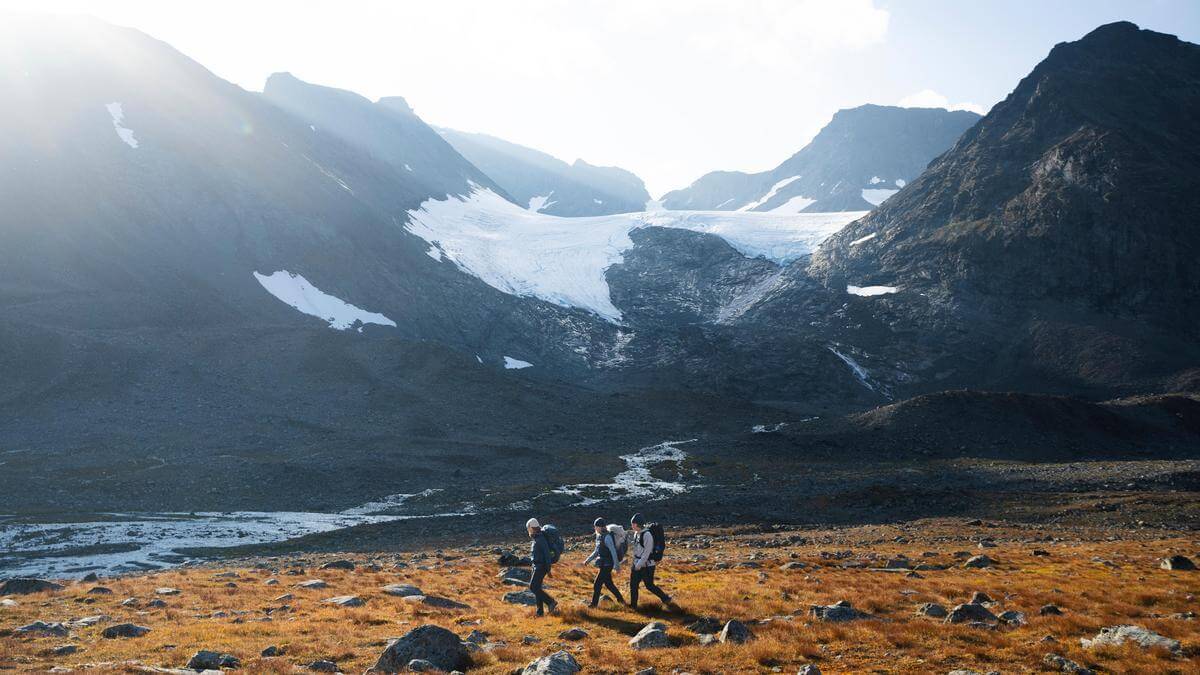
What you carry in, you carry out. You probably know that rule. Rubbish belongs in your pack, not in the grass. But what if we raised the bar a little? "Carry out what you carry in, plus what you find along the way." There's still plenty of rubbish lying around the mountains. And nothing is more "sustainable" than having a bag in your pack to pick something up now and then.
Try to leave the mountains after your visit the same as (or even better than) before. That goes for sleeping out, building shelters and lighting fires, too. For one thing, it's often banned. And if it isn't, nobody should be able to tell after you've gone that a person was ever there.
Someone slept out, made a little fire in the morning, didn't put it out properly – and when we happened to turn up, the fire was smouldering metres away through tree roots and dry leaves. The wind was only egging it on.
The budding forest fire was only stopped by two fire crews after two hours of soaking the ground. And getting hoses to those rocks in the middle of the forest wasn't exactly easy.


Have you ever wondered where the money you spend in the mountains ends up? Do you think it lands in the pockets of the locals? Maybe a bit of small change for the lift operator. But the ski resort that pushes out the original nature more and more every year (and often the local people in the end, too) usually belongs to someone who came from the city. To make money in the mountains.
With every crown you spend there, you vote for that version of the mountains. But if you're content with what the mountains themselves offer – silence, peace, clean air, refreshing springs and natural views – you support keeping the mountains in their original, unspoilt beauty.
If you want to follow your money even more closely, take a look at the Czech system called budgetary allocation of taxes. Part of corporate income tax goes to municipalities. But it's distributed according to where a company has its registered office. Not where it actually does business.
So the tax from a resort in a mountain village often ends up in the budget of Prague or Brno. And the people in the village that bears the impact of its operation get nothing from those taxes – not even enough for a new pavement.
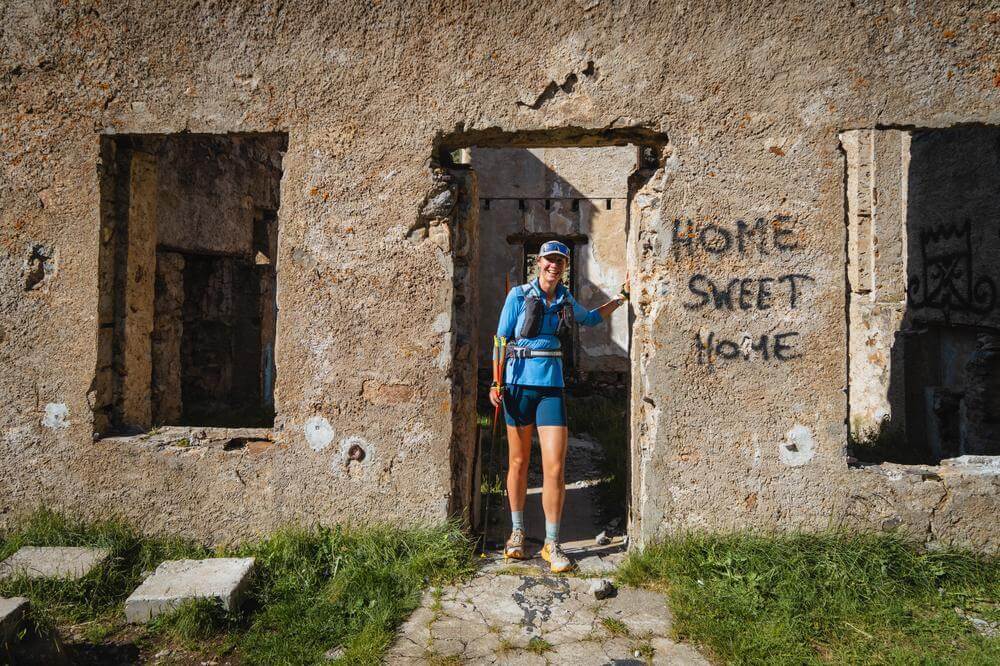
For some, the mountains are an experience, for others they're home. Maybe you're one of those who aren't so lucky – you don't live in the mountains and have to travel there. Fortunately, the mountains are here for everyone. Still, the spot where you're about to park your camper van and set up your living room may belong to someone. They look after it, stack wood there, play there with their kids.
You probably wouldn't be happy either if music blared down your street every day and the neighbours set off fireworks. Just as you wouldn't want someone peeing (or worse) in the bushes under your windows. Some people are at home in the mountains – others are visiting. And no visitor behaves as if "after me, the flood".
Since 1945, people have been leaving the Czech border mountains rather than moving in. It began with the expulsion of the Germans and in fact continues to this day. Whole villages have disappeared and people keep leaving mountain towns and villages. There are fewer "old-timers' cottages" and more apartment blocks with attractions to kill time.
The year has split into two seasons: "overrun by day-trippers" and "dead as a doornail". Entertainment is growing, life isn't. Is that sustainable?
Prevent your own trouble – with thorough preparation, suitable gear, and respect for the mountains and current conditions. Better to turn back out of fear than to get into a mess out of bravado. Because when mountain rescue has to come for you with their machinery, consideration for nature goes out of the window. Saving a life comes first.
But there's another angle too. You ignore a ban and someone catches you? You park where you shouldn't? The foresters can't get through? Put your tail between your legs, eat humble pie, apologise. Throwing your weight around, arguing and using strong words only leads to more bans and locals who can't stand day-trippers. That's not sustainable.
Two rangers in the Bohemian Forest told two ski tourers that they were off the marked trail in a protected area and could be fined. One of the ski tourers responded with a physical attack. He started beating the rangers with a ski and kicking them – and both ended up in hospital.
Clashes between people in the mountains are on the rise. So far still mostly verbal. But is this really what we want?
This simple realisation alone should be enough for us to start behaving more "sustainably". We're not saving the planet, the mountains, nature or whatever we call it. The planet will manage fine without us. Perhaps even better than with us. After all, it's been here for 4.5 billion years, survived five mass extinctions and still decided to "risk it" with us.
So if we're going to strive for sustainability, it's not just for what's around us. It's for ourselves too. Sure – this isn't a recipe for saving everything. Just small steps so that we can all feel better where we love to be – in the mountains.
Enjoy it – but don't abuse it.


