Hiking without blisters is possible

Because they're actually pretty easy to prevent. You just need to know why blisters form in the first place – and act accordingly. And even when a blister starts to brew, it's not necessarily too late: step in early and you can carry on without pain and misery.
Close-up of Asolo boots fording a stream

The main culprits: moisture and friction

A blister doesn't just pop up out of nowhere – just as lightning doesn't strike from a clear blue sky. The clouds always gather first – and only then does all hell break loose. So it's never a good idea to ignore any rubbing inside your boot or reddening skin.

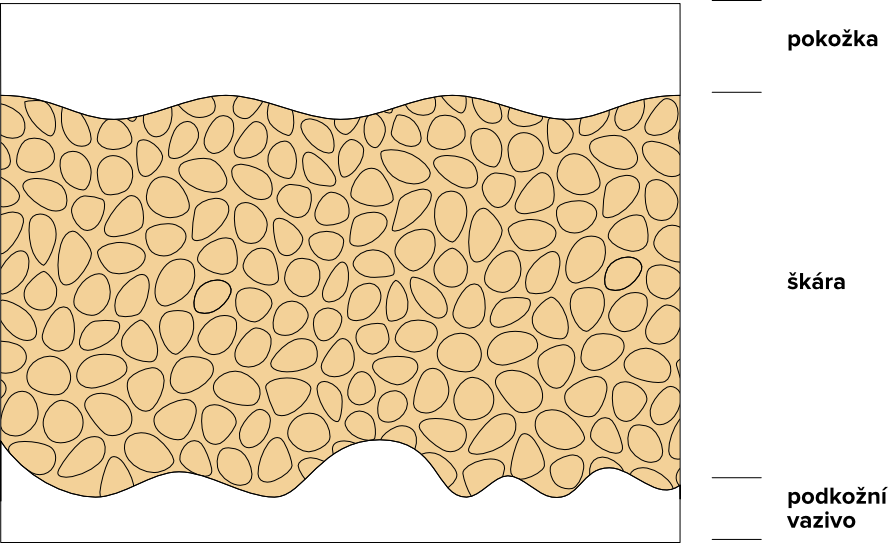
Three layers of skin

Skin is made up of three main layers: the epidermis, the dermis and the subcutaneous tissue. When your foot and boot keep rubbing against each other, these layers start to separate, until a bubble filled with clear fluid forms between them. That fluid is the body's natural protection – it helps and heals. That's why popping blisters isn't recommended.
If red fluid collects in a blister, it means the capillaries (the tiniest blood vessels) have been damaged too.
The perfect breeding ground for blisters is a damp environment. Moist skin is more prone to injury. Add a heavy pack on your back and terrain with steep climbs and descents, and friction inside your boots goes up – and so does the risk of blisters. That's why keeping your feet as dry as possible is essential.

Blisters are caused by

  • Boots that don't fit properly.
  • Little stones or pine needles in your boots.
  • Dust or sand in your socks.
  • Sock seams or socks bunching up.
  • Moisture from rain or wading through snow.
  • Extremely sweaty feet.
Putting on damp boots in front of the tent

Prevention: blisters can be avoided

Which is good news. Either way, the only way to prevent blisters is to get boots that genuinely fit well and suit the activity and terrain, and not to skimp on socks. That's the foundation – and a few more tricks can build on it.

The right boot size

So it all starts in the shop. Your boots must fit and your foot mustn't rub anywhere. Not even a tiny bit. If it does, you need different boots.
There should always be a little room in front of your big toe, but your heel mustn't move at all as you walk. A spacer insert under the insole can help you find a stable position for your foot inside the boot. And proper lacing makes a big difference too.

Where are your boots taking you?

That's the first thing to get clear. There's no such thing as a universal boot for every terrain, and the wrong design can give you just as much grief as the wrong size. Each boot category is made with a different sole stiffness and on a different last, which defines the boot's shape – above all the width of the toe box and the height of the instep and heel.

The right type of boot

No single pair can please every terrain. Different terrain calls for different boots. You'll wear one pair for a high-mountain trek with a heavy pack and another for, say, the Camino. In heavy hiking boots, built more for colder weather and unstable ground, your feet will really sweat on a summer hike up Sněžka – and their stiff construction also means more friction (and so a higher risk of blisters).
And it works the other way round too – even light trainers on rough terrain with a heavy pack on your back can wreak havoc on your feet.

Boots with a membrane, or without?

In colder weather waterproof membranes work as they should. They wick away sweat and keep your feet dry – precisely because effective moisture transfer needs a clear difference between the temperature inside and outside the boot. In warm weather, though, sweat doesn't escape as well, moisture builds up inside the boot and the risk of blisters grows.

Socks that actually work

Not just "technical". Genuinely effective. The kind that don't wear through in your boots in a hurry and can be worn for several days in a row without odour or bacteria. That's best achieved by combining the natural thermoregulating and antibacterial properties of merino wool with tough synthetic fibres that wick away sweat.
Sock cushioning also matters in the places prone to blisters and pressure sores. Depending on the activity, that means heels, toes and ankles, or even the whole sole – or the shins in ski socks.

Waterproof socks

After hours and hours in wet conditions, moisture can eventually work its way through every membrane and reach your socks. Then you need to change them. But once your boots are wet inside too, ordinary socks are useless – they'll get damp straight away. So as a backup, waterproof socks are your best bet.
Bridgedale Storm Sock

Scissors, tape, balm sticks

On a long trek your feet can take such a beating that even the best boots and socks may not be enough. That's when your prevention needs a little extra push.
  • Trim your toenails. Long nails can cause blisters on your toes.
  • Tape vulnerable spots in advance. Or use a breathable plaster to protect the skin from friction where you're prone to blisters.
  • Use an anti-blister stick. Again, as prevention. The stick creates a protective lubricating barrier that stops friction.

Dry at all costs

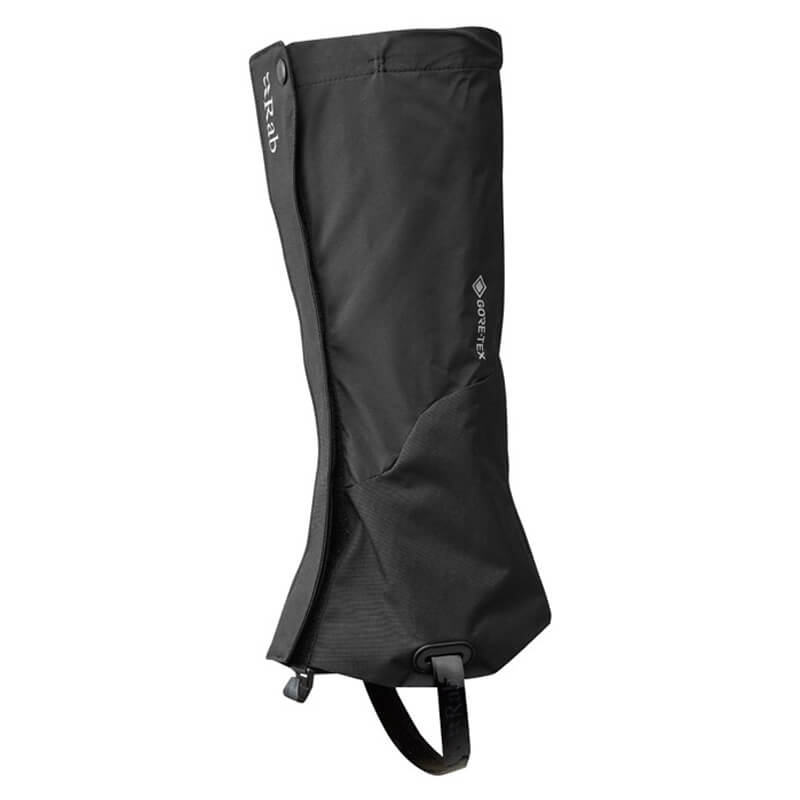
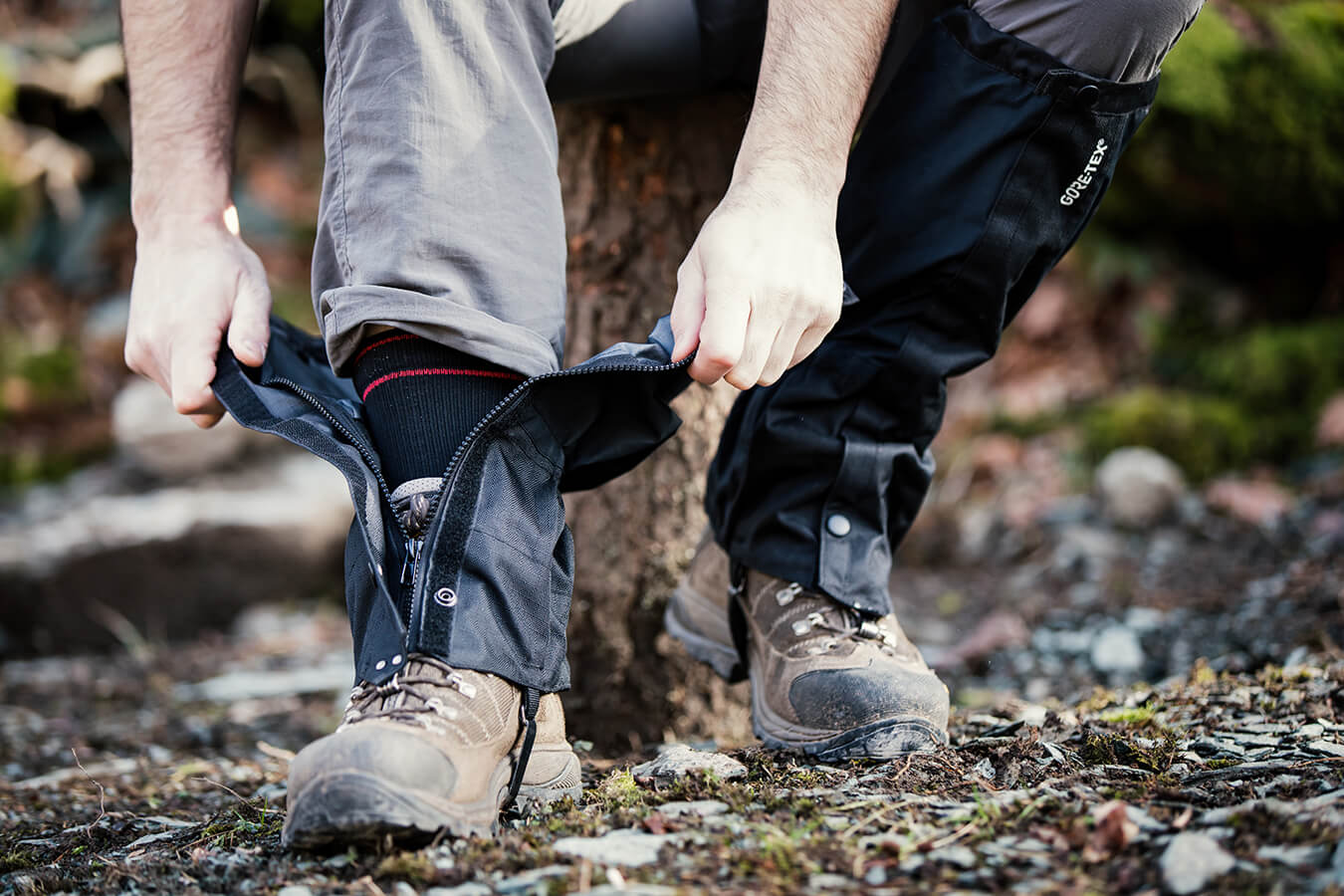
In deep snow, or in wet and rainy conditions in general, gaiters also help prevent blisters. They stop moisture and snow getting into your boots from above – and the less moisture, the lower the risk of blisters.
Rab Muztag GTX GaiterRab Muztag GTX Gaiter

First aid: act early

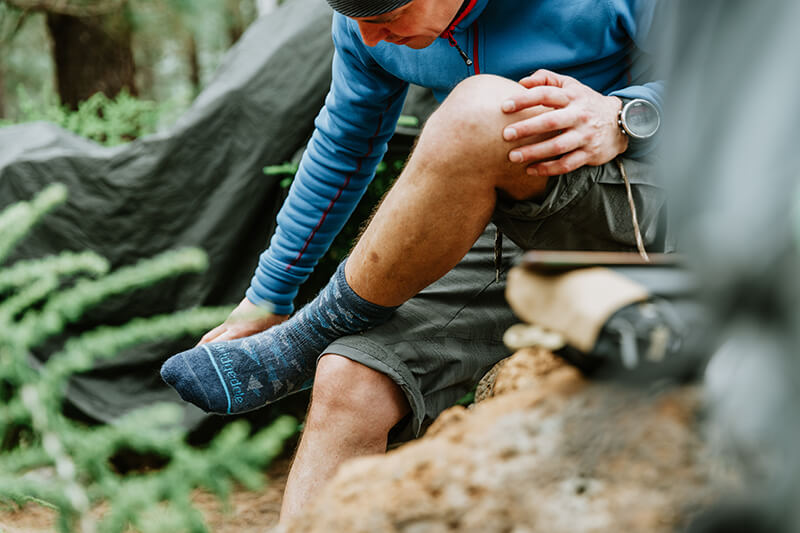
Reacting in time is key – before the blister grows so big that healing drags on and on. And of course rest is the best medicine. So if you don't have to keep going, take a break and be careful not to tear the blister.
Close-up of feet in Asolo boots, relaxing in a mountain meadow

Hydrocolloid plasters

But if there's nothing for it but to lace up your boots and keep walking, hydrocolloid plasters are probably your best solution. They spread the pressure on the affected spot over a larger area and protect the blister from further friction. The gel inside the plaster also speeds up healing. For the plaster to work best, it should be bigger than the affected area. And the sooner you apply it, the faster the blister heals.
In an emergency, a normal plaster or tape will do. But that helps mainly while the skin is just red and a fluid-filled blister hasn't fully formed yet.

Should you pop blisters?

Only if absolutely necessary – when the blister is so big and painful that even a plaster won't help. Popping it ultimately slows down healing (the fluid inside is how the body heals the wound itself) and brings a risk of infection.
That's why you should use a disposable sterile needle (they cost next to nothing) or at least a needle sterilised in alcohol or a flame, then disinfect the spot and cover it with tape or a plaster without a pad (the edges of the pad are just more potential spots for new blisters).

A torn blister

If a blister tears inside your boot – and that's something you really want to avoid – first disinfect the area or at least rinse it with clean boiled water. Then again, a hydrocolloid plaster is the way to go: it seals the wound airtight and protects it from moisture and, ultimately, infection.
And it really shouldn't get to the point where thick, yellow pus forms inside the blister, followed by swelling or even fever or blood poisoning. But such cases have happened. So take care.

Boots from a family of shoemakers

In Nervesa della Battaglia in northern Italy, the fourth generation of the Zanatta family focuses on what it does best – making boots for life outdoors. Pick your pair.

Asolo Greenwood EVO GV

Light, durable hiking boots made of Perwanger leather.
To the e-shop >

Asolo Freney EVO LTH GV

Sturdy boots for alpine ascents, via ferratas and treks with a pack.
To the e-shop >

Asolo Falcon EVO Jaquard GV

Hiking boots with a breathable woven textile upper.
To the e-shop >

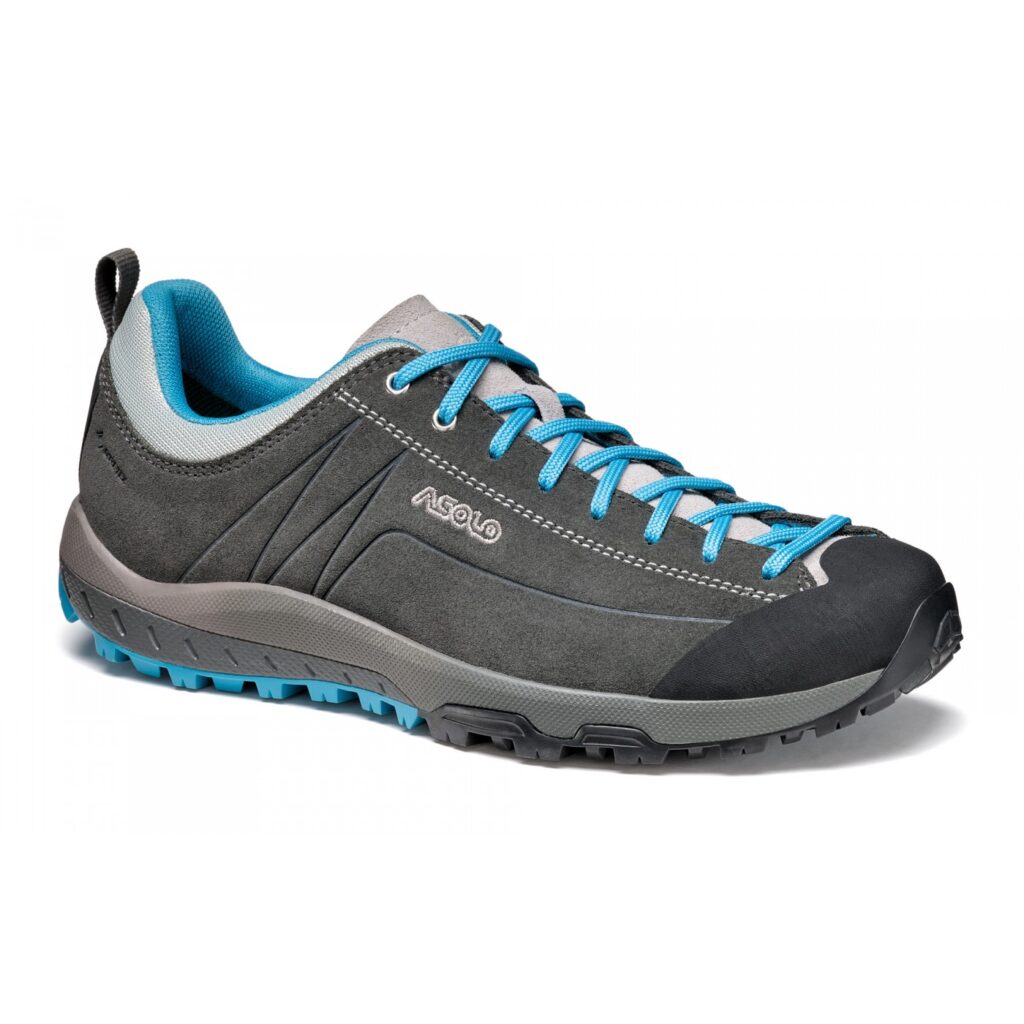
Asolo Space GV

Light trekking boots that stay waterproof and that you can rely on.
To the e-shop >
more asolo boots
Choose your language
newsletter

Sign up for the newsletter

As you read it, cold air will tickle your face. The mountains are calling…
Horolidi newsletter EN
envelopemagnifiercrossmenuchevron-upchevron-down