
The commute, a trip to the corner shop and a weekend traverse of the Giant Mountains – one pack can probably handle all that. But what if we add climbing in the mountains? Or skiing? And then you fancy a run? Now that's a tough nut to crack. So let's look at what types of packs actually exist and why each one has its own superpower.
Is volume the main thing? How much stuff you can cram into a pack? It matters, definitely. But there are other things that decide how a pack will sit on you. Because that's what it's mostly about – a pack that fits your body well and doesn't get in the way.
So there's the back panel, for example. Do you go for super breathable, or one that snow won't stick to? Material? Ultralight, stripped to the minimum, or something more durable? Loads of loops and pockets or a pared-back version, because the fewer bits and bobs, the less there is to break?
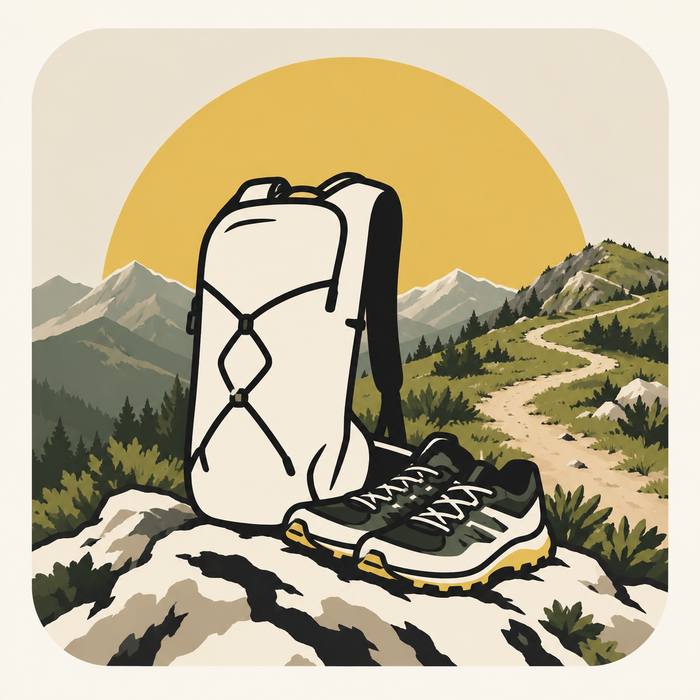
Day trips, mountain hikes, via ferratas, cycling, everyday use.
Multi-day mountain trips, hut-to-hut traverses, long-distance treks with heavy loads, mountain expeditions.
Alpinism, ice and mixed climbing, high-altitude hikes, multi-pitch climbing, harder via ferratas.
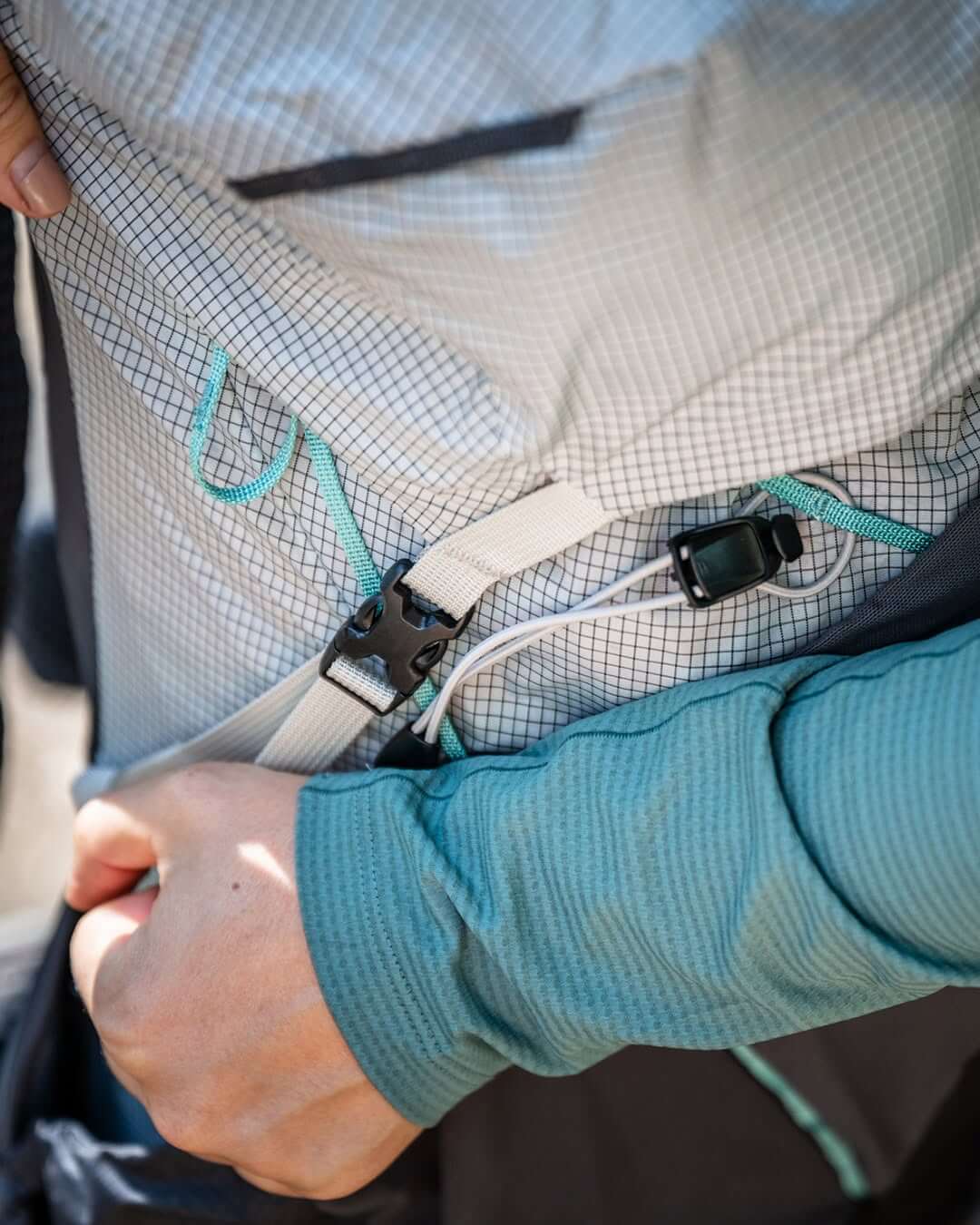
Fast hikes and mountain ascents, long (even multi-week) lightweight treks, mountain running.
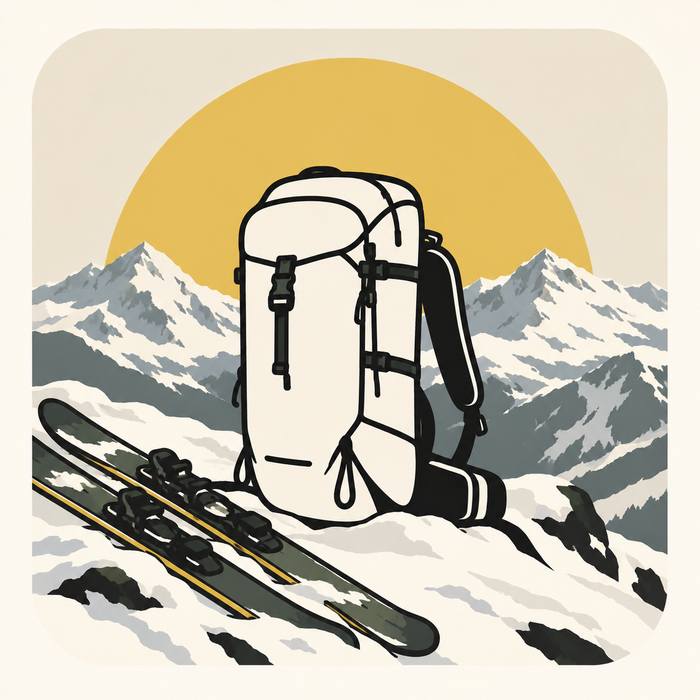
Ski touring, freeride, splitboarding, ski traverses, snowshoe trips.
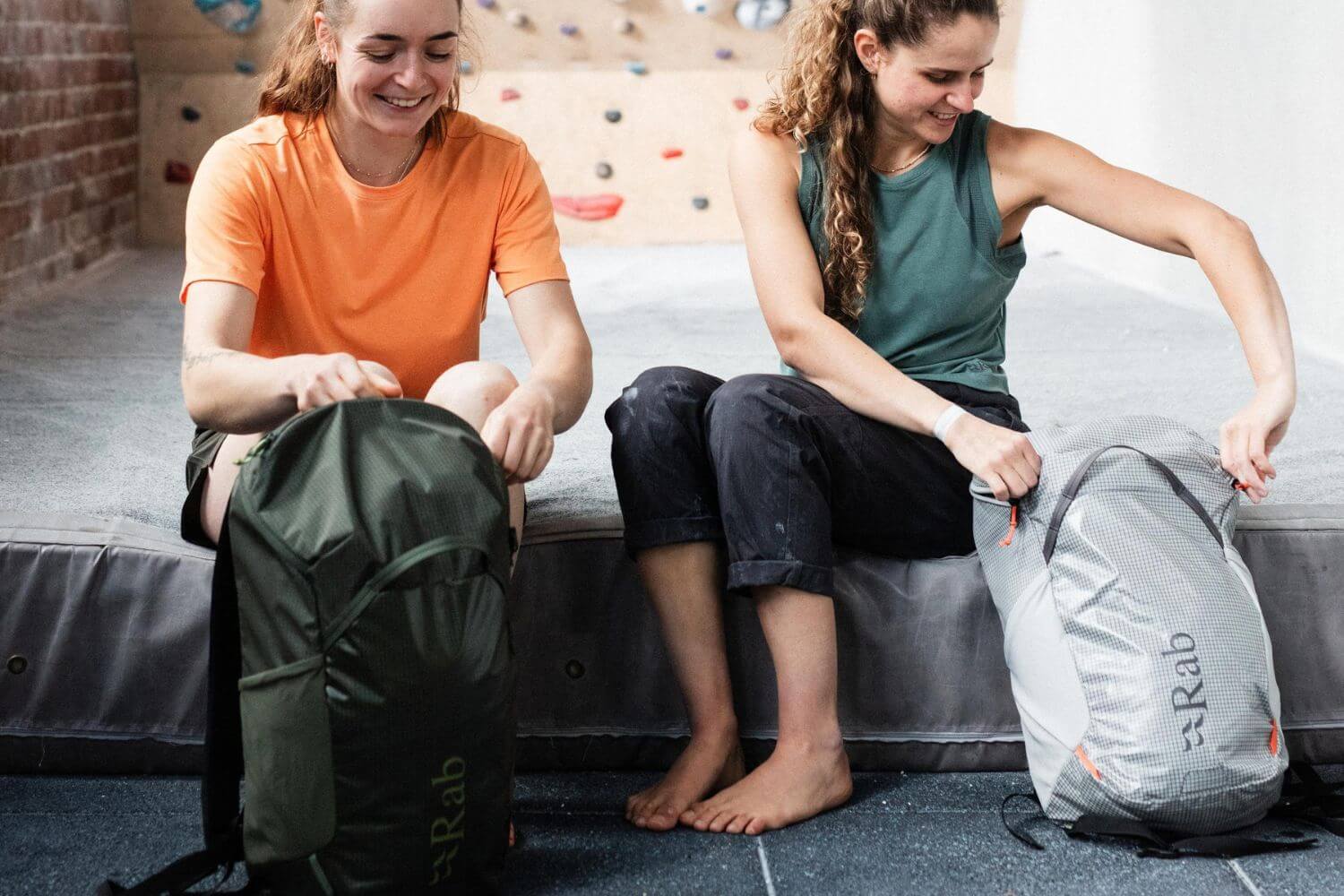
Everyday city life, trips to the climbing wall, less demanding outings into nature.

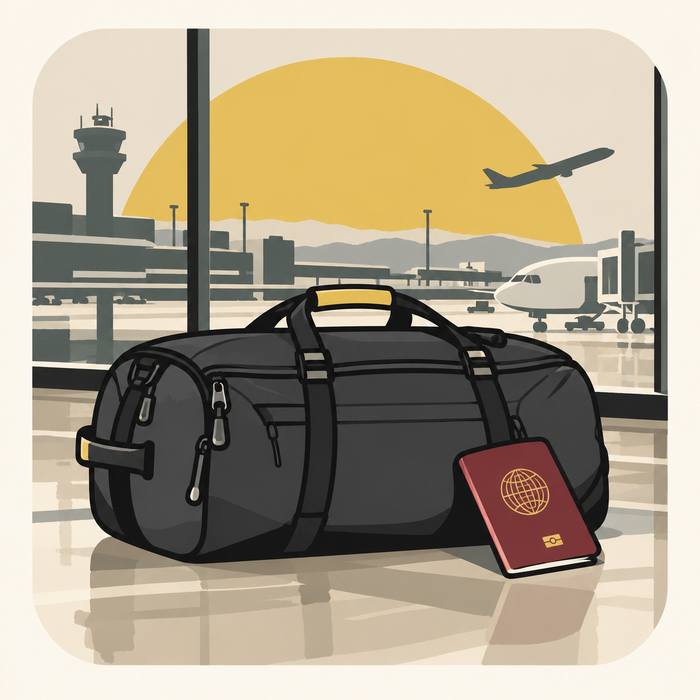
Hauling gear for a trek, expedition or mountain trip. Travelling in tough conditions.
You can have one specialist pack for every activity. Running, skiing, climbing… Perfectly tuned in every respect – and you still won't be happy if you don't understand how to adjust it properly. What each strap is for and how to pull it so it actually helps – find out in this part of our Advice section.
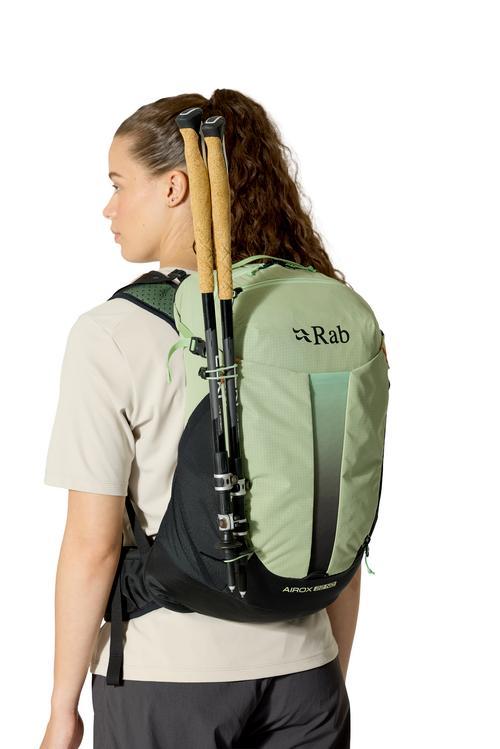
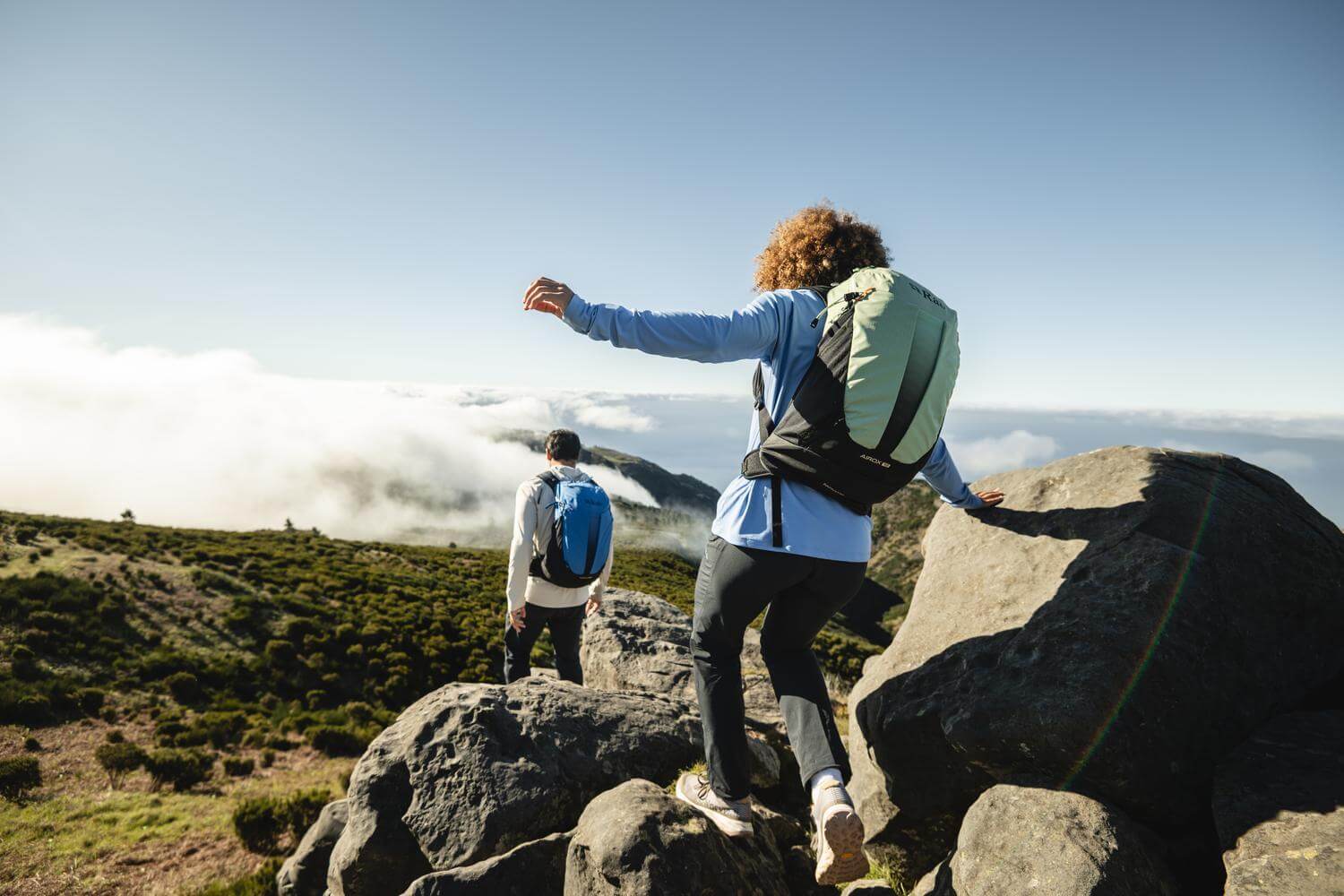
If you're looking for a truly all-round pack, this is probably the category. We're talking about packs you can take around town, to the wall or on the bike after work, and to the mountains at the weekend – for a hike, a via ferrata, even the odd ski-touring climb (though it may not be quite the real deal).
Day pack volumes reflect what you'd pack for a single day, so 15–30 litres. They usually have a well-ventilated back panel, fairly low weight and plenty of pockets and loops on the outside. But they're not built for heavy loads – they tend to have lighter straps, a slim hip belt and less stiffening.
Phone, tissues, water, a fleece, a snack bar – you're always pulling something out of it. That's what a day pack is all about. That's why it usually has a wide opening to the main compartment. Mesh side pockets and ideally a stretchy front pocket. Pockets on the hip belt, maybe on the shoulder straps too. And of course, pole loops.
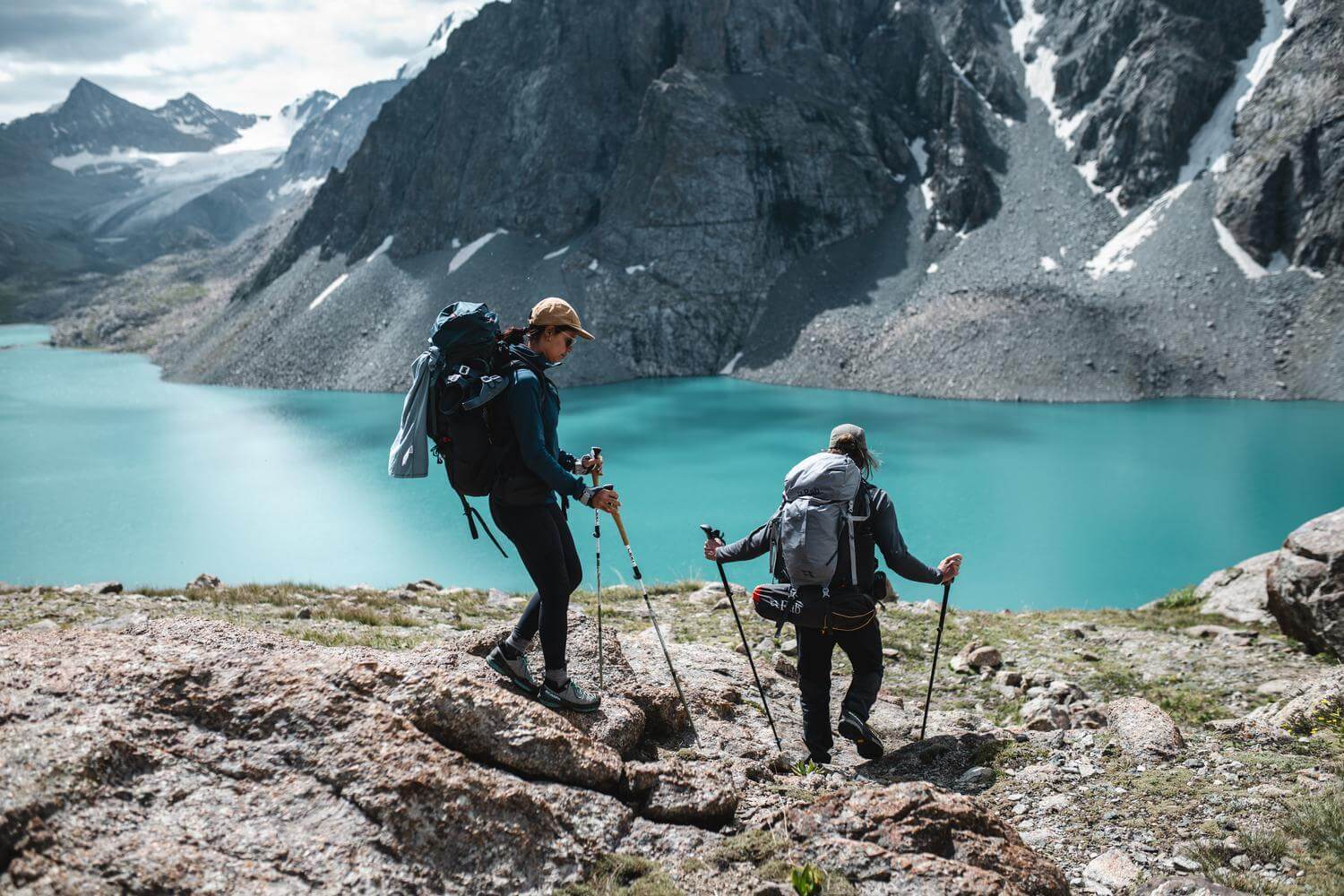
Carry a lot of stuff, for quite a long time, without it being a pain. That's the idea behind a multi-day pack – a hut-to-hut mountain traverse or a weeks-long trek through the wilderness. It's a load hauler – and that's also why low weight (usually) isn't its strong point. Above all, it has to be tough.
Volume ranges between 30–60 litres. And if you're carrying your sleeping kit, cooking gear and supplies, it can climb to 80 and more. The carry system is sophisticated, the back panel adjustable and the straps padded. Materials are durable, the load can be split between two compartments and you stabilise it with compression straps so it doesn't shift as you walk.
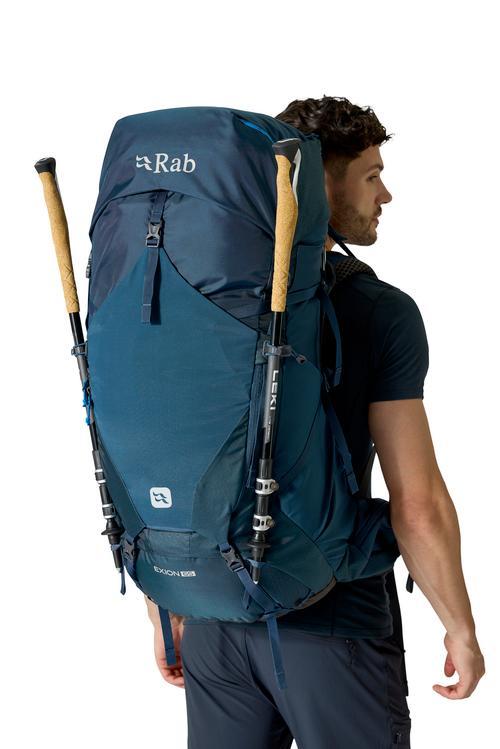
This pack has to fit – to spread the weight of the load across your whole body. A wide hip belt transfers some of the weight to your hips. Load lifters in turn pull the pack closer to your body and help with stability as you walk. Everything is ventilated and padded – so the straps don't dig in even after long hours. And the back panel can be adjusted to your height.
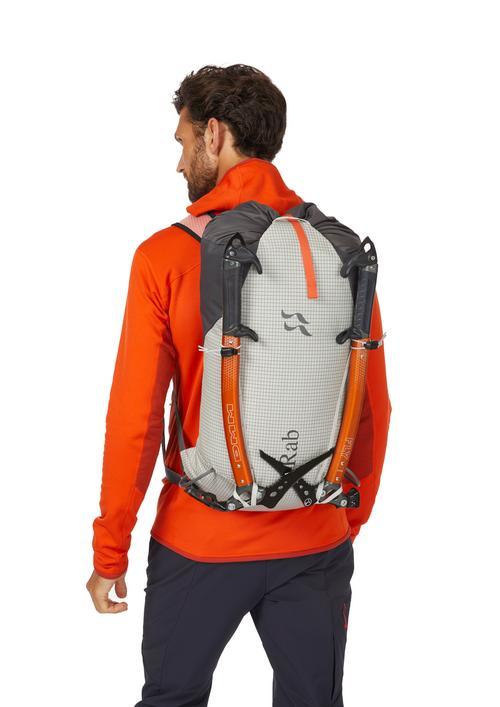
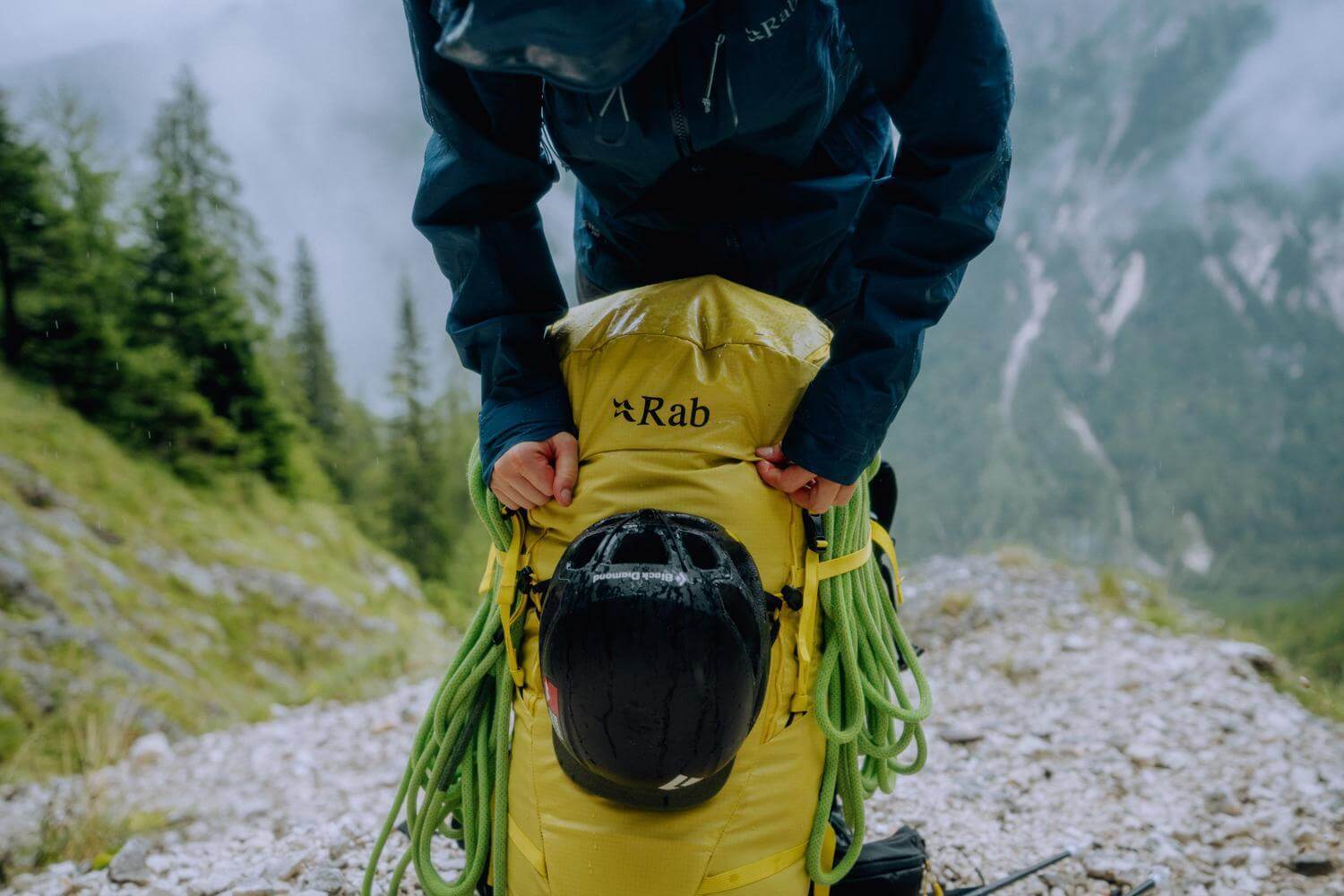
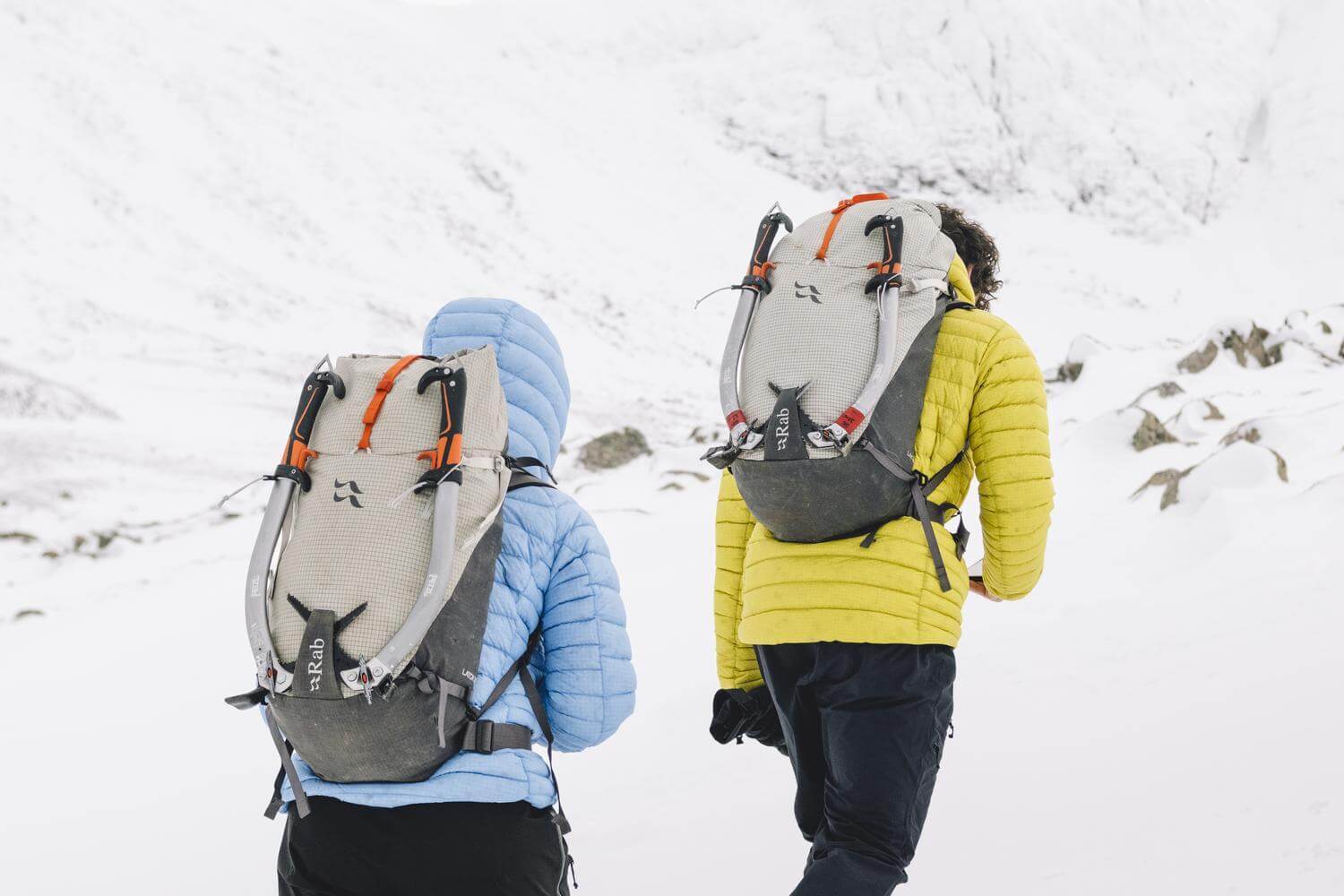
No frills. The main thing is that it gets in the way as little as possible, takes a beating and ideally doesn't weigh much. With a mountaineering pack, how it climbs matters far more than how it walks. And what it's made of really shows when you move vertically – on multi-pitch, ice and mixed climbs. Or on a via ferrata.
A mountaineering pack is usually 25–45 litres. A compact shape helps stability while climbing. The hip belt can be removed – so it doesn't get in the way when you're wearing a harness. And don't expect a zillion pockets – just one compartment, lid pockets, ice axe loops, rope straps, maybe ski carry. Done, that's enough. Material? Tough, of course.
It'll put up with scraping against sharp rock, snow, rain and the worst the mountains can throw at it. And when you're fighting your way up a face, you really don't want to worry about your pack. That's why it uses materials that don't wear through easily and can handle moisture. And that's why you won't find any bits and bobs on it. Just what you really need – and nothing that could break.
A category of its own. Probably not for everyone. Because although a pack like this weighs next to nothing, it has its limits too. Unlike a classic hiking pack, it's stripped right back – so it's more prone to damage. On top of that, some comfort and organisation features are sacrificed on the altar of low weight and fast movement.
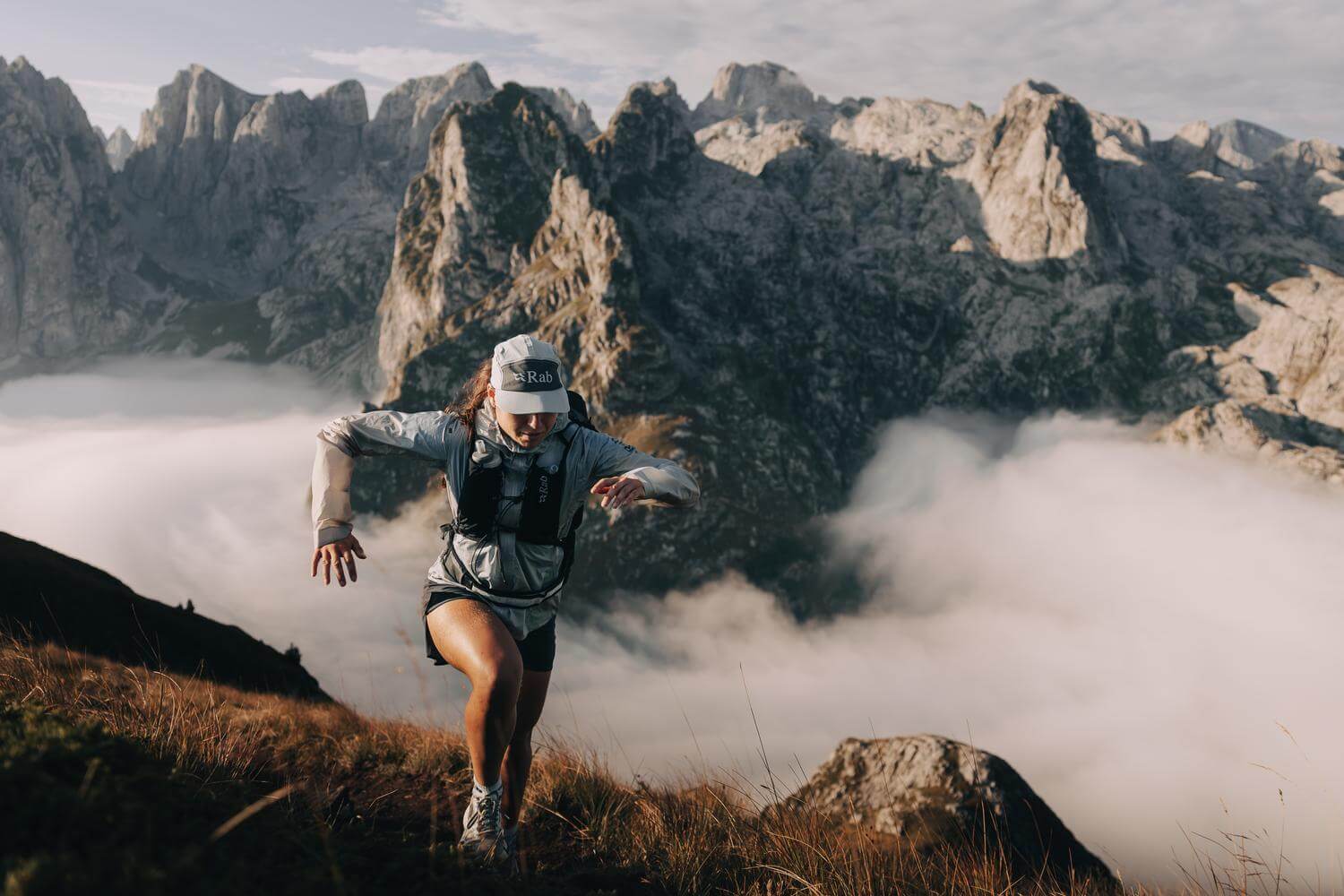
Ultralight packs come in all sizes. From a running vest to a 50-litre pack for a weeks-long hike. When you need something, you often don't even have to take it off your back – everything is right to hand in the pockets on your sides and chest. The carry system is shaped like a vest – so the pack hugs your body and doesn't bounce. You can drink from soft flasks on the move and the back panel breathes well.
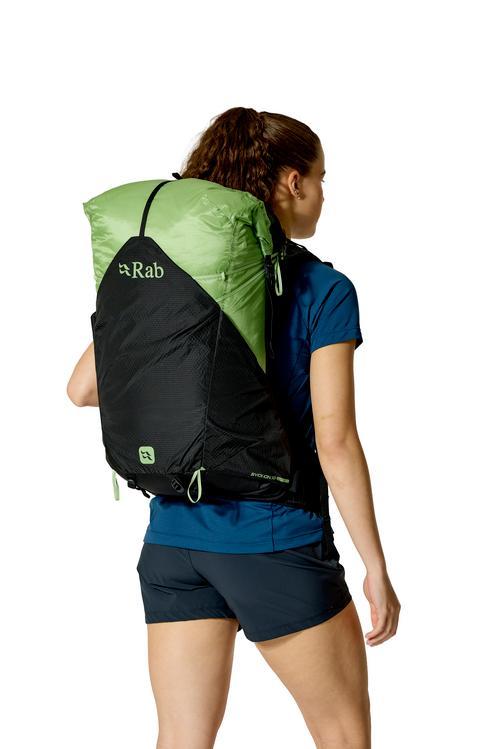
Every feature you know from a classic pack is cut in half here. Outer fabric? Like silk. Bungees for trekking poles? The thinnest possible. Zips? Only where they're essential – and even those are slim. But with one compartment and no back stiffening, you have to think when you pack. If you just chuck everything in, it'll drive you mad.
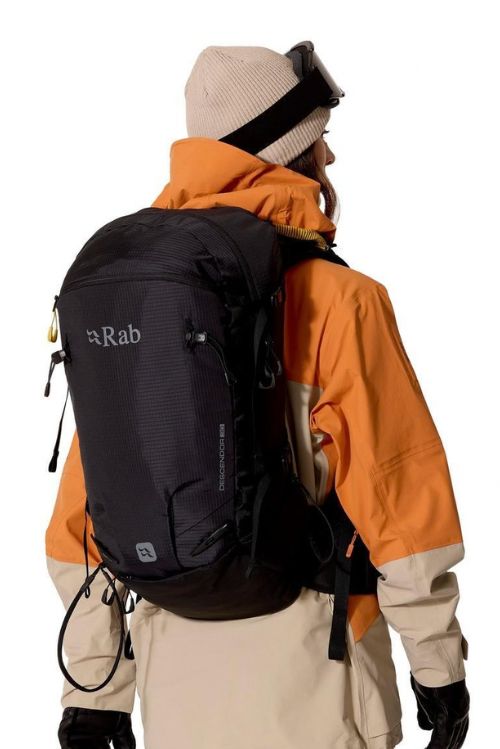
A lot is asked of this pack. Snow, frost, moisture – the materials have to be built for all of it – so your buckles don't crack on the mountain and your fingers don't freeze when you try to dig out your flask. It also has to sit perfectly on your back – especially on the descent, you mustn't even know it's there.
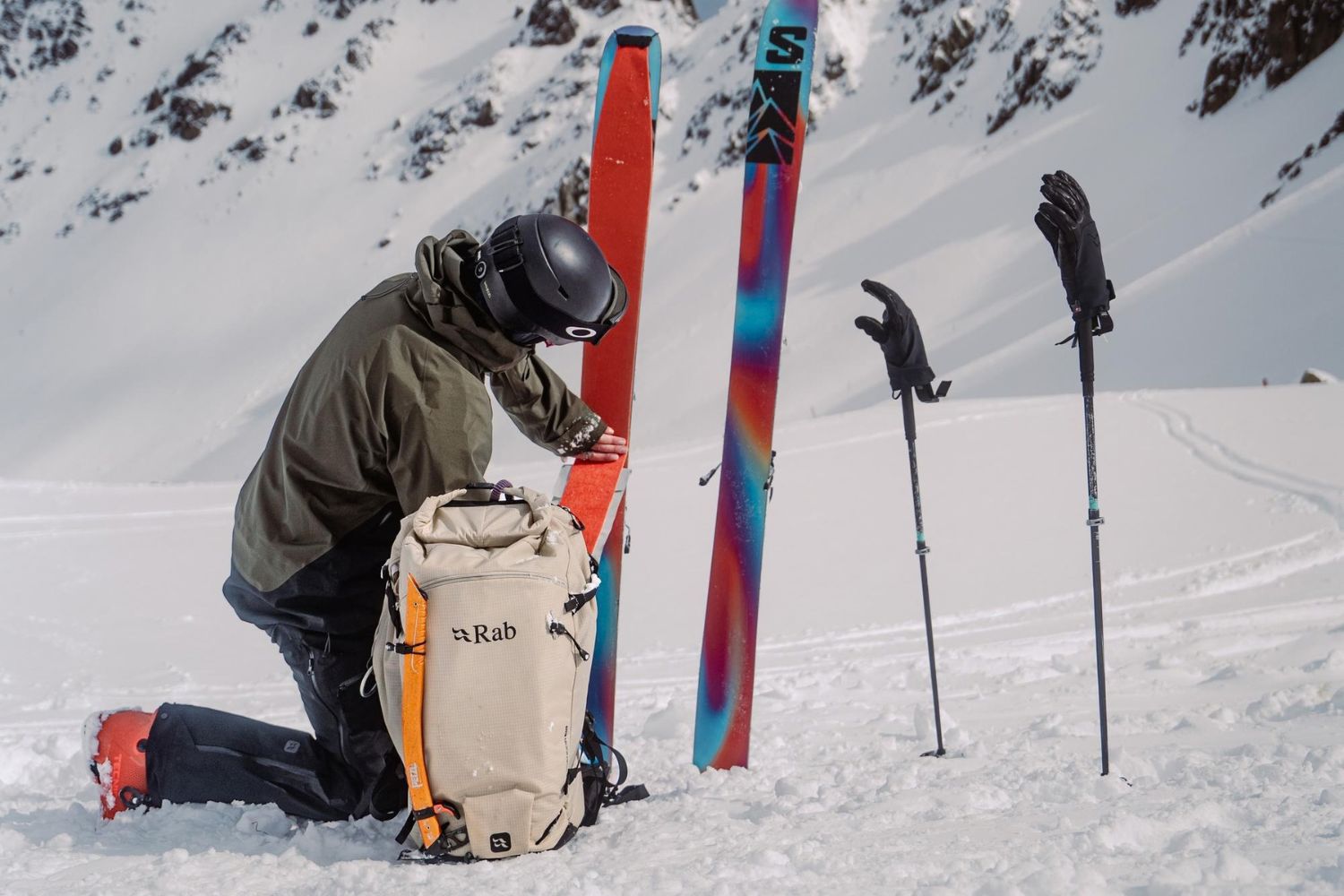
A ski pack holds 25–35 litres. Bigger ones are made for ski traverses. Every ski pack must carry plenty of gear as standard – avalanche kit, dry clothes, plus an ice axe and helmet on the outside and, when needed, skis or a snowboard too. Besides durable material and a back panel that snow doesn't stick to, there's another important aspect – everything must be operable in gloves.
When the sun is shining and there's no wind, it's a breeze. But how often does that happen in winter? That's why every zip, every loop and every buckle has to work in gloves. And to make it even easier, ski packs often have a back-panel opening – so you open them like a suitcase. Avalanche gear has its own quick-access pocket. And the main buckles are usually metal.
Even a tram can be a wild place. So a city pack has to be tough. It has to stand up to rain and wear and tear. At the same time, it shouldn't look like you're heading for the North Face of the Eiger. That's why it combines the best of its mountain role models (durable materials and back panel) with a discreet look that won't cause a stir in a fancy café.
City packs range between 15–30 litres. They usually have a compact shape with nothing sticking out – don't go looking for trekking pole loops. The shoulder straps and comfortable back panel, on the other hand, are where they come close to technical packs. But where they really stand out is the layout of the interior.
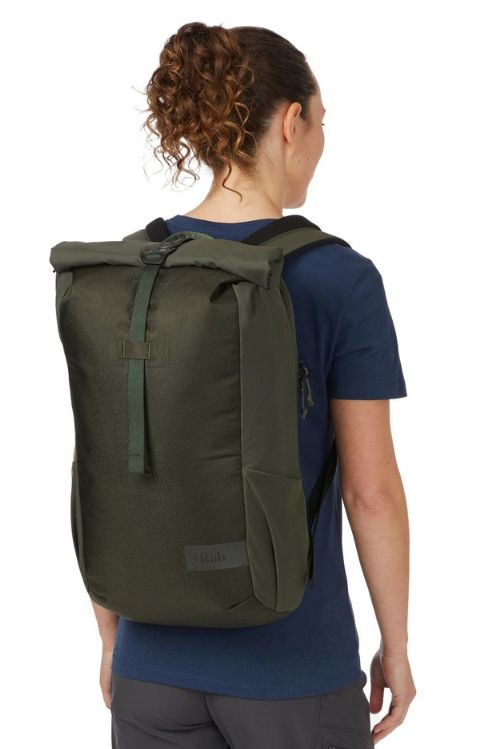
A separate laptop sleeve is a basic feature of city packs. And some even have it sealed watertight. Handy when the rain is running down your neck. On top of that you get plenty of other pockets and organisational tricks – slots for pens, a tablet or notebook, phone, cards and so on. And everything is easy to reach.
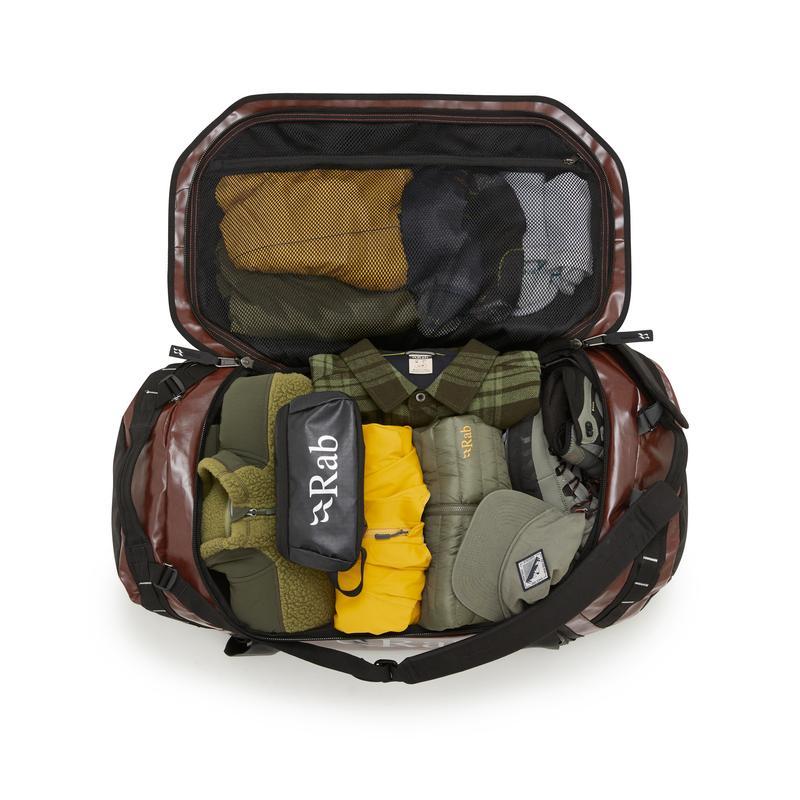
Really something between a bag and a backpack. In looks and organisation it's mostly a bag. But it's built so you can carry it fairly comfortably on your back – like a pack. Of course, you won't trek all the way to base camp with it. But from the airport terminal to the bus it'll be fine. And then you can strap it to a yak.
A kit bag ranges from 30 up to 120 litres. That fits quite a bit. The design is simple and the material tough – so not even airport baggage handlers can wreck it and you can travel without worrying about what's inside. Often you just get one big, easily accessible main compartment, with at most one zipped pocket inside.
You can fling it onto a bus roof among all the other junk. You can drag it through the dust of Pakistani roads. And, after all, you can even strap it to that yak. The handles and straps are rock solid, the outer material survives just about anything. Including a bit of damp. And the zip is solid too – just in case, you can secure it with a travel padlock.
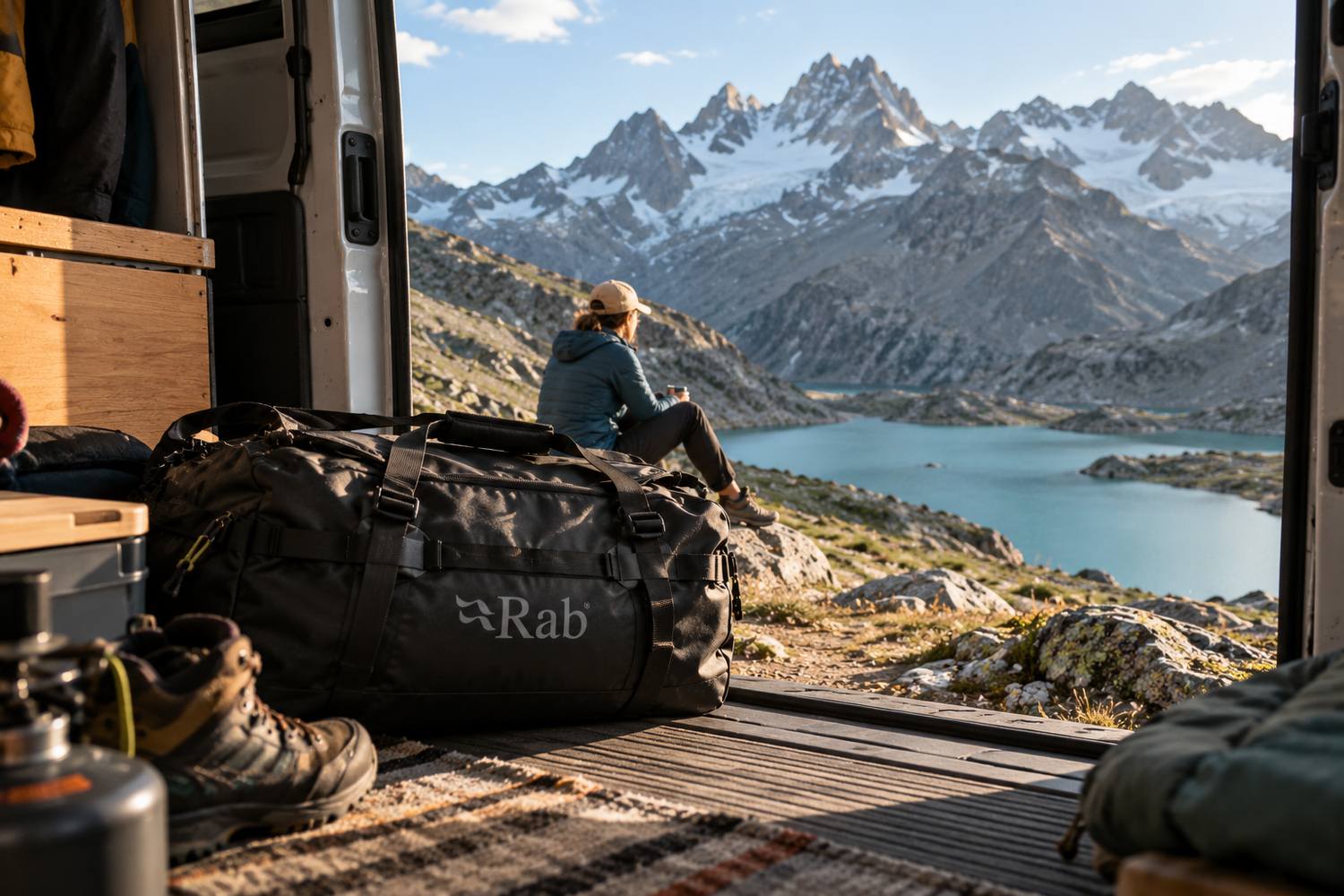
Some packs can be pretty versatile. The mountaineering one, for example. It's great for via ferratas, you can strap skis to it too, and why not take it on a hike or a hut-to-hut traverse? Even though its back panel isn't as well ventilated as, say, a day pack's.
In the end, every pack hits its limit somewhere. It'll be great for some activities and weaker for others. So it's up to you how much comfort you're willing to sacrifice – and where you decide not to compromise and get a pack whose design matches exactly what you want from it.


