
At home we have a clear idea of how the world works, how things get done, how people behave and how we should look after ourselves. But all of that is just a bubble. The real world is completely different, and it teaches us a lot about ourselves.

Islam is bad. Russians are scumbags. Americans are full of themselves. And black men have big penises. Apart from the last one, which I haven't verified, none of it is true. But we live in Czechia - a monocultural country in the middle of Europe where we somehow have a deep-rooted fear of anything foreign. An unfounded fear, though. As soon as you travel beyond Europe, you discover that people just like us live everywhere. With much the same joys and worries. In 99% of cases kind and good. Maybe even better than back home. People who are helpful, welcoming and quite happy to invite you into their homes and look after you like an honoured guest.
Women go about covered up, you mustn't touch children's heads and banknotes are always handed over with both hands? That's their custom - just like our beer drinking. Let's respect it and adapt. Each of us was born into our own world, and it taught us to live by certain rules. And there's no single set of correct rules for the whole world. There's only tolerance.

When you pack a small rucksack and travel with it for months around Southeast Asia, or wander through Kyrgyzstan for a few weeks, you find out how many things you can suddenly do without. In countries where people live in tin shacks and children play with an old plastic spoon found in the roadside ditch, you learn to value what you have.
And actually... are we missing anything? Given the minimalist packing and the low living standards of the locals, we come to realise that satisfaction doesn't come with the latest iPhone. On your back, one or two clean T-shirts, a toothbrush, a camera, a book, a notebook and the essential mountain gear. Your shoulders won't carry any more knick-knacks. And with that experience behind you, once you're home you can get rid of half your clothes and 90% of the junk on your shelves. And maybe the shelves too.

Here we live in a spotlessly clean environment. We recycle plastics, shop package-free, drink coffee from reusable cups. Commendable, but (almost) pointless. Environmental problems are far more tangled than they look from our Central European vantage point. For a start, it might be enough to cancel the weekly bin collection and let the rubbish rot outside the house for a few months. Just so we could see what pigs we really are.
Nothing against paper straws and eco bags from Lidl. Every little helps. But when, in the waves of the Vietnamese sea, plastic bags keep brushing against your body, you realise you won't save the planet from Czechia. You clean up a stretch of beach, and after the next tide it's as if you'd done nothing. A Thai finishes his cola and tosses the bottle into the bushes. You can tell which textile colour is in fashion by the colour of India's rivers. And have you seen the Aral Sea? No, you haven't. Because 90% of what was once the fourth-largest lake in the world was sucked dry to irrigate cotton. It's called an ecological disaster.
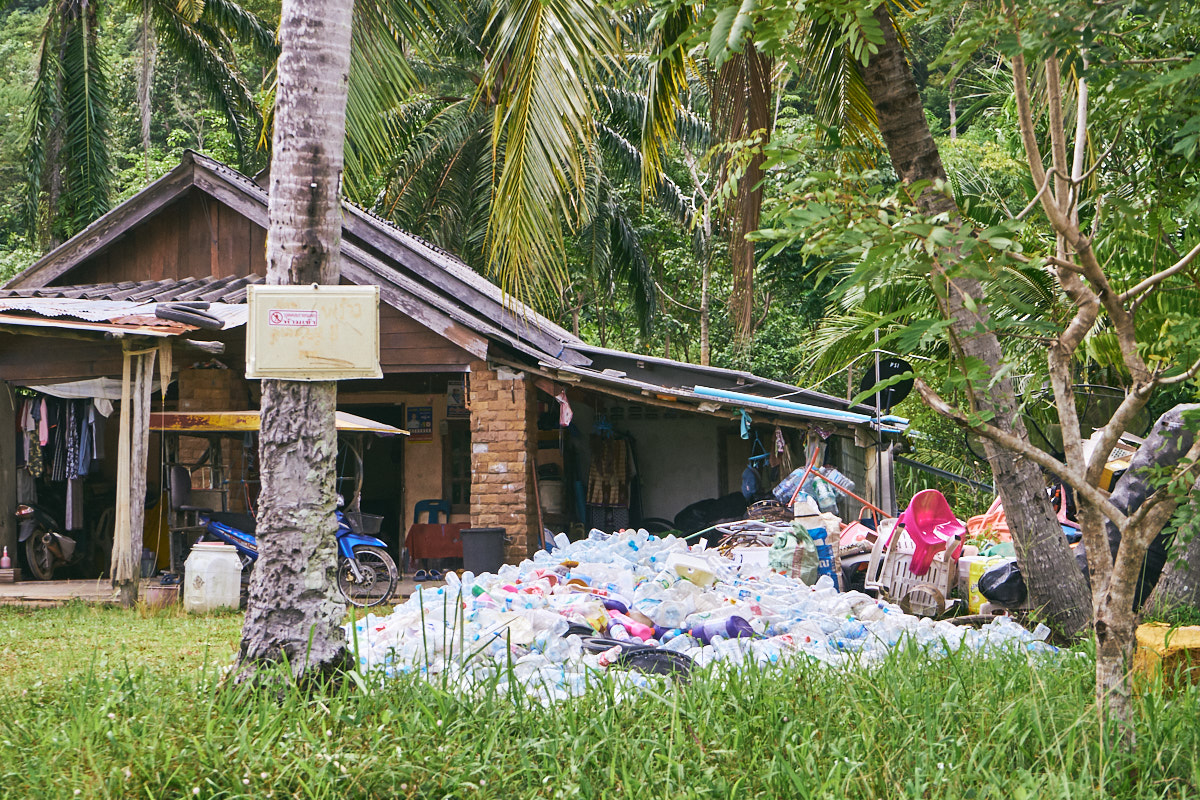
Once you see these problems with your own eyes, skipping the plastic lid on your takeaway coffee starts to feel utterly marginal. And maybe you'll start looking for other ways to help save the planet. Like not buying that coffee at all.
In the evening you rinse off at a spring or in the snow on a glacier. Your skin gets by without body lotion before bed. And when you come down from the mountains into the valley, you have a proper bath in the river. And lo and behold! Even without soap and shampoo your body will be clean and your hair healthy. Nature designed our bodies perfectly, and plain water is absolutely enough for hygiene. On the road and at home. Soap dries out your skin, which is why you then need the body lotion. And what your body takes in, it also gives off. So if you don't eat processed food and other nasties, you don't smell.
Clean mountain air does wonders for your health too. Better than the whole pharmaceutical industry. And after a few weeks of eating street food in Asia and sleeping with cockroaches, you stop minding when a bit of your roll drops on the ground under a rock or a spider nests on the ceiling. It's nature, after all, and a bit of dirt is good for your immune system.

Whether in the streets of Phnom Penh or in the middle of the Caucasus, there probably won't be anyone around to solve your problems for you. You need to open your mouth and take your fate into your own hands. People are kind everywhere - especially to foreigners in trouble - and even if you don't speak their language, that's no problem. Hands, feet and gestures work all over the world. And up there in the mountains, where you have to cope entirely on your own? Hopefully you didn't set off with no experience at all, and now is the time to put it into practice. Just no heroics.
Travel toughens you up. It teaches you to talk to strangers, which can come in handy at a party back home too. It gives you self-confidence and teaches you an independence that is becoming quite a rarity in our society.

You sit in your tent for two days waiting for better weather. You chill with a family in one of four inhabited houses in the middle of the Caucasus - no running water and cut off from civilisation by snow. Your only concerns are what you'll eat, where you'll sleep and whether you'll be warm. You wander around Thailand, where time is a relative quantity and nobody knows when the train will leave. And nobody cares, either. It'll leave. Sometime. And then you land back in Prague - among those lunatics running up the escalator so they can hurry up and sit in the traffic jam to Brno.
Phew! Will you join them? No? Maybe travel will teach you to slow down at home too, and to accept that you can rush as much as you like and you'll still never catch up with everything. The only thing you'll catch is a heart attack.
So? Travel while you can, I guess!


Picture a traverse of the Brenta. This range above Madonna di Campiglio is a world of its own – rock towers, scree gullies and small glaciers. And right across the Brenta runs one of the oldest protected climbing routes: the Via delle Bocchette. If you want to cross the whole range from north to south, it'll take you at least 4 days, during which you never drop below 2,200 metres, with climbing on rock and ladders, steep descents over scree and several glaciers and snowfields along the way.
You could set off in ankle-high hiking boots. They'll be fine on snow and scree. But climbing the via ferrata up to 3,000 metres on Spallone dei Massodi in them gets tiresome. So do the 150 metres of ladders on the Sentiero Oliva Detassis. Then again, you're hardly going to carry a second pair of shoes for four days in the mountains. And that's exactly the kind of trip the Asolo Freney Low GV is made for.

These low trekking shoes – or approach shoes, or via ferrata shoes if you prefer – are derived from Asolo's featherweight mountaineering boots, the Freney XT. In fact they share almost the same construction; they just lack the high cuff and the rear crampon welt. Otherwise they keep the beefy rubber rand all the way round and the maintenance-free Kevlar fabric from Schoeller.
And it's these two things that turn the Asolo Freney Low GV into a tank that scree fields or sharp limestone certainly won't hurt. Add a waterproof Gore-Tex® membrane and you can move straight onto a snowfield and carry on to the seemingly unreachable Bocca d' Ambiez pass at almost 2,900 metres above sea level.

Before you reach the pass, though, there are several protected climbing sections. Naturally, this is home turf for the Asolo Freney Low GV. The soft Vibram® Mulaz sole grips even on small footholds, and thanks to lacing that runs right down to the toe you get a completely different feel for the rock than in heavy hiking boots.
But what the soft sole gives you on rock, it pays for on strolls through the streets of Madonna di Campiglio – walking on tarmac shortens its life. That's simply the price of grip.

Next comes a steep descent down a glacial moraine. In early summer it's usually still under snow, which you can happily slide down. But by August and September there's often just ice covered in stones and fine scree. You have to pick your line carefully, but the hiking-boot tread and sturdy construction of the Asolo Freney Low GV will keep you steady in these neck-breaking moments. Then it's just a matter of hopping across boulders that the glacier diligently dumped here over thousands of years, and soon you're kicking off your shoes on a little meadow above the Rifugio Brentei hut. And tomorrow morning, heading back down to the valley, you'll skip over roots and rocks as nimbly as a chamois – 490 grams is a breeze.

The Brenta is behind you. Without a single pang of longing for high boots. So where next in the Asolo Freney Low GV? A similar trip springs to mind – crossing the Julian Alps from Vršič to Triglav. Or climbing the Johann via ferrata up the Dachstein. Really, they suit any trip that promises genuine mountain conditions – rugged paths, climbing sections, protected routes, the odd snowfield or small glacier. That's why I also took them for two weeks in Kyrgyzstan.
Has it ever occurred to you, for example, that patting a Thai child on the head can be taken as an insult? Or that blowing your nose in public is utterly horrifying in some cultures? And that all those elephants carrying tourists are only so calm thanks to vodka?
Not only is travel not eco-friendly. Mass tourism without respect for local culture, people and nature is as disrespectful as if I came to your home, grabbed a beer from your fridge, threw my muddy boots on your carefully polished table and then peed in the corner of your living room. That's exactly how many people behave when travelling. Perhaps without even realising it. After all, we've paid for it all properly, haven't we?
Or…?
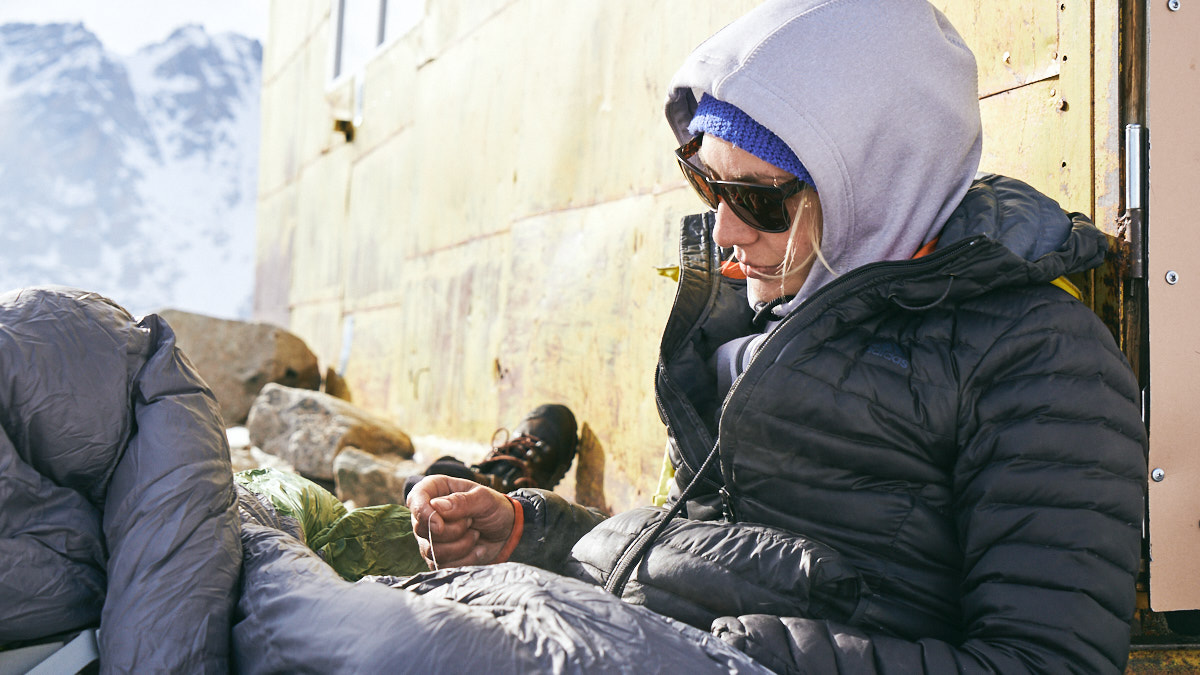
The home of the people who live there. And we enter it as guests. So forget the old Czech saying: "A guest in the house is master of the house." That little proverb must have been invented by exactly the kind of boorish visitor who hasn't got an ounce of decency to find out, before leaving, how to behave at their hosts'. And that's wrong. At best it leads to small faux pas that get laughed off. At worst you can genuinely offend the locals. So before you head anywhere, spend a moment studying local customs. The internet is full of information.
In Cambodia, for instance, you hand over money with both hands to show that you're giving the act your full attention and respect. In Thailand you won't find a knife on the table – it's a symbol of aggression – so you have to make do with a fork and spoon. In Muslim countries it isn't acceptable to show affection for your partner with passionate touching in public. And in Iran, a thumbs-up tells someone to go "somewhere".
These are things you don't think about at home. But when travelling you should. Unless you want to offend your hosts.
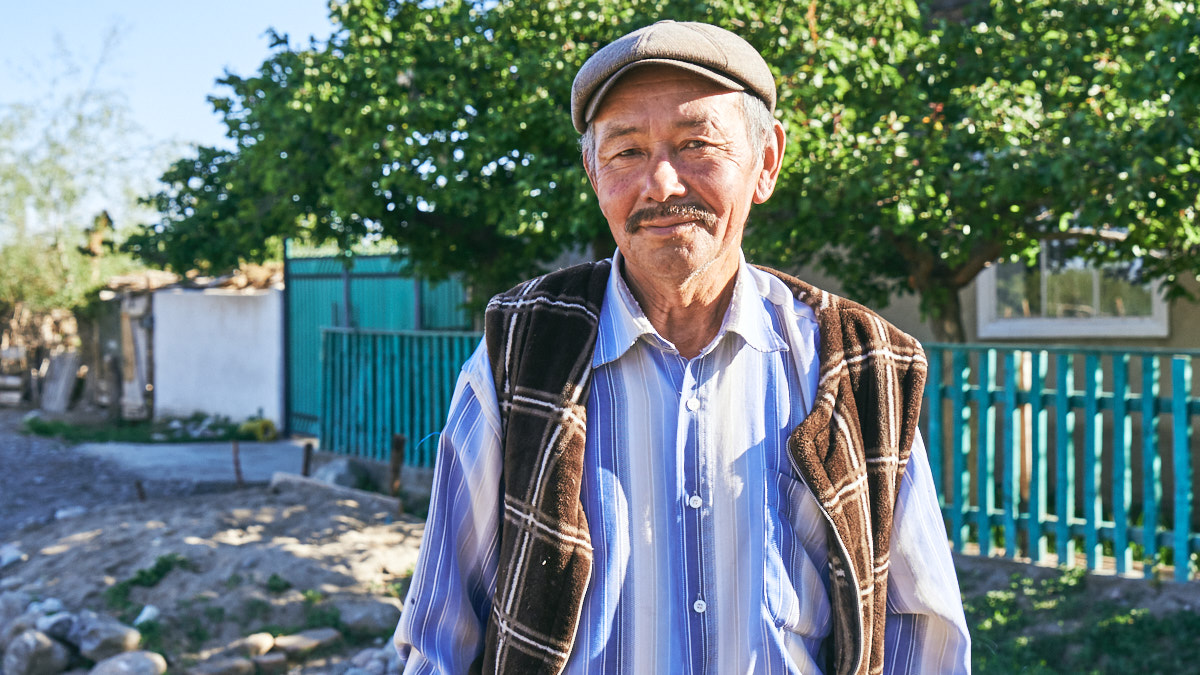
Learn at least a few basic ones in the language of the country you're going to stay in. Say hello, thank you, sorry, ask how someone is doing.
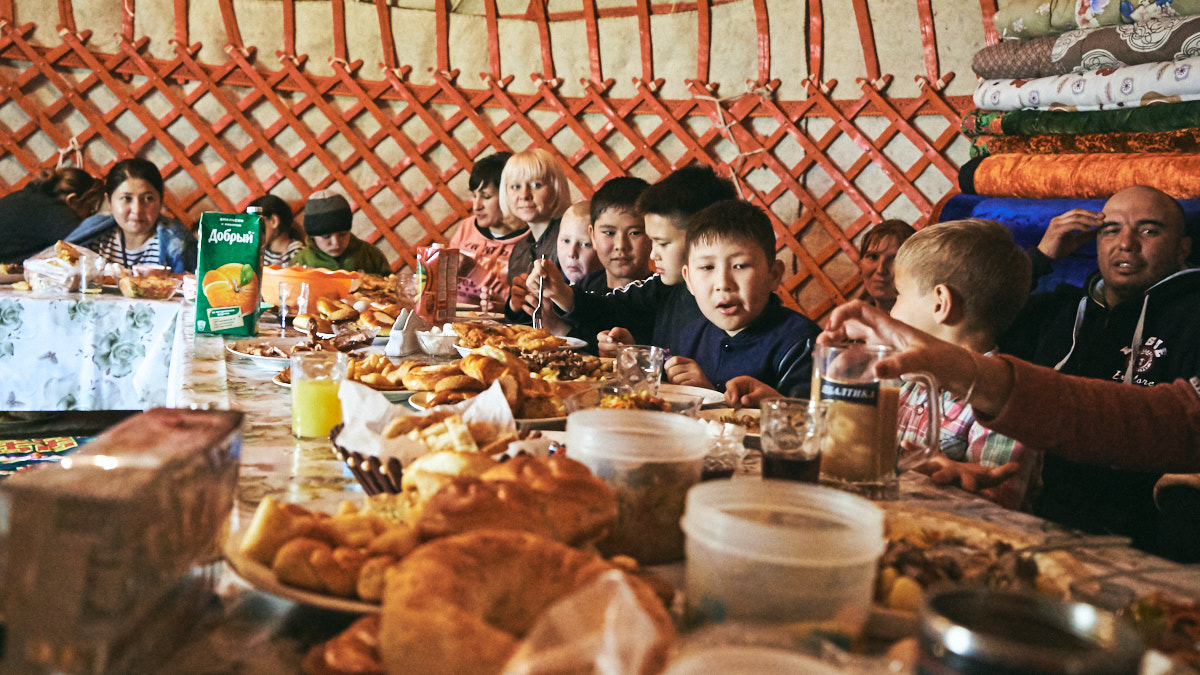
It doesn't matter at all that you won't be able to carry on the conversation. What matters is that you show your host respect and let them see you don't take the visit lightly. It'll simply make them happy. And it might open the door to an interesting experience. Like it did for us – dinner in a Kyrgyz yurt with a crowd of local kids and tables groaning under traditional food. And all it took was saying hello in something other than "Hello!"
A different place every day. Zip here, zip there. And you haven't been over there yet! The main thing is to see as much as possible. All of Lonely Planet's top 10 sights in 14 days. The silly thing is that this way you mostly visit only the most touristy places, which have little to do with the country's culture. They're riddled with commerce. Not to mention that such whirlwind travel also grows your ecological footprint.
Settle in one place for a longer time and get to know the local culture properly. So what if you don't see the whole country? You won't see it even if you rush. Besides, slow travel puts new – much more interesting – experiences in your path.
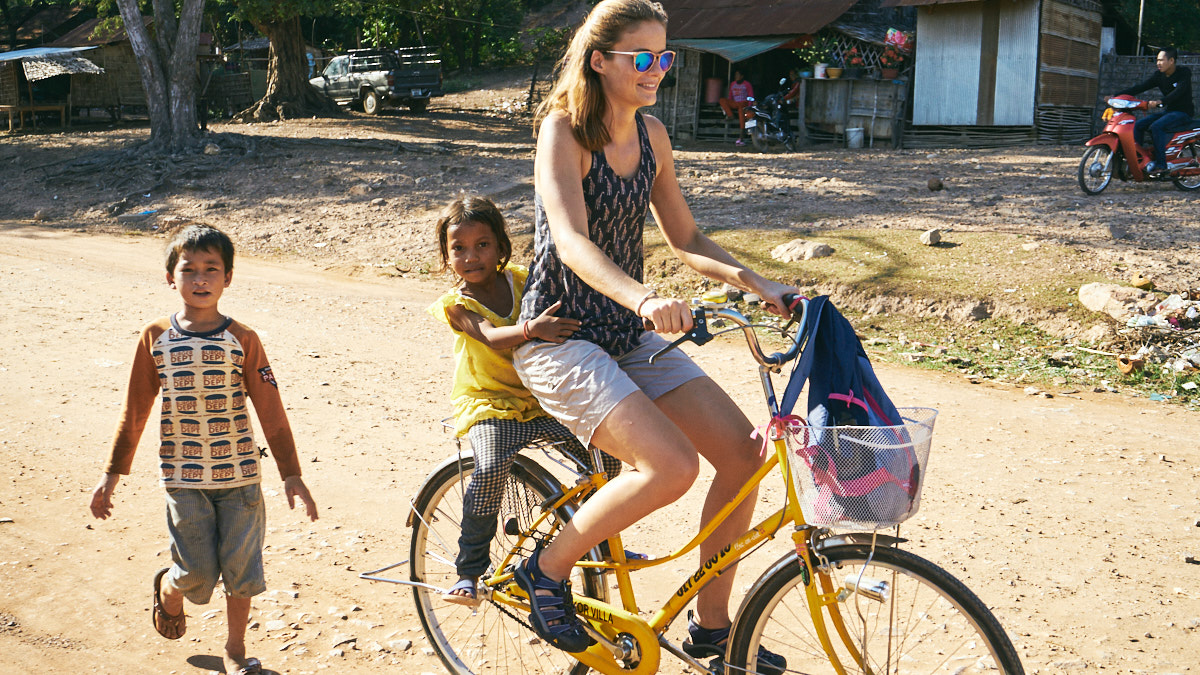
During our stay in South-East Asia, for example, we stayed about 10 days in each place. At that point you actually start living there and noticing things an ordinary tourist misses. And in the end a local family might invite you to their table for breakfast, where you'll learn how to properly enjoy their soup. Thanks to the long stay in one place, we could also cycle to places tourists never wander to. To a Cambodian "village" of corrugated-iron shacks, where you just stare at the poverty, and more than once local kids jump onto your bike and you spend half an hour riding them back and forth on the rack. I'll never forget that. And yet it's such a little thing, isn't it?
You can never buy authentic culture. Really, never. Unless you consider authentic the long-necked women in Thailand who'll take a selfie with you in exchange for a few dollars. Or children whose parents send them to beg among tourists instead of to school. That's called exploitation in the name of tourism.
Organised tour groups? You probably wouldn't want a coach full of tourists to stop outside your house three times a day and photograph you mowing the lawn, playing with your kids and having coffee with your wife. You get your instant dose of experiences, but those people lose their identity and privacy. If you really want a glimpse into the local culture, slow down and take it in.
And those begging children? Definitely don't give them any money. It won't help them in the future in any way, and those dollars may well end up in the hands of some local mafia. If the sight of those little ones breaks your heart, buy them food. But not money! If you want to support those people, there are other – more responsible – ways.
It's convenient that even in the most remote hole on Earth you can buy a Coca-Cola and sink your teeth into a "cheeseburger" at McDonald's. But with these purchases you're only supporting huge multinationals whose sole aim is to maximise profit regardless of the world around them.
Instead, try ducking into a street stall where a lady will rustle up the best noodles you've ever eaten for 25 Kč. Guaranteed local, too. Instead of a Starbucks coffee, you'll just have tea, the traditional drink of that country. And you'll swap a four-star hotel owned by some wealthy European for a little room right in a local's home. Airbnb is full of such "guesthouses". Your money will help the locals to a slightly better life, and your experiences will be all the more intense. And more authentic.
Get a 725 Kč credit for your first Airbnb stay. Here >>
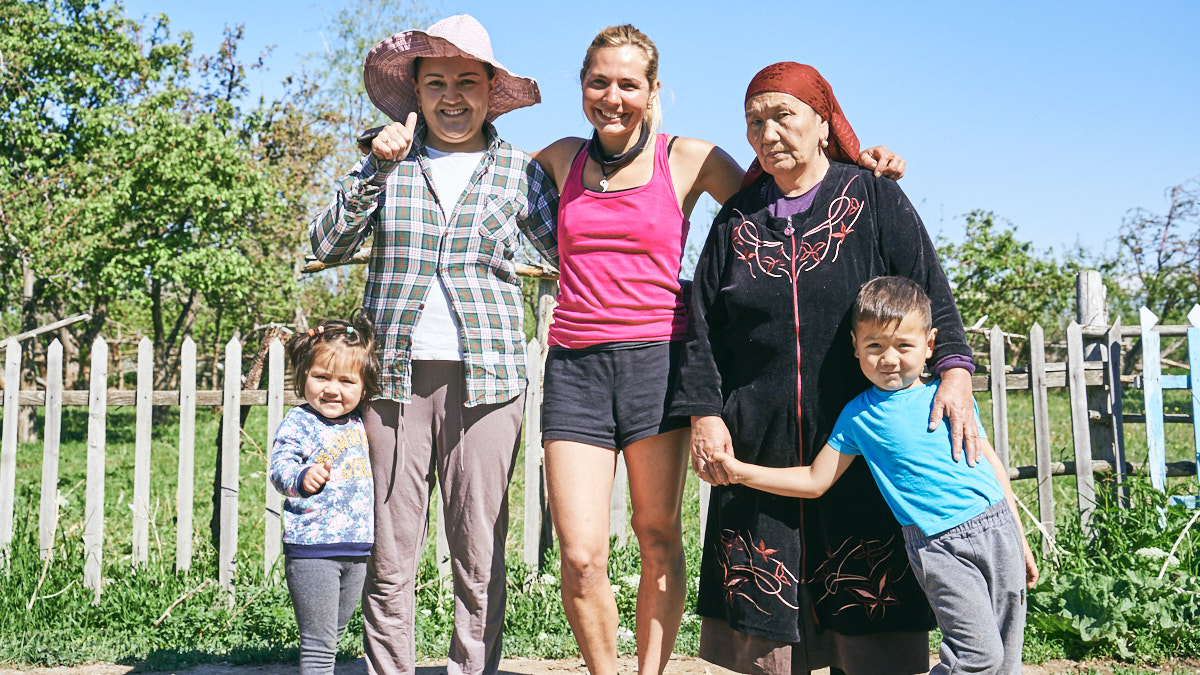
In Thailand I saw an elephant by the road dancing to the rhythm of some music... which wasn't actually playing. It had just been trained to do these antics. That's called animal cruelty. Just like chained monkeys you take a photo with, cuddling tigers or chasing turtles while diving. Would you like it if someone did that to your dog?
No, this really isn't OK. Animals deserve a dignified life, not playing the fool for people until the end of their days. The only way we can stop this is to avoid such attractions. So you won't get to stroke a tiger. So what? Will you miss it in life? With our money we show how responsible travellers we really are.
And souvenirs? Did you know that civet coffee has nowadays become one big scam, and the poor civets live in tiny cages where they're stuffed with coffee beans non-stop, just so tourists have something to buy? Yet THE real civet coffee is all about wild civets choosing only the very best beans, which is why the resulting coffee is so good. Their digestive tract has no effect on the taste of the coffee.
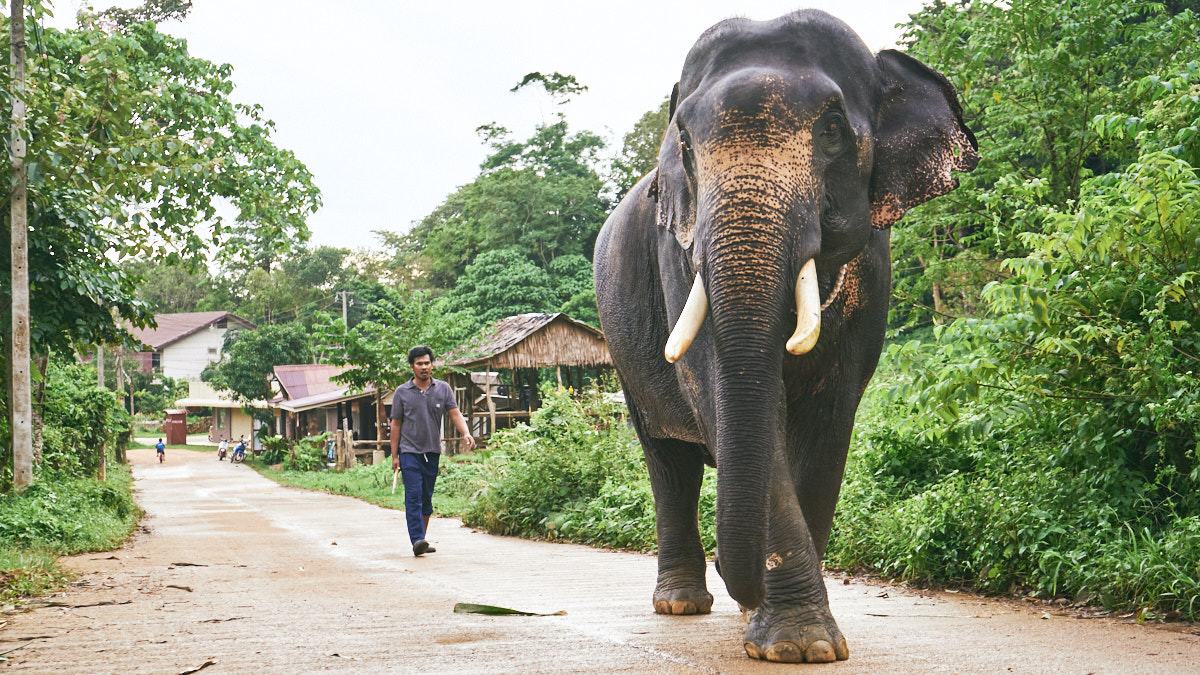
Three parts, each on a different topic. Yet they have one thing in common – responsibility. Let's behave on our travels the way we'd want visitors to behave in our own home.
Travel slowly, minimise transfers and use the most eco-friendly means of transport possible. Read the full article >>
Minimise your consumption and the waste you produce. Especially in countries that can't deal with waste. Read the full article >>
Treat local people and their customs with respect and steer clear of tourist traps.
Postscript: None of us is perfect. Not me, not you. And we never will be. But every little change we make in our lifestyle contributes to a better, cleaner planet. Do what you can.
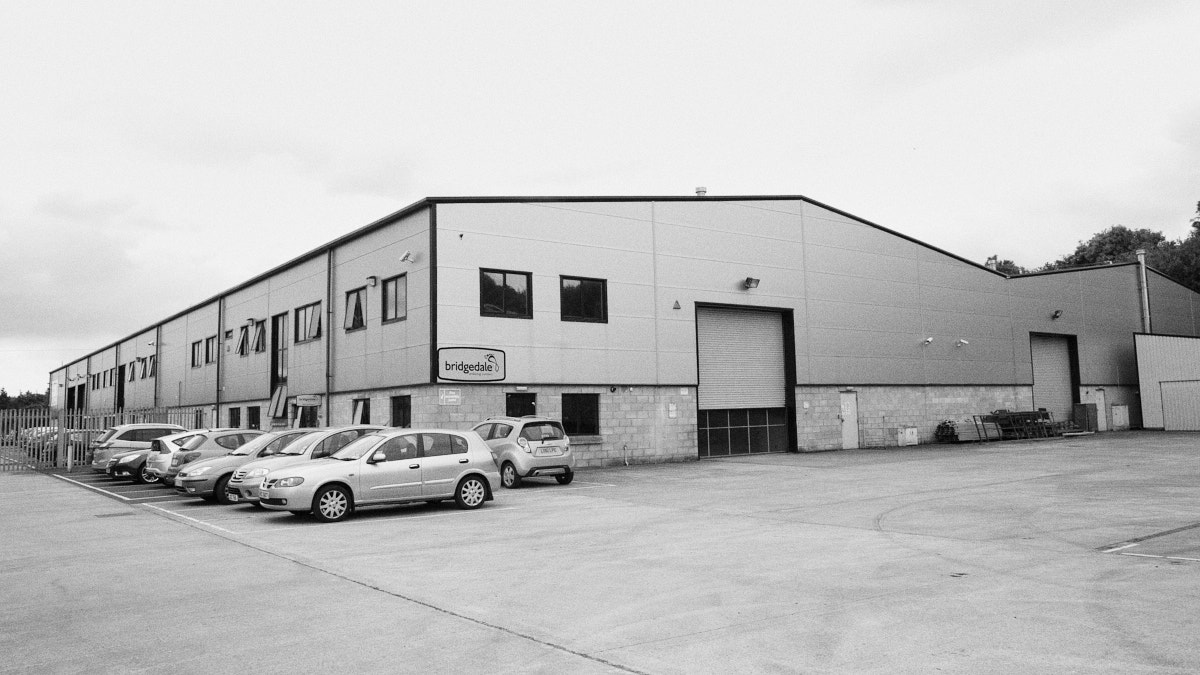
German troops have occupied neutral Belgium, and Great Britain is entering the war alongside France and Russia. For the next four years, the little town of Newtownards will mainly be making socks for soldiers heading to the front.
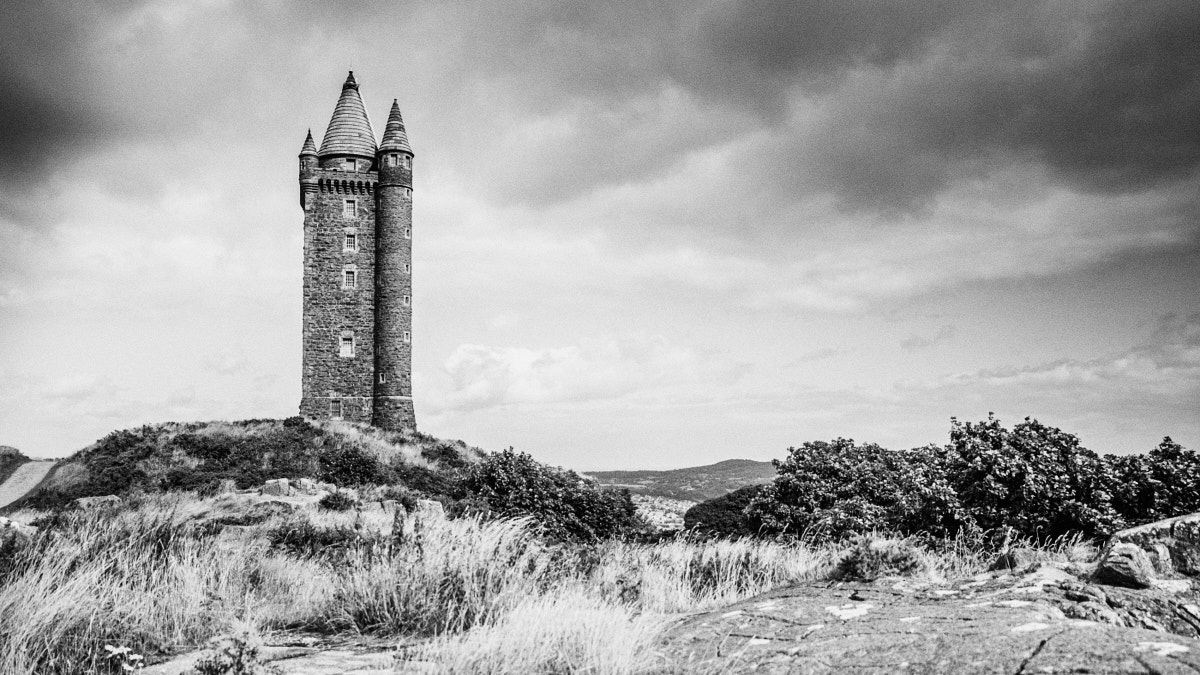
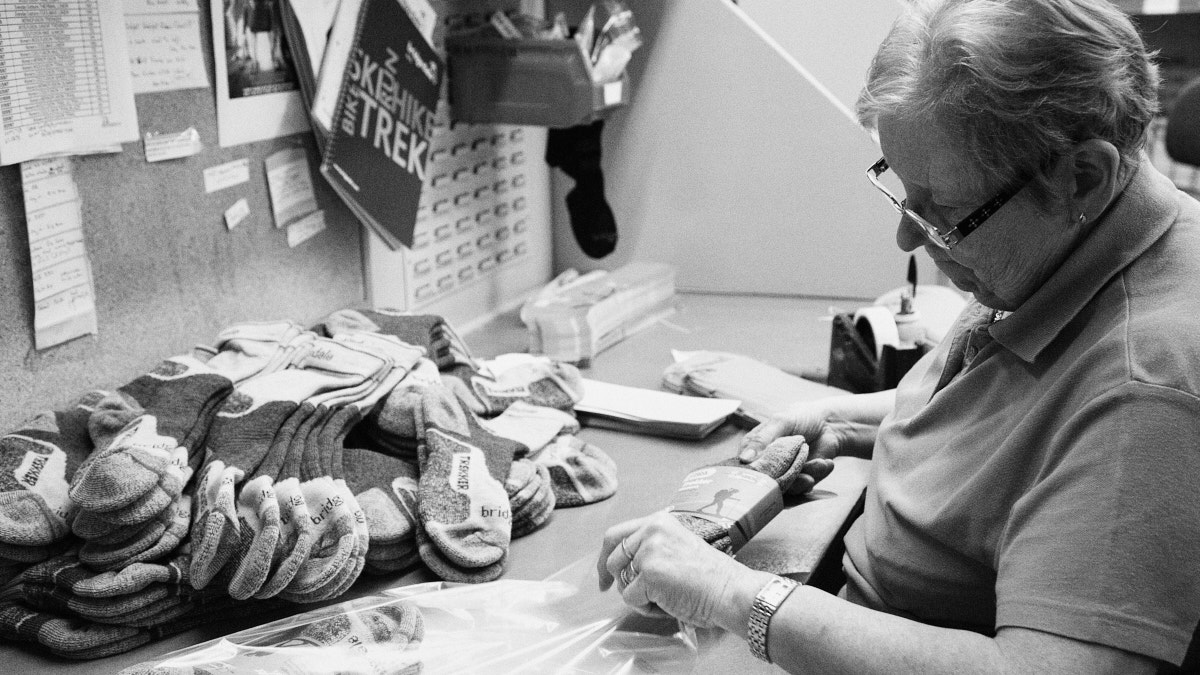
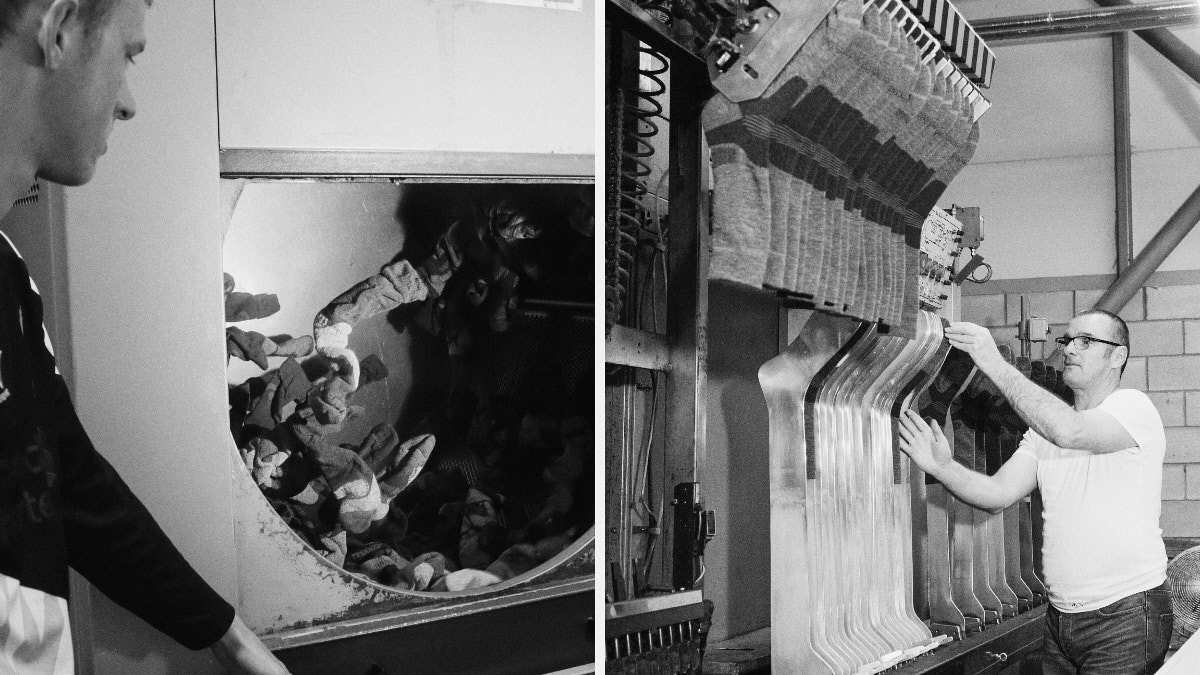
More than 100 years have passed since then, and in one and the same factory near Belfast, Bridgedale socks are still being born. A lot has changed in that time. The clink of knitting needles has given way to the steady clatter of automatic machines. New materials such as merino wool have appeared. The typical black and grey yarn has been replaced by cheerful colours. And Eirinn remembers all of these changes. For 40 years now – every weekday morning – she has set off from nearby Dundonald to Newtownards to make some of the toughest socks in the world.
And Eirinn is far from alone. You'll find quite a few people at the factory who have worked at Bridgedale for 40 years or more. They know their job inside out, and their long experience goes into every pair of socks.
The Appalachian Trail – the oldest long-distance trail in the world. In 2018, Petr Kosek set out on a four-month journey through 14 US states, climbing and descending an incredible 140 vertical kilometres along the way. With just two pairs of Bridgedale socks. And he still uses them today.
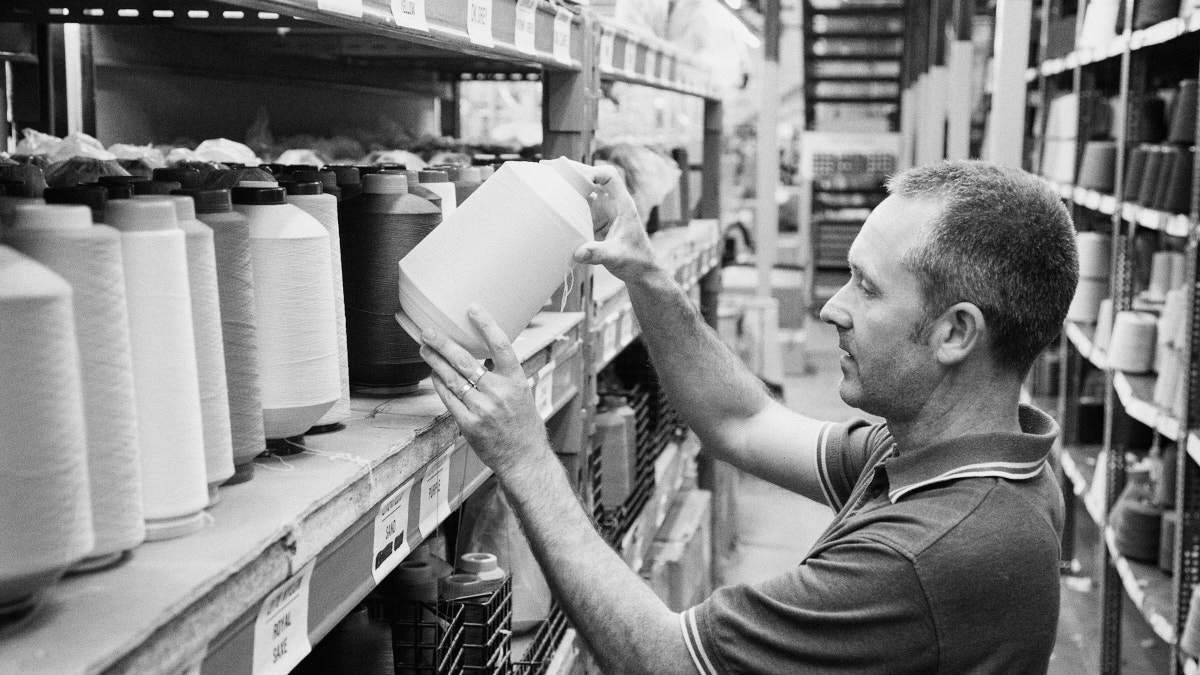
Bridgedale socks are made completely differently from most other socks in the world. A natural fibre – usually merino wool – is first wrapped in a tough synthetic fibre, and only then is this combination knitted into socks. The result is a dense and incredibly durable knit that you won't wear through even after several thousand kilometres.

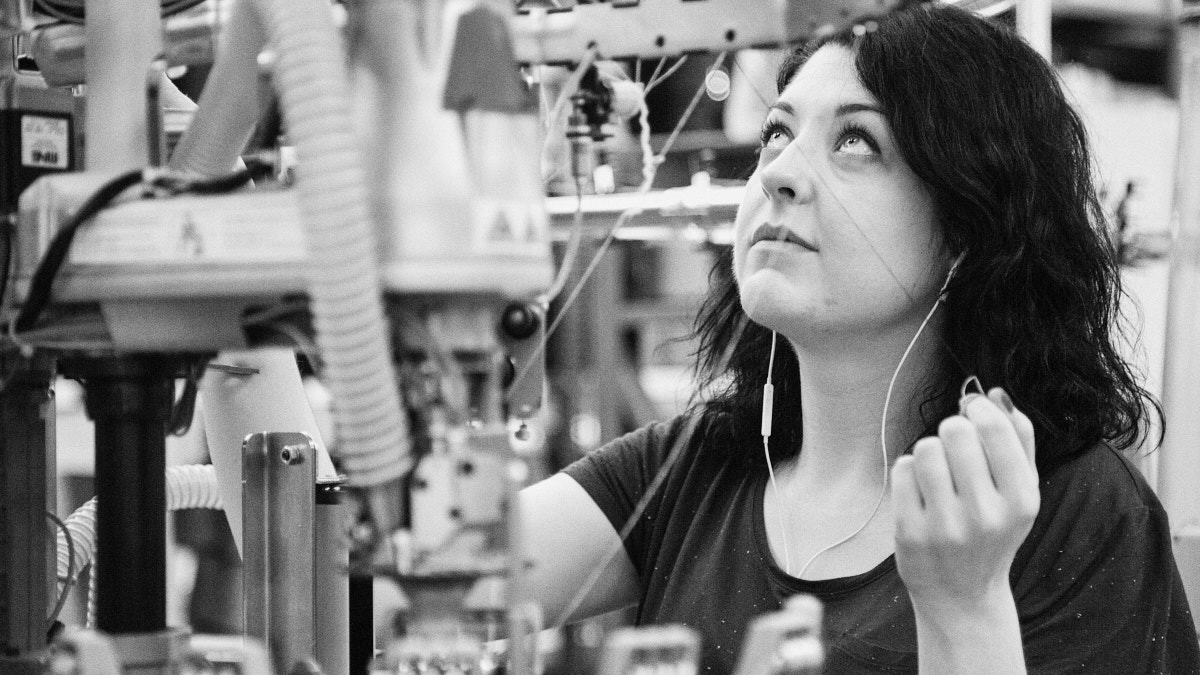
Yes, really! In Newtownards they stand behind their socks, and the lifetime guarantee on every pair is proof of that. Would you have guessed, for instance, that each sock is first knitted half as big again as the product that ends up on your foot? Only after repeated steam washing and shaping on a last do the socks reach their final size. That's why they won't shrink by even an inch.
What's more, every pair goes through a hand inspection before heading to the shops. That's how they do things there.

All day on your feet. In the evening you pitch the tent, cook dinner in your billy can and crawl into your sleeping bag. And the next day, all over again. The scenery around you changes, but the socks on your feet stay the same. One and the same pair. For a week now. All you need to do is let them air on a rock in the evening, and then you slip back into them without any after-effects of the long march. They stay soft and don't smell. Thanks to the natural antiseptic, antifungal and antibacterial properties of merino wool.

So tell us – how many pairs of socks can you use for 10 years? We know of one.

In the Northern Irish town of Newtownards, socks were already being made during the First World War. And they still are today. Just completely differently from most others in the world. The natural merino wool fibre is first wrapped in a synthetic fibre, and only then is it knitted into socks. The result is a dense, durable knit you probably won't wear through even in 10 years. And before leaving the factory, every pair of Bridgedale socks goes through a hand inspection.
It started as one of those spontaneous ideas where you say: "Right then, Kyrgyzstan! Sounds good, nothing's keeping me at home, I'm going!" And you buy the plane tickets. Only then do you get a guidebook and find out on page two that nobody goes to Kyrgyzstan in mid-May, because the mountains are buried under heaps of snow and it's unbelievably freezing. What would anyone do there? Yet in the end that turned out to be our big win. If Kyrgyzstan counts as a wild country, at this time of year it was even wilder. Even emptier. And even more beautiful.
Because it all falls into place by itself, and plans only exist to make God laugh anyway. Or rather Allah, here in Kyrgyzstan. So at five in the morning in the arrivals hall in Bishkek we still haven't the foggiest where to head from the airport. Which means the taxi drivers pester us in vain. Thanks, no idea. We have no plan. We still don't have one two hours later, when, half-dead after a sleepless night, we're being grilled by yet another taxi driver in his favourite café, where he's dragged us with visions of fat profits from two confused tourists. And we don't have a plan on any other morning of our two weeks in this stunning country either. Just a rough idea and plenty of opportunities that always lead us to exactly the right experiences.
So in that café we decide to head for the Ala Archa valley, an hour and a half from Bishkek. And of course the taxi driver rips us off good and proper straight away. Just like every first taxi driver I meet in any new country.

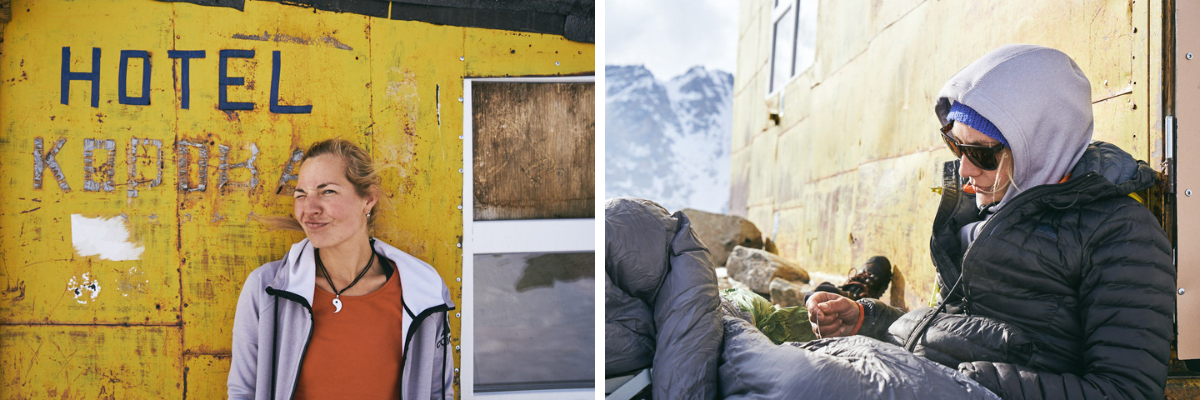

If it were up to me, I'd give it five stars. But they don't collect reviews on booking.com up here. Four beds probably isn't enough capacity to get listed. Parking is only available 1,800 vertical metres and a day and a half's walk further down. Mobile data coverage is lousy and the heating only works when the sun is shining. And on top of that, mice have moved in. Not one for the ladies. Apart from the two hanging on the wall. Sadly, even under their watchful eye I don't sleep particularly well. Not enough oxygen. My head hurts. And my legs. The sleeping pill doesn't even work as a placebo. Only the ibuprofen at four in the morning does the trick.
But it was still beautiful to spend the night here – in the Korona Hotel. Surrounded by mountains. By snow, ice and emptiness. In the morning we give up on climbing the peak of the same name above us. The weather throws a spanner in the works. So we try the seemingly easier Pik Boks massif on the other side of the glacier, but we only climb a steep couloir full of avalanche debris up to the col and retreat from there. A mixed ridge in fog and a snowstorm isn't exactly tempting. We disappear down into the valley. In snow, rain and cold. In the evening we light a little fire and dry ourselves out.

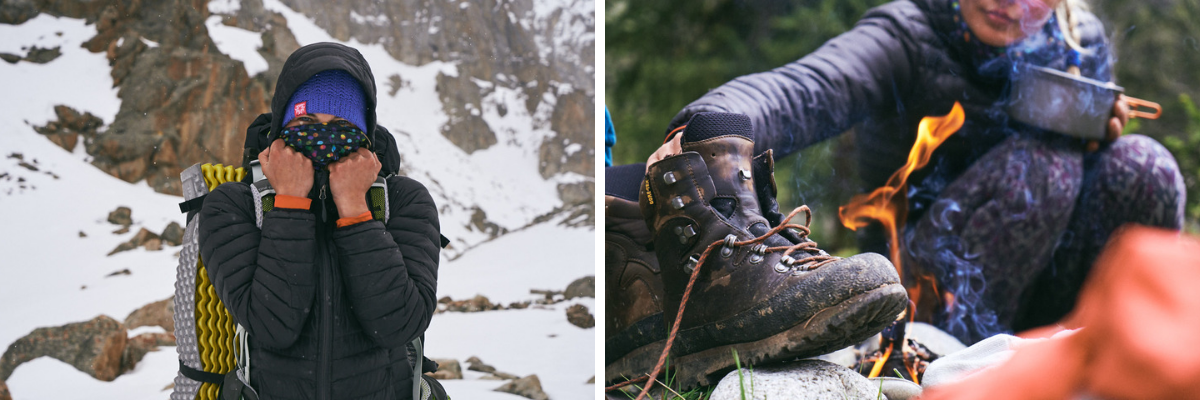

Good thing we built that stone wall around it. It was just a brief flash of insight that it might come in handy overnight. And now, as the wind rattles the flysheet and wakes us up, I no longer mind that I trapped my index finger between the stones while building it. That'll heal. As long as the wind finally dies down.
Wrapped up in our sleeping bags, we wait until almost eight o'clock, when the first rays of sunshine creep over the ridge above us and touch the tent. Time for breakfast and off we go. I go to fetch water. And look... the stream has frozen! And there I was thinking it was quite cold last night. No wonder! We're at 3,050 metres, the sky is completely clear and the snow line starts just a little way above us. Well, the climb up to the col below Elektro peak will warm us up.
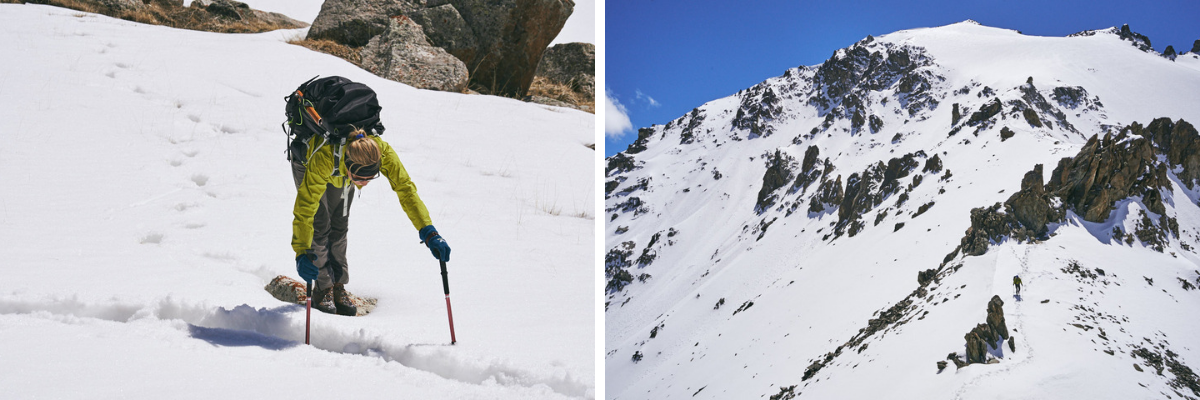
And warm us up it did. Grrr! The snow is impossible to walk on. It's so wet and soft that every few steps we sink in up to our waists. Never had that before. So we have to climb up the scree. Slipping. Stumbling. Cursing. At the col we call it a day. Rather than this, we'd better enjoy the last two hours of sunshine by the tent. By six we're crawling into our sleeping bags anyway. And we don't emerge again until 8 the next morning.
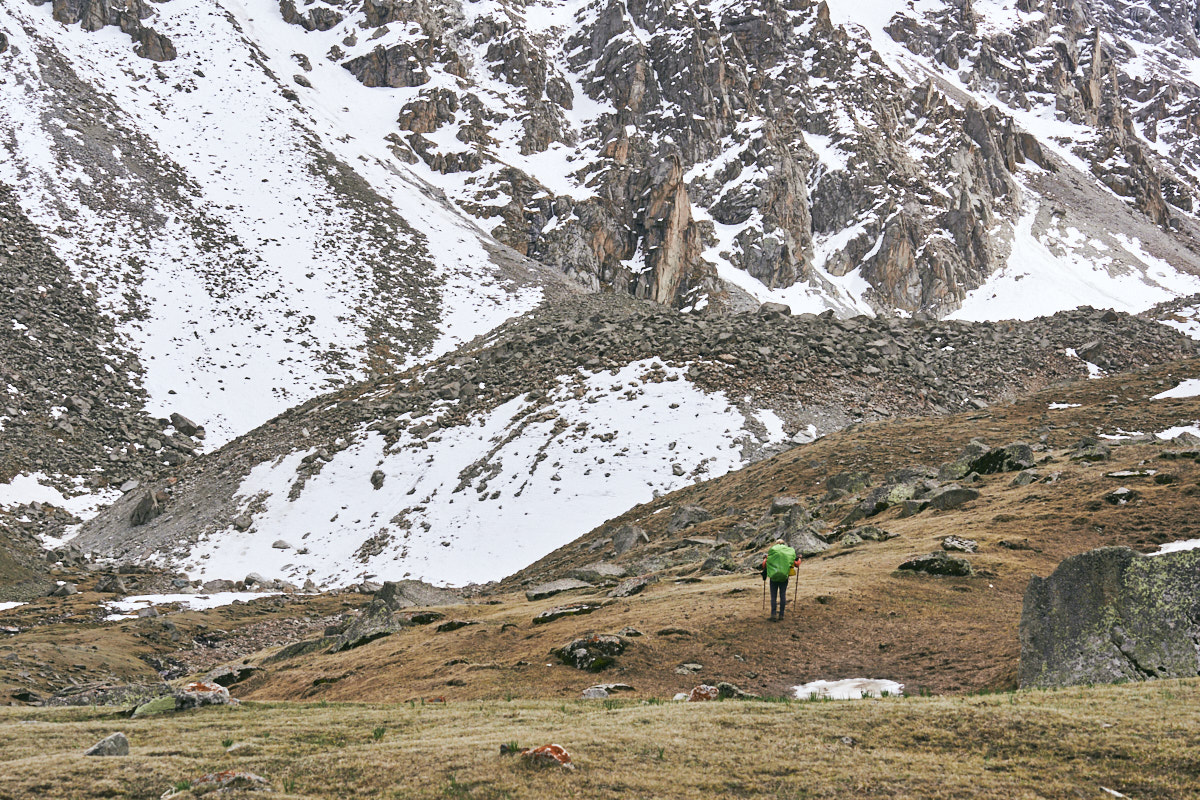

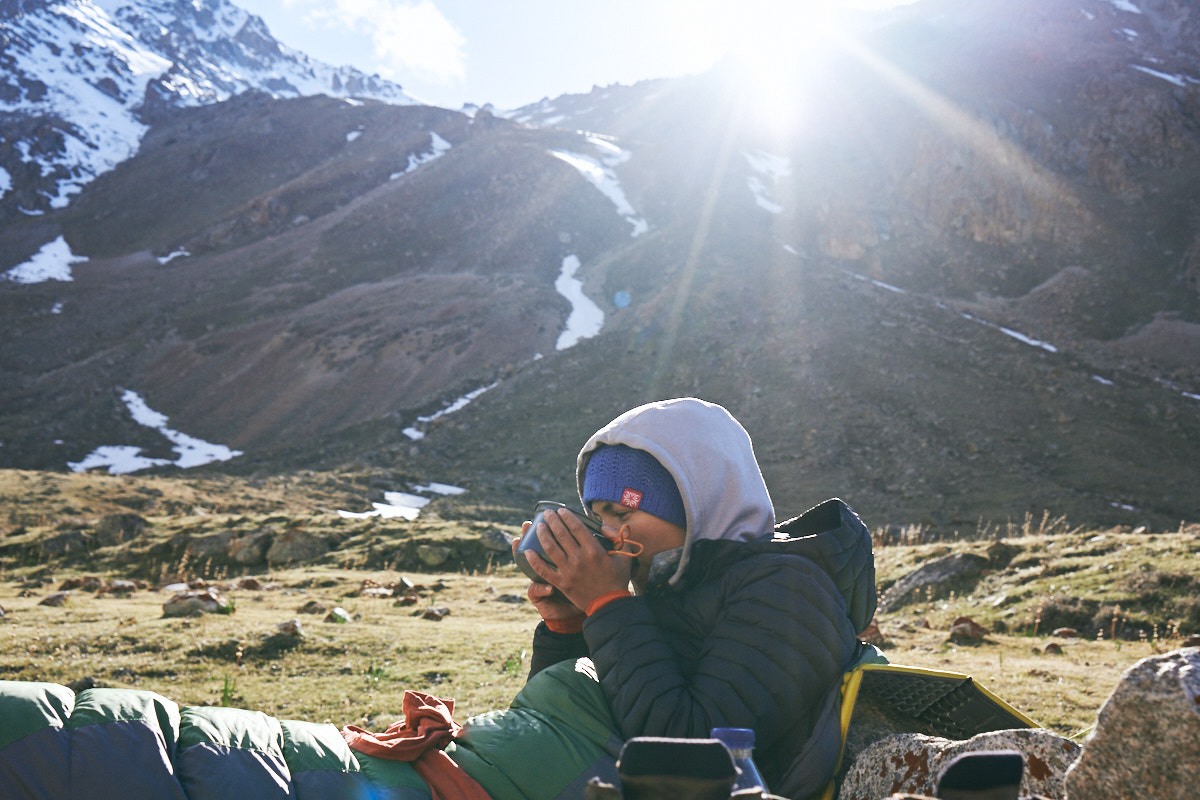
"Well, for meat. Business. Kharasho?" Oh dear. It had all been so romantic up to now. A fifteen-kilometre valley, 150 horses grazing freely... and they're raising them here for meat. The worst part is that I can't even say I'd never put it in my mouth. Because it's quite likely that over the previous days in the valley I didn't manage to avoid horse meat. They put it in everything. But I'm not trying the fermented mare's milk. I'd be on the loo for days...
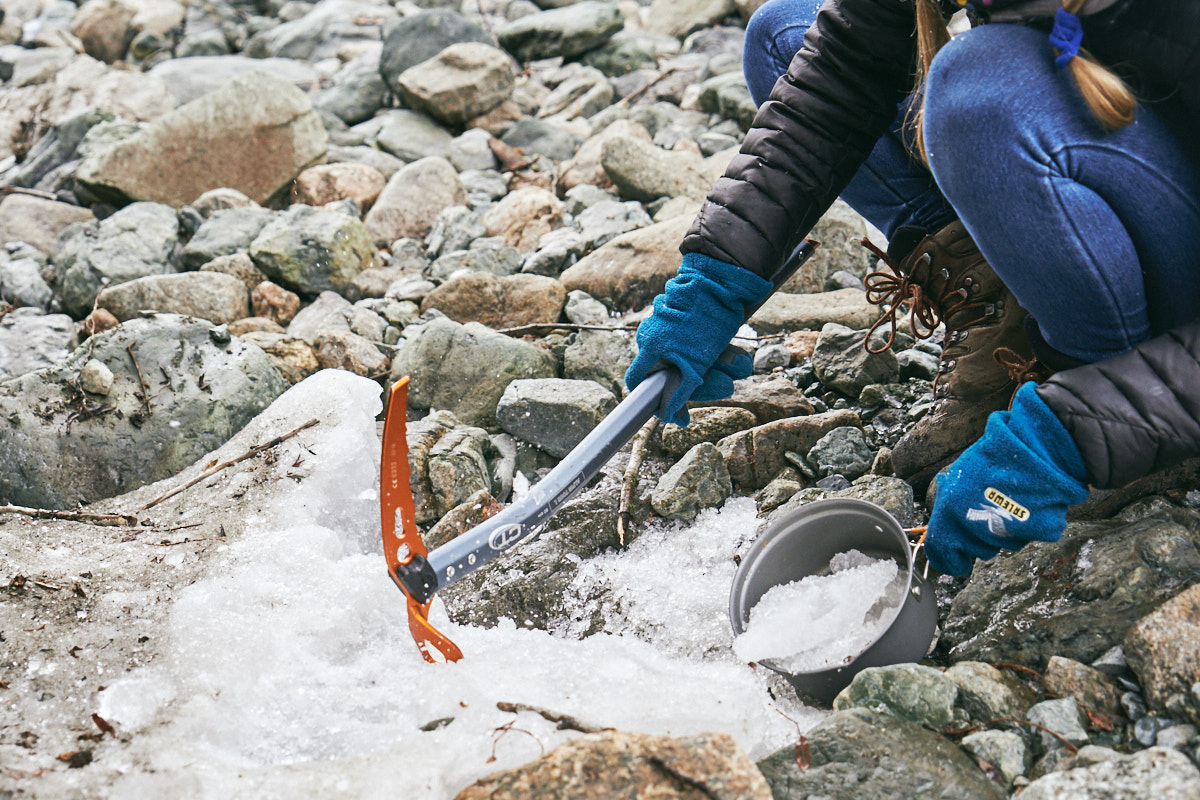
Today we end up at the Sirota Bivouac on the tree line at 3,000 metres. And a surprise to round off the day – there's no water here. Normally there probably is, but because Lake Alakol, 600 vertical metres above us, is still completely frozen, nothing is running down the stony stream bed. All that's huddled here – hidden from the sun under the roots of a tree – is a roughly metre-long chunk of hard ice. Frankly, it doesn't look all that appetising. But we'll boil it, filter it and if worst comes to worst, close our eyes. And at least we're not lugging the ice axe around for nothing. Without it, all we could do with the only bit of water in this no man's land would be to lick it. Yuck!
Around midday the next day, as we look around the huge frozen cirque of Lake Alakol, searching in vain for the bright blue surface from the postcards, it starts to snow. Again. We leave. Now it's properly snowing. It'll probably be raining down below. Oh dear. We'll be packing a wet tent again. We descend. And it isn't raining in the valley. It's snowing there too. Well, hopefully we'll at least warm up by the fire this evening...



I can't explain otherwise why that woman keeps shovelling it into us. The food is already spilling over the edges of the table onto the floor. If we went short on instant bag meals over the past ten days, we'll quickly gain those calories back during this one evening with the locals. And our hostess doesn't know that at lunchtime a gang of kids from Karakol had already dragged us into a yurt, where we stuffed ourselves fit to burst. They simply want to kill us with food. On the other hand – unbelievably good food made from fresh ingredients picked from the garden and from the neighbours. You wouldn't believe how good it is...
We spend the last two nights before returning to Bishkek with a local family on the shore of Lake Issyk Kul. The kids play with the ice axe and the sleeping mat, while we get bogged down in a conversation with mum and grandma that's about as deep as talking to your dog. English just isn't exactly a universal means of communication in Kyrgyzstan. I think I'll start learning Russian.


In the morning, old hands by now, we hire a marshrutka to Bishkek – this guy isn't going to rip us off. And we jump feet first back into frantic civilisation. I don't see much difference between Bangkok and this city. Except maybe there aren't as many motorbikes here. Shall we head back to the mountains? We'll have them to ourselves there...
To be fair... I didn't originally want to take it. But I found out that I simply couldn't fit all my camera gear, tent, sleeping bag, glacier kit, food and two T-shirts for 14 days into my 19th pack. So the lads sent me this Lowe Alpine Altus with a volume of 52–57 litres, and minus five bars, two instant porridges and one pair of socks that ended up staying at home, I made it all fit.
Phew! I'd rather go hungry than leave my telephoto lens at home.

Actually, I can't stand it at all. Having gear dangling off the outside of my pack. I want a nice, compactly packed bag. Partly so I don't look like a scarecrow. And partly so nothing distracts me with its swinging when I'm walking and climbing. That would drive me round the bend. And after flying halfway round the globe, barely half my stuff would have come out on the baggage belt in Bishkek.
So when I checked in my pack at Václav Havel Airport Prague, the only thing strapped to the outside was my sleeping mat. I even stuffed the ice axe inside. All good, then. I'm happy. Let's hit the mountains!

"For heaven's sake, get this 20-kilo rat off me. I'm not going any further. We're pitching the tent!" True, after 20 hours on the road, with the time difference robbing us of most of the night, I was absolutely dead. On the other hand, that wide hip belt took a fair bit of weight off my shoulders. Thanks for that! And for the anatomically shaped back. We pitch the tent, I pull my sleeping bag out of the bottom compartment, shove the Altus under my head and good night. Tomorrow brings a bigger helping. 1,400 metres of ascent to the Hotel Korona. Yellow tin huts on the edge of the glacier at 4,000 metres. I won't get any sleep there either, with my head pounding.

Because this shot is made for a telephoto lens. Except it's stuck, buried under a water bottle, a down jacket, energy bars and spare clothes. Hmm, putting heavy stuff low down against your back is great for the right centre of gravity, but when you need to get to it without throwing half the contents of your pack onto the snow... Well, look at that! That's what the zipped side entry is for. I drop the pack, pull out the lens, take the photo and pop it back in its place with no fuss. Clever bit of design.

I hate scree! Grrr! And here I am, stuck halfway up the slope, everything around me starts moving the moment I touch it, and we've still got 200 vertical metres to go to the col. If only there were something to lean on. True, I've got an ice axe on my pack. That would do. But in this mess I'm glad just to be standing. Taking the pack off as well? No way. And hey... hand behind my back, thumb and forefinger unhook the clip from the axe head... and it comes off the pack even while I'm wearing it. Clever thing, this Altus.

The Tian Shan is really toying with us. First we shelter from the rain under the firs, then a moment later the sun starts blazing at full steam. Just as we're slogging up that brutally steep bit. Fine, off comes the jacket. Quick as you like. Into the stretchy front pocket it goes. Lowe Alpine really thought that one through. Besides the jacket, it even fits a bag of rubbish from the last three days here in no man's land.
And now that we've scrambled all the way up here – to Lake Ala-Kul (completely frozen, by the way) – it starts snowing. So what now? We flee downhill! It snows and snows. I don't even bother with the rain cover, because I'm too lazy to stop and faff about in this muck. I'd rather keep going. And I'm right to. This pack can take a beating. Even this two-hour snowfall. My stuff inside is still dry.

... is how quickly I can pack it every morning. True, I'm a minimalist, I don't carry much and I've had plenty of practice packing. But this Lowe Alpine Altus is so well designed that everything has its place. It has neither too many nor too few pockets. Just the right amount. And the top opening is exceptionally roomy. What more can I say, ladies and gentlemen. My 25th pack may well be my last. This is what lifelong love looks like.

