Has it ever occurred to you, for example, that patting a Thai child on the head can be taken as an insult? Or that blowing your nose in public is utterly horrifying in some cultures? And that all those elephants carrying tourists are only so calm thanks to vodka?
Not only is travel not eco-friendly. Mass tourism without respect for local culture, people and nature is as disrespectful as if I came to your home, grabbed a beer from your fridge, threw my muddy boots on your carefully polished table and then peed in the corner of your living room. That's exactly how many people behave when travelling. Perhaps without even realising it. After all, we've paid for it all properly, haven't we?
Or…?
The home of the people who live there. And we enter it as guests. So forget the old Czech saying: "A guest in the house is master of the house." That little proverb must have been invented by exactly the kind of boorish visitor who hasn't got an ounce of decency to find out, before leaving, how to behave at their hosts'. And that's wrong. At best it leads to small faux pas that get laughed off. At worst you can genuinely offend the locals. So before you head anywhere, spend a moment studying local customs. The internet is full of information.
In Cambodia, for instance, you hand over money with both hands to show that you're giving the act your full attention and respect. In Thailand you won't find a knife on the table – it's a symbol of aggression – so you have to make do with a fork and spoon. In Muslim countries it isn't acceptable to show affection for your partner with passionate touching in public. And in Iran, a thumbs-up tells someone to go "somewhere".
These are things you don't think about at home. But when travelling you should. Unless you want to offend your hosts.
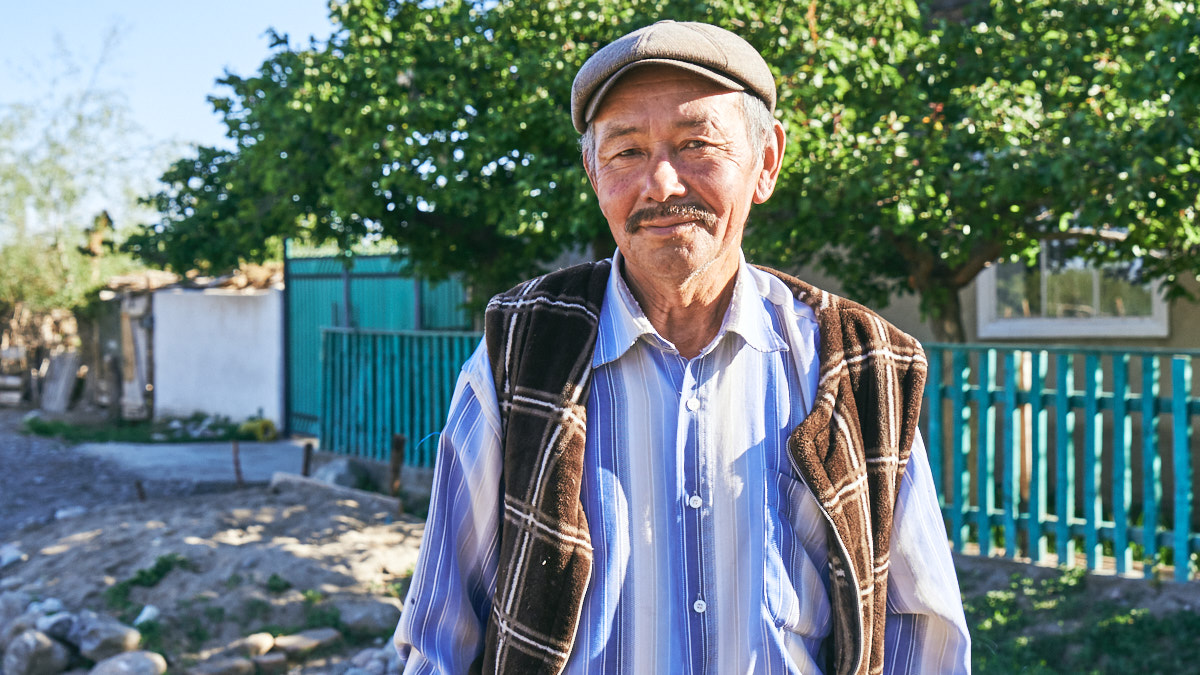
Learn at least a few basic ones in the language of the country you're going to stay in. Say hello, thank you, sorry, ask how someone is doing.
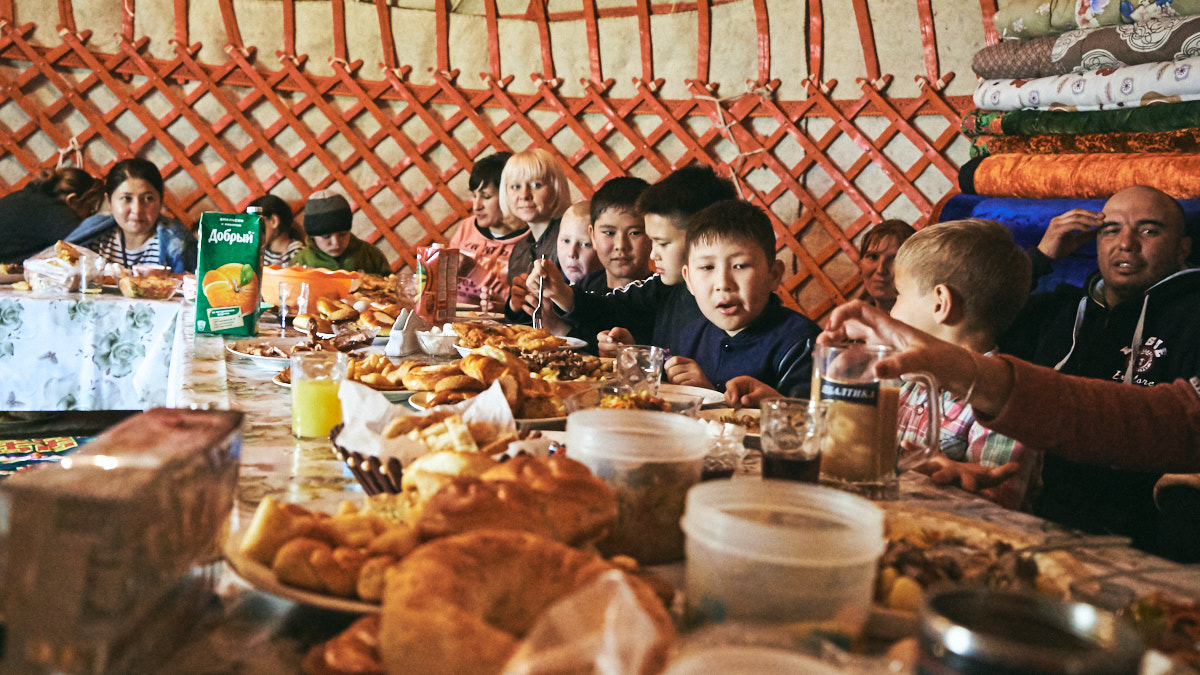
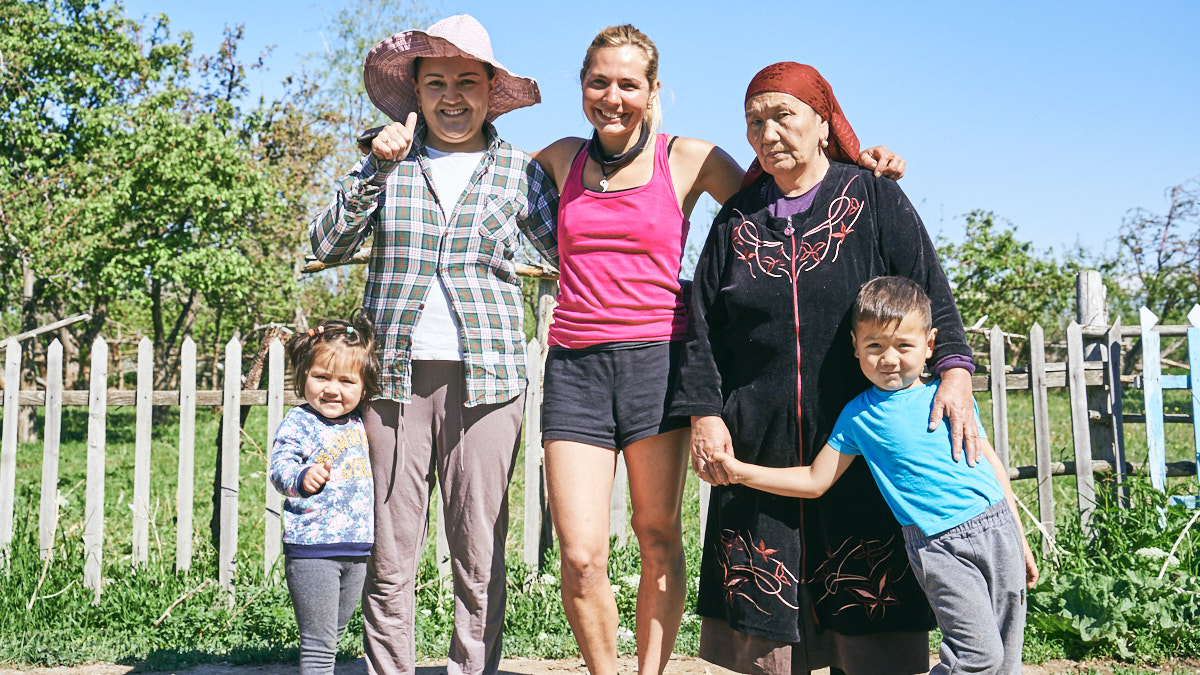
It doesn't matter at all that you won't be able to carry on the conversation. What matters is that you show your host respect and let them see you don't take the visit lightly. It'll simply make them happy. And it might open the door to an interesting experience. Like it did for us – dinner in a Kyrgyz yurt with a crowd of local kids and tables groaning under traditional food. And all it took was saying hello in something other than "Hello!"
A different place every day. Zip here, zip there. And you haven't been over there yet! The main thing is to see as much as possible. All of Lonely Planet's top 10 sights in 14 days. The silly thing is that this way you mostly visit only the most touristy places, which have little to do with the country's culture. They're riddled with commerce. Not to mention that such whirlwind travel also grows your ecological footprint.
Settle in one place for a longer time and get to know the local culture properly. So what if you don't see the whole country? You won't see it even if you rush. Besides, slow travel puts new – much more interesting – experiences in your path.
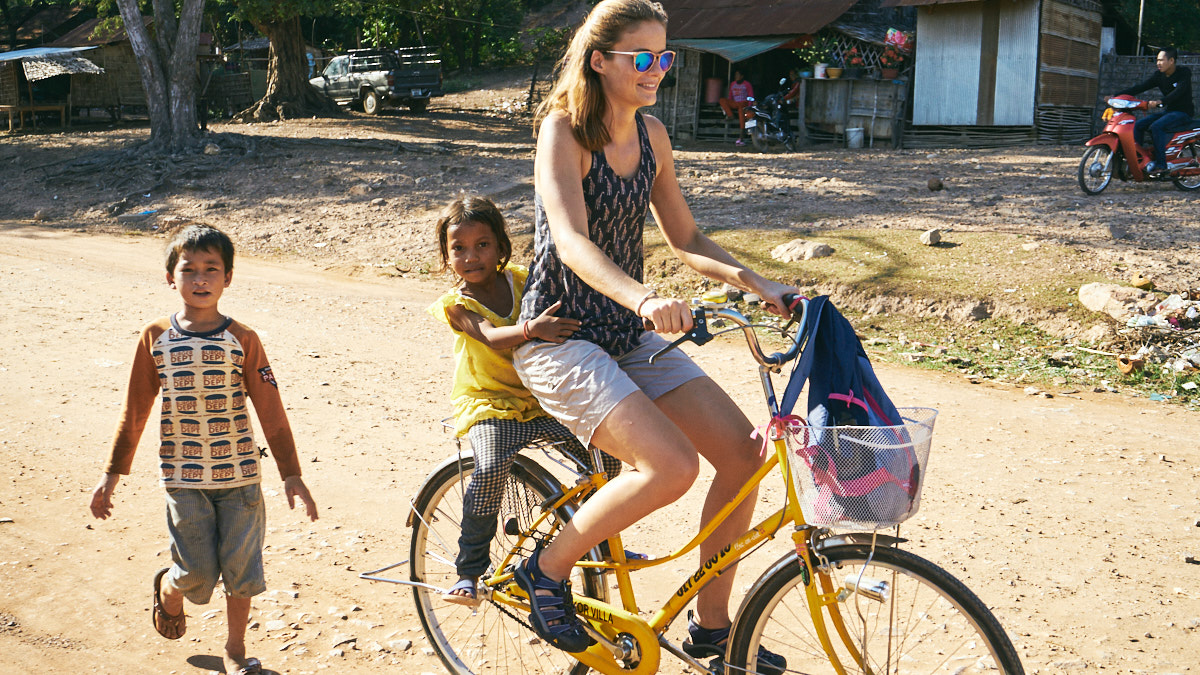
During our stay in South-East Asia, for example, we stayed about 10 days in each place. At that point you actually start living there and noticing things an ordinary tourist misses. And in the end a local family might invite you to their table for breakfast, where you'll learn how to properly enjoy their soup. Thanks to the long stay in one place, we could also cycle to places tourists never wander to. To a Cambodian "village" of corrugated-iron shacks, where you just stare at the poverty, and more than once local kids jump onto your bike and you spend half an hour riding them back and forth on the rack. I'll never forget that. And yet it's such a little thing, isn't it?
You can never buy authentic culture. Really, never. Unless you consider authentic the long-necked women in Thailand who'll take a selfie with you in exchange for a few dollars. Or children whose parents send them to beg among tourists instead of to school. That's called exploitation in the name of tourism.
Organised tour groups? You probably wouldn't want a coach full of tourists to stop outside your house three times a day and photograph you mowing the lawn, playing with your kids and having coffee with your wife. You get your instant dose of experiences, but those people lose their identity and privacy. If you really want a glimpse into the local culture, slow down and take it in.
And those begging children? Definitely don't give them any money. It won't help them in the future in any way, and those dollars may well end up in the hands of some local mafia. If the sight of those little ones breaks your heart, buy them food. But not money! If you want to support those people, there are other – more responsible – ways.
It's convenient that even in the most remote hole on Earth you can buy a Coca-Cola and sink your teeth into a "cheeseburger" at McDonald's. But with these purchases you're only supporting huge multinationals whose sole aim is to maximise profit regardless of the world around them.
Instead, try ducking into a street stall where a lady will rustle up the best noodles you've ever eaten for 25 Kč. Guaranteed local, too. Instead of a Starbucks coffee, you'll just have tea, the traditional drink of that country. And you'll swap a four-star hotel owned by some wealthy European for a little room right in a local's home. Airbnb is full of such "guesthouses". Your money will help the locals to a slightly better life, and your experiences will be all the more intense. And more authentic.
Get a 725 Kč credit for your first Airbnb stay. Here >>
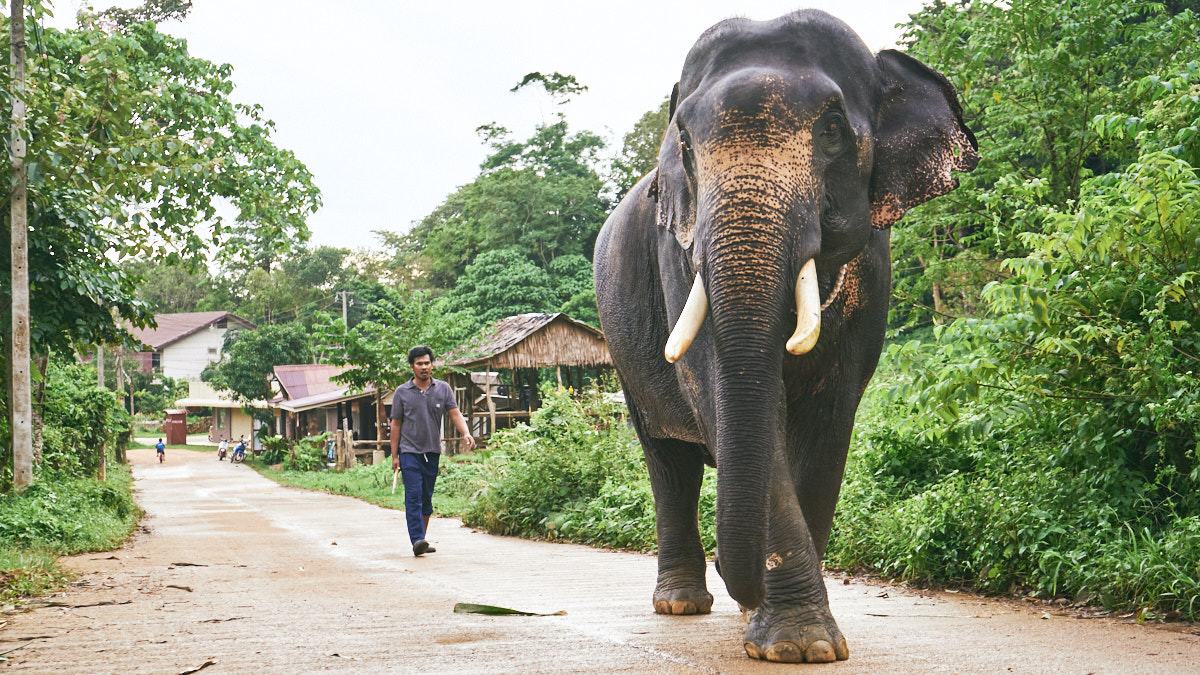
In Thailand I saw an elephant by the road dancing to the rhythm of some music... which wasn't actually playing. It had just been trained to do these antics. That's called animal cruelty. Just like chained monkeys you take a photo with, cuddling tigers or chasing turtles while diving. Would you like it if someone did that to your dog?
No, this really isn't OK. Animals deserve a dignified life, not playing the fool for people until the end of their days. The only way we can stop this is to avoid such attractions. So you won't get to stroke a tiger. So what? Will you miss it in life? With our money we show how responsible travellers we really are.
And souvenirs? Did you know that civet coffee has nowadays become one big scam, and the poor civets live in tiny cages where they're stuffed with coffee beans non-stop, just so tourists have something to buy? Yet THE real civet coffee is all about wild civets choosing only the very best beans, which is why the resulting coffee is so good. Their digestive tract has no effect on the taste of the coffee.
Three parts, each on a different topic. Yet they have one thing in common – responsibility. Let's behave on our travels the way we'd want visitors to behave in our own home.
Travel slowly, minimise transfers and use the most eco-friendly means of transport possible. Read the full article >>
Minimise your consumption and the waste you produce. Especially in countries that can't deal with waste. Read the full article >>
Treat local people and their customs with respect and steer clear of tourist traps.
Postscript: None of us is perfect. Not me, not you. And we never will be. But every little change we make in our lifestyle contributes to a better, cleaner planet. Do what you can.