
The good old days when you went to the mountains in sturdy leather boots up over the ankle? They're slowly fading away. Because low shoes have quite a few advantages on their side. They're light. They're comfortable. They're versatile. And often they don't even fall behind in how much support your feet get. Because it isn't just about height.
High cut = better ankle support. Absolutely! Especially with a twenty-kilo pack on your back, you'll feel the difference. And high boots also tend to be tougher. Not just against damage, but against moisture too. Water simply gets into low shoes from above or wicks in more easily than into high ones.
On the other hand, much lighter low or mid-cut shoes can give you pretty good support too. Because it's not only about height. It's also about how the upper, outsole, midsole and heel are built, and about any stiffening shank used. And as a bonus, low shoes are simply more comfortable for your feet.
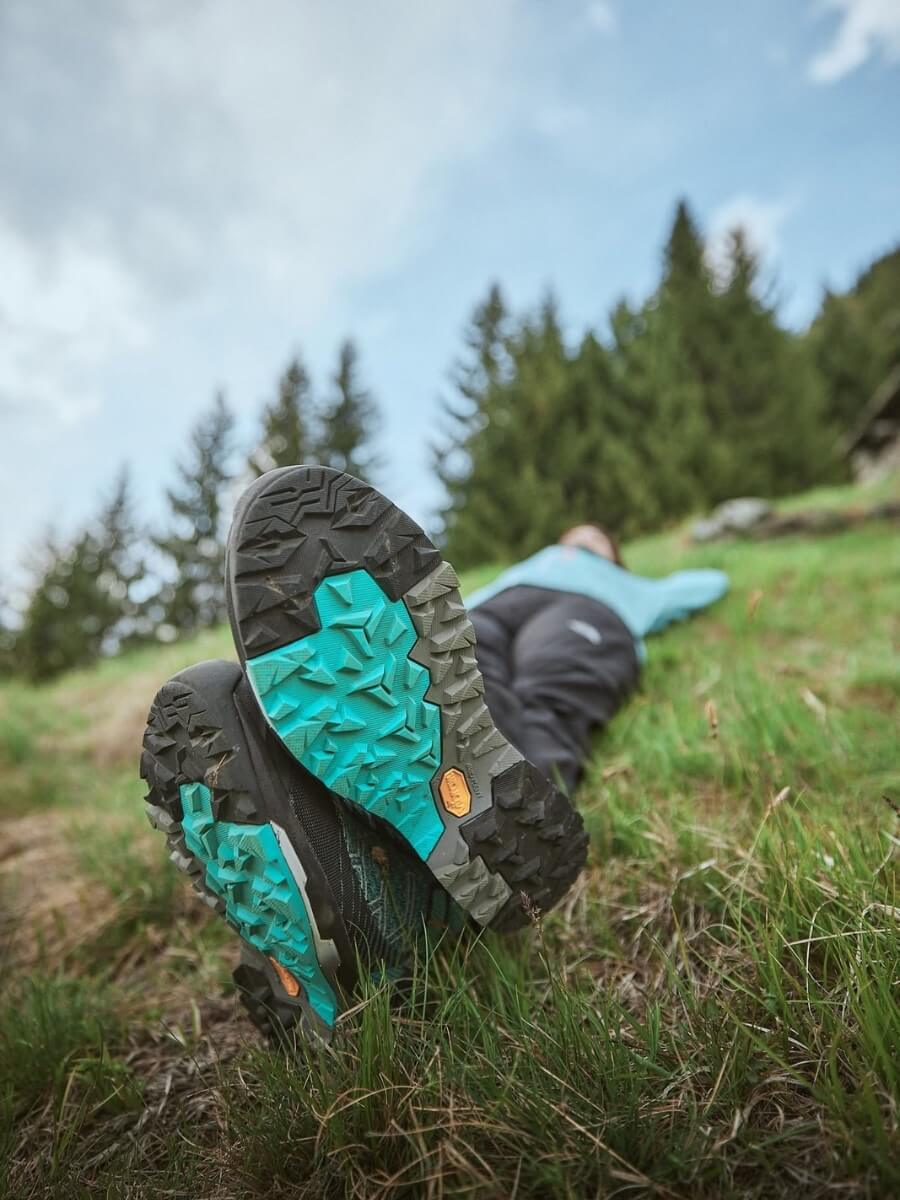
Mid means a mid-cut shoe. It's either a higher version of a low shoe or a lower version of a high boot. You could call it the golden middle way – you get lightness, freedom of movement and ankle support. But mid in the name doesn't always mean just a different height. Mid shoes can also have a shank with different flex. So watch out for that.
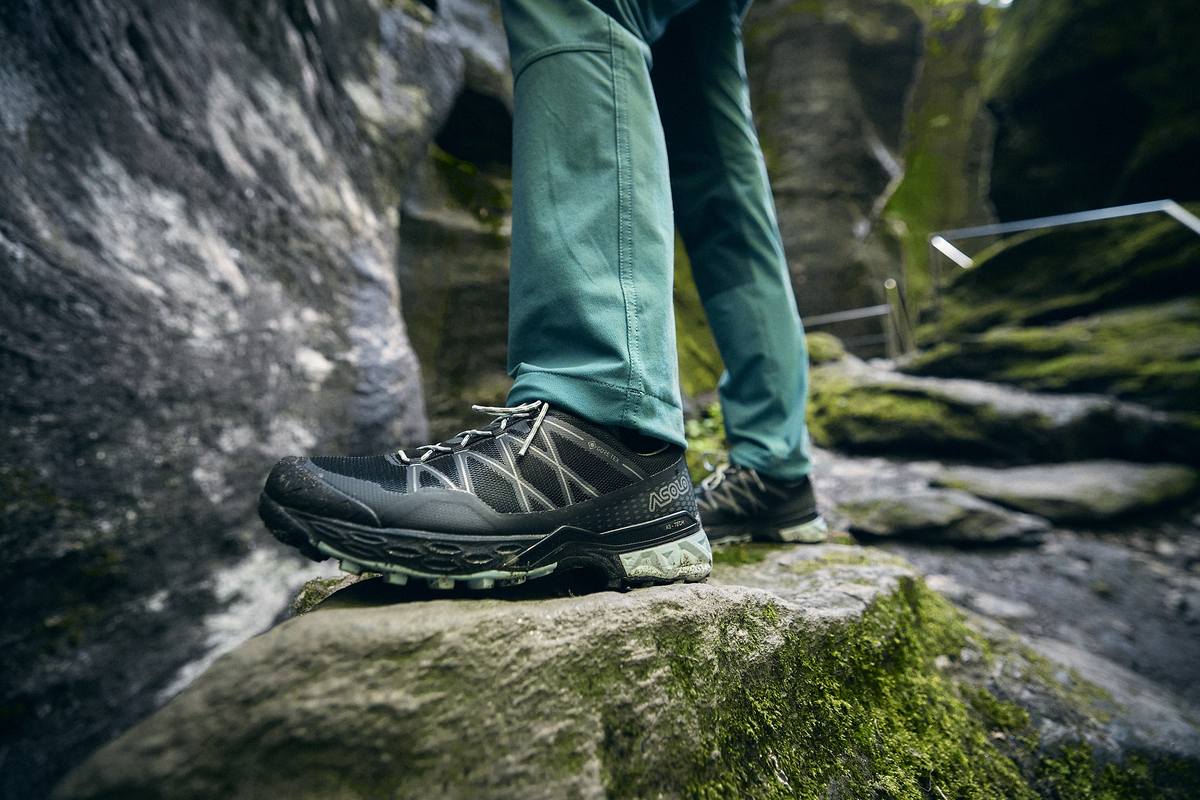
More agility. Of course! Without a high upper your feet flex more naturally, movement is lighter and your stride smoother. That's an advantage. You undoubtedly save energy and cover more ground. And an ankle that isn't propped up by anything is actually getting stronger with every step, improving your sense of balance. The same simple rule applies to ankles: use it or lose it.
But it's also true that over long days in tough terrain and with a heavy pack, your concentration slips and your strength fades. That's when a higher boot can pay off. Especially if your ankles aren't in tip-top shape. In other words – low shoes are more comfortable, but they demand more attention and better fitness.
Scree, rock, snowfields, glaciers. Low shoes can be built for all sorts of things, but unless you're a seriously experienced skyrunner, you'll do better to take high boots on a high-alpine tour. Your feet stay dry and you avoid frostbite. And thanks to the stiff sole you can be sure your crampons won't fall off at the worst possible moment.
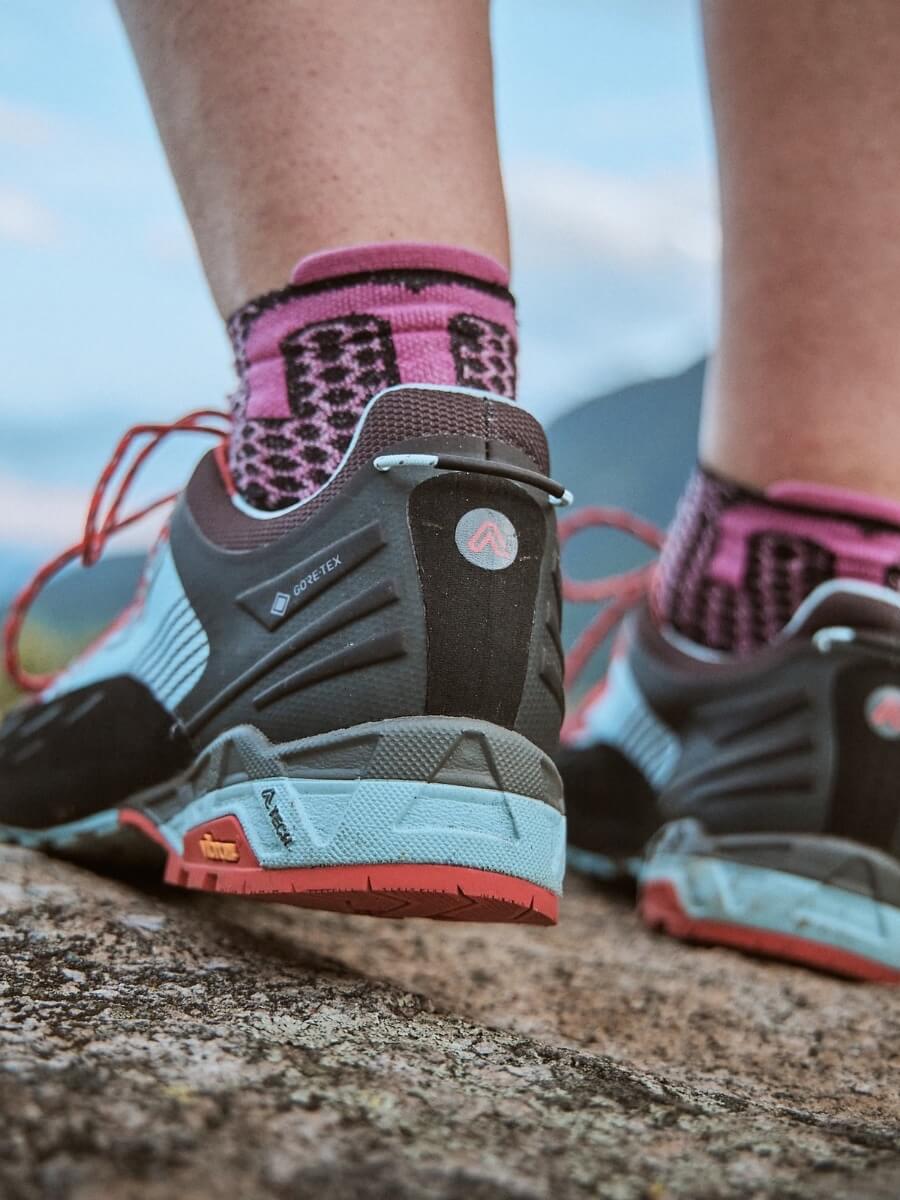
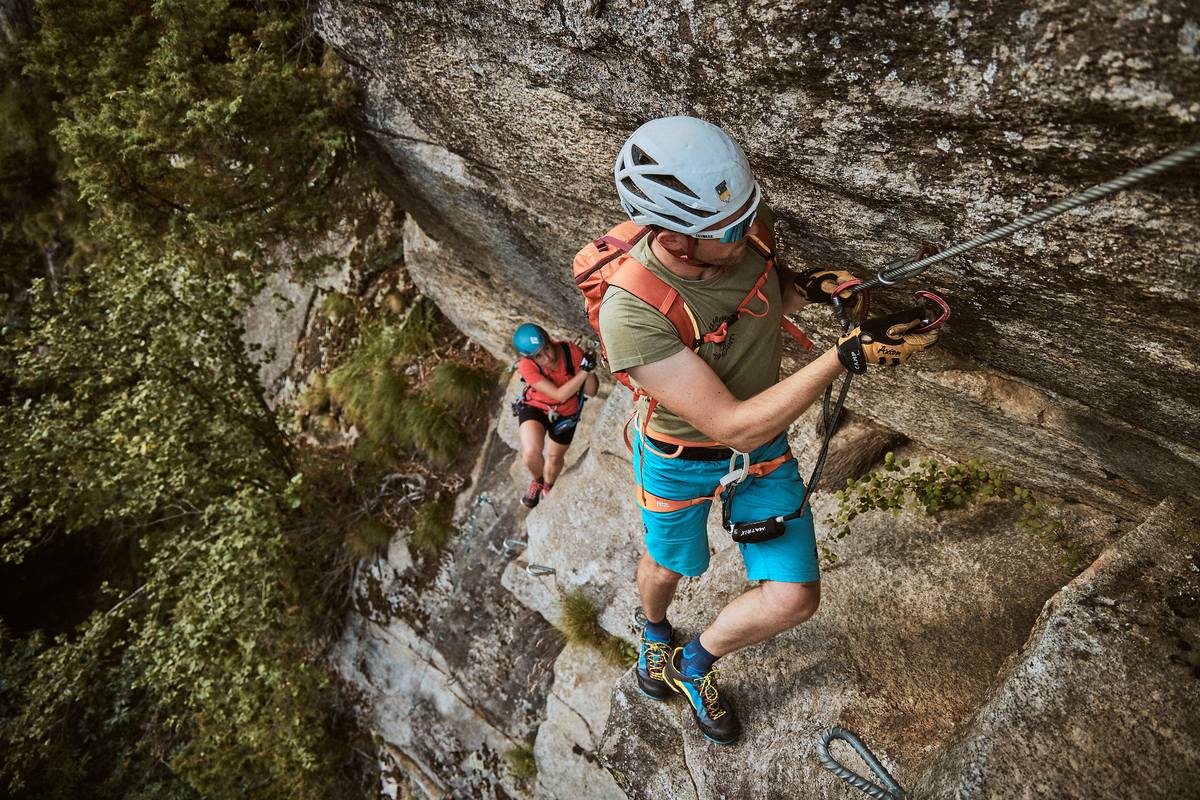
A light pack, strong ankles, decent fitness. The ideal conditions for wearing low shoes in the mountains. They're comfortable and your feet somehow flow over obstacles more easily. Yet they don't have to be flimsy slippers. Via ferrata shoes, for instance, are often wrapped in a beefy rand and have soles just as stiff as classic hiking boots.
Hallux valgus. Not pleasant at all, and on a mountain hike even less so. Are there shoes you won't suffer in? Good news: there are! At Asolo you'll find them under the Bunion label. They're wider where the enlarged big-toe joint sits. They also have a raised toe box and on the inside you won't find any seams pressing on the sensitive joint.
A heavier pack, mud and damp. And terrain you can't really call stable. In conditions like these, a higher cut means better protection. Moisture will have a harder time reaching your feet. And when you find yourself on rocky ground, they'll protect you from twisted ankles and bruises from loose rocks.
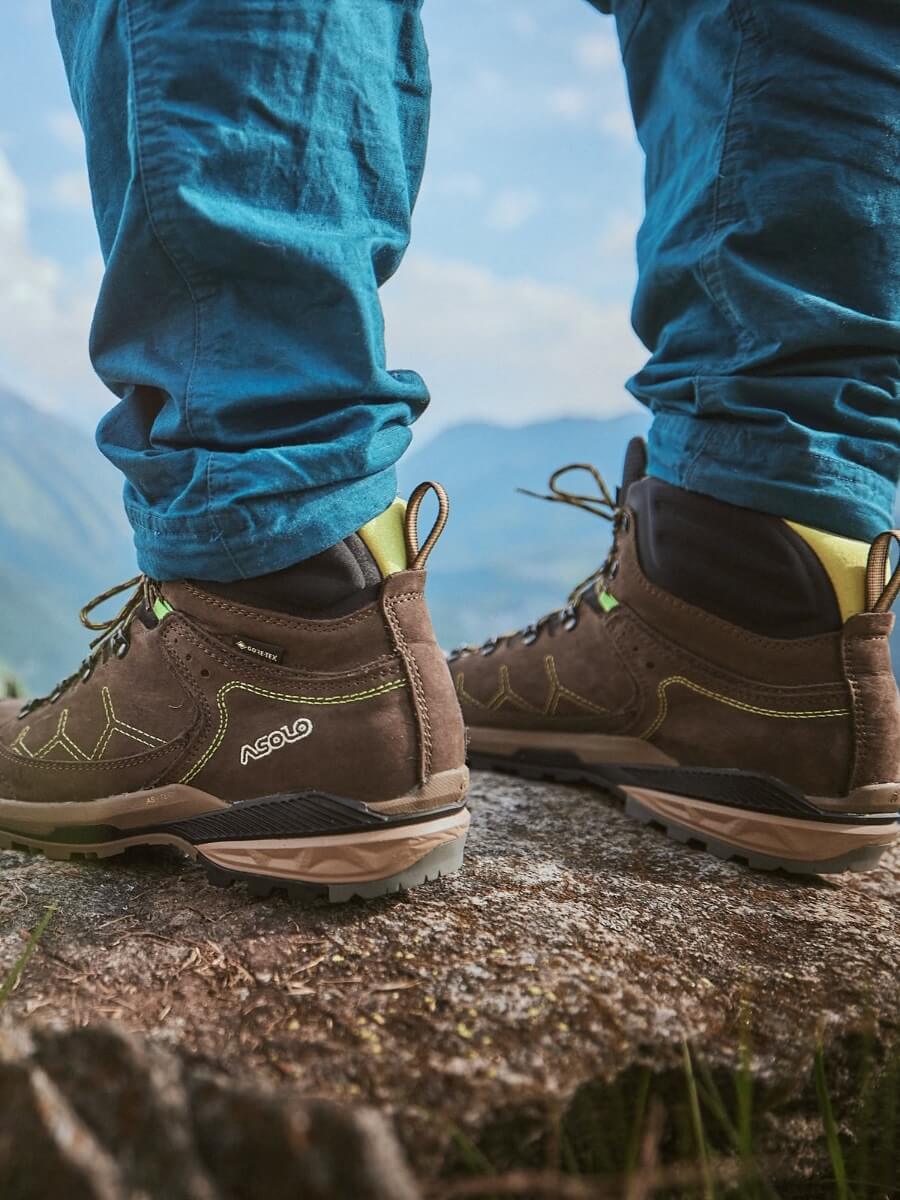
You've known how to lace your shoes since nursery? What's the big deal? Well, at the very least you might be interested in a trick that means your laces will never come undone again. And if you get blisters or struggle with a high instep, it'll help to learn a few more ways to lace your boots.
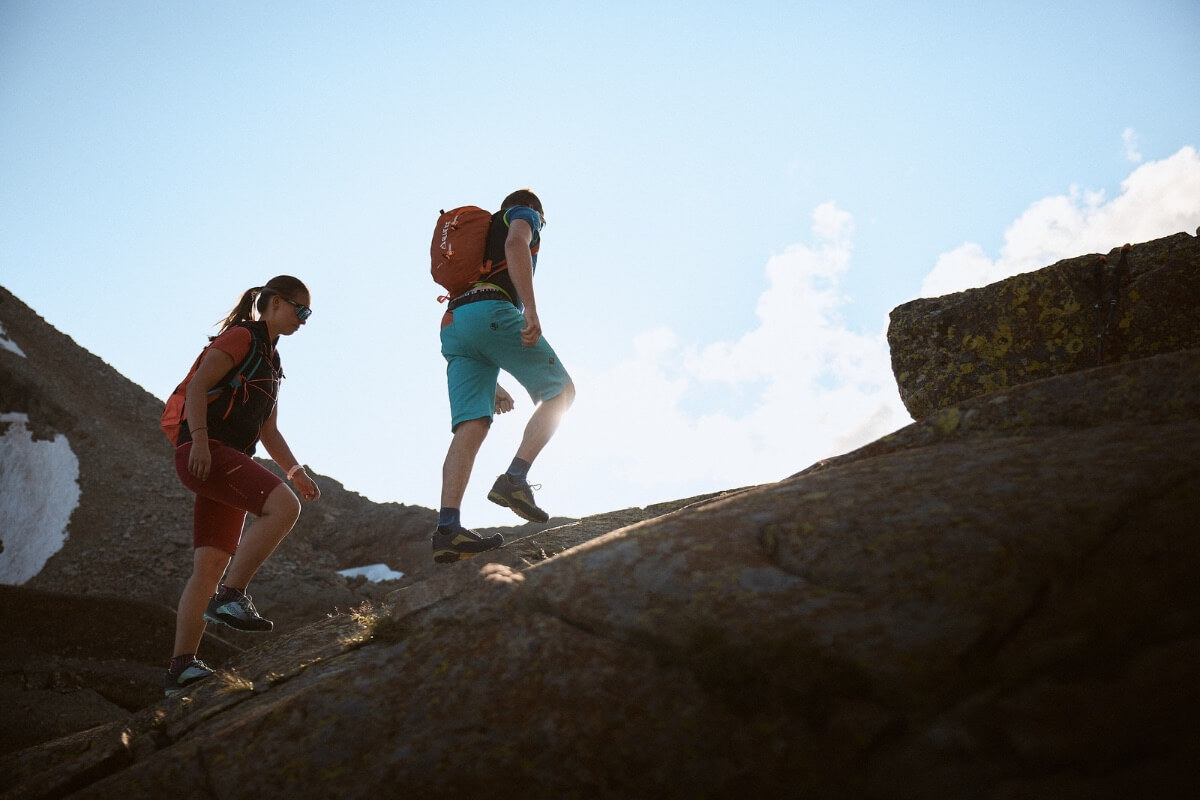
Even light low shoes can be built so firm and stable that they'll handle really demanding terrain. Precisely because stability isn't down to height alone – other features matter too.
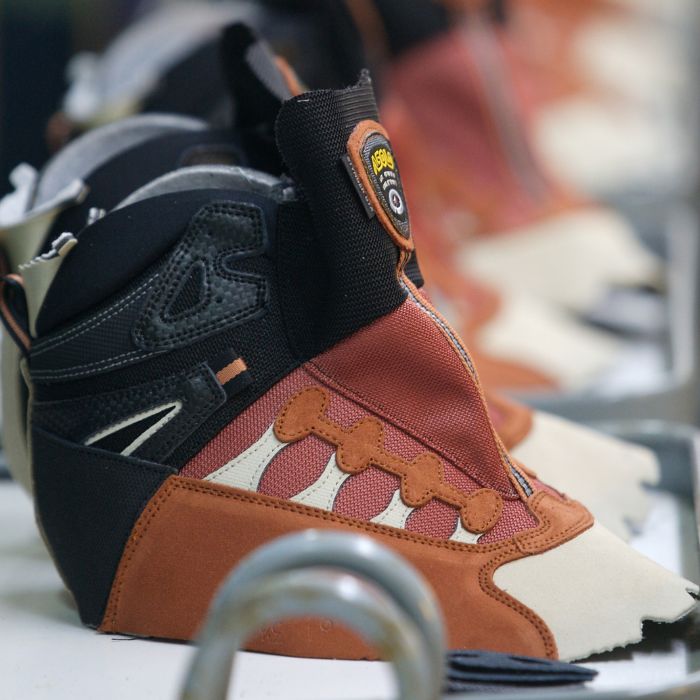
The stiffer the upper, the more support. A rubber rand stiffens the shoe even further. And via ferrata shoes, for example, have lacing that runs right down to the toe, so foot and shoe work together as one perfectly functioning unit.
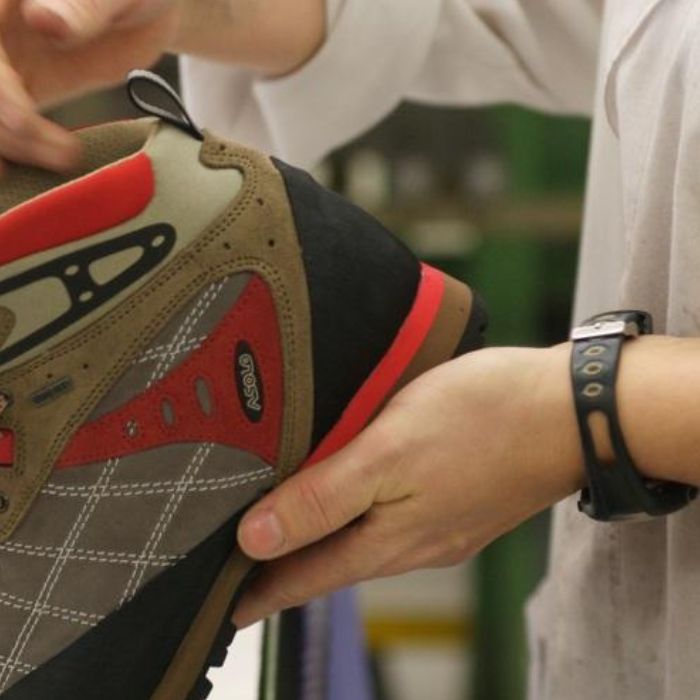
When it matches the shape of your foot well, it limits unwanted heel movement and you walk more confidently on uneven ground. A heel that's too loose, on the other hand, can cause rubbing, blisters and less control over your foot.
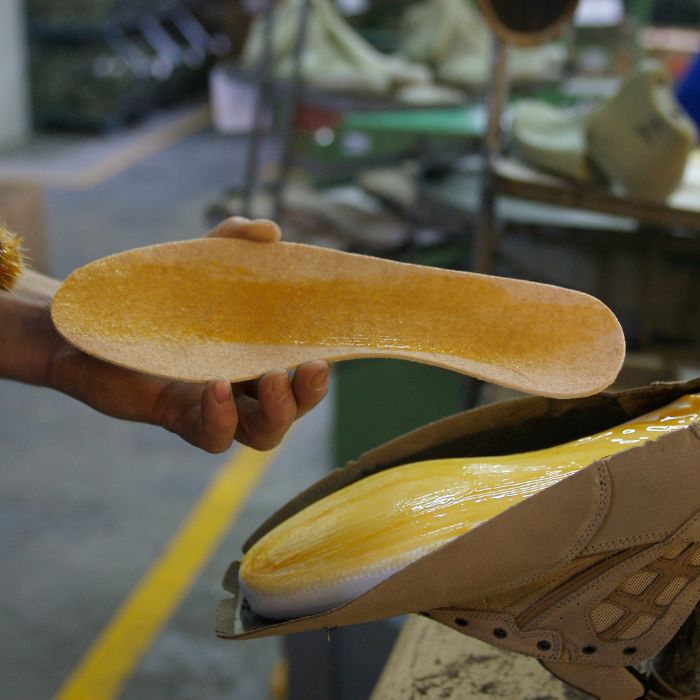
Some shoes have a shank inside that limits bending and twisting of the sole. The tougher and less stable the terrain, the stiffer the shank. A soft shank, or none at all, lets your foot move more naturally.
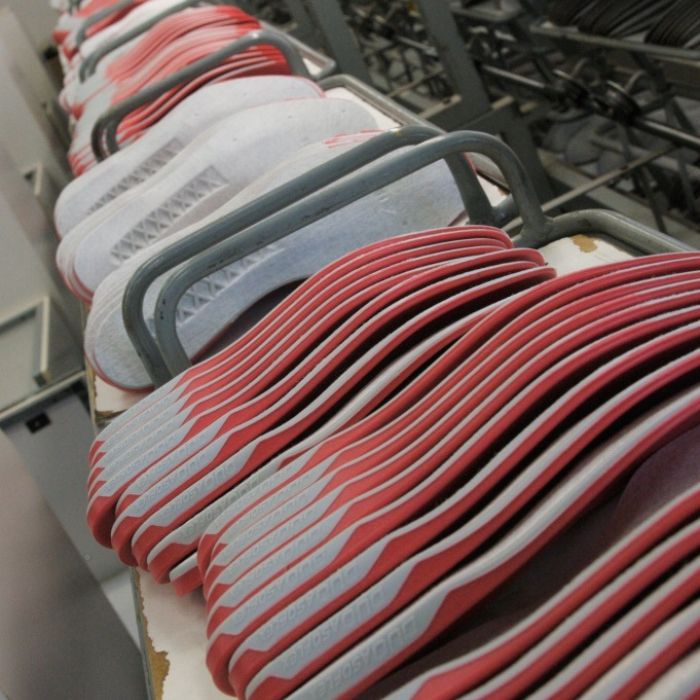
It absorbs impact and affects how energy passes from your foot to the ground. A softer one cushions better and is more comfortable on hard surfaces. A stiffer one gives a firmer platform and can better protect your foot from sharp bumps.
The compound, shape and tread decide how well the shoes grip the surface. A bold, deep tread suits soft, loose ground. But on rock, for example, a grippy compound and a larger contact area may matter more.
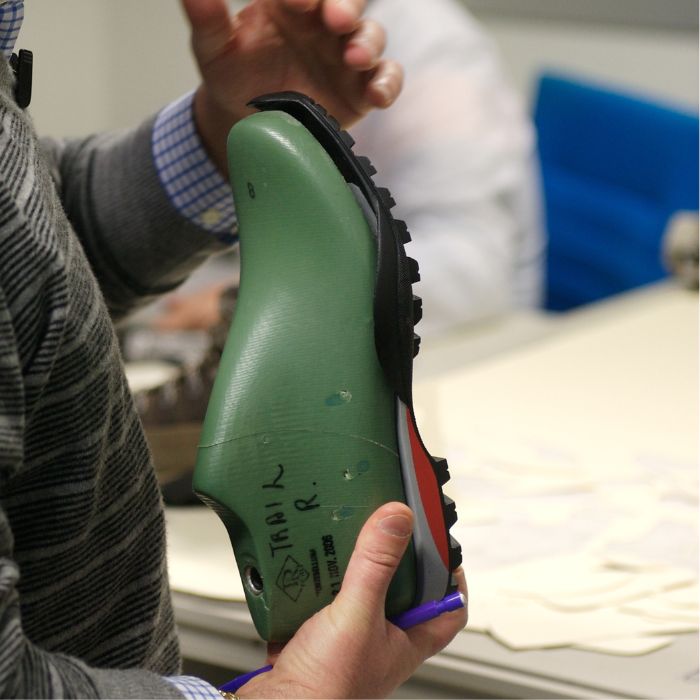
Here we go. Two possible ways to "put together" shoes during manufacture. It has nothing to do with their height, and yet it has a hell of an effect on stiffness. And stiffness also decides how stable a shoe is or isn't, right? We'll walk you through how boots are built – from the last to the upper – in this part of our Advice section.
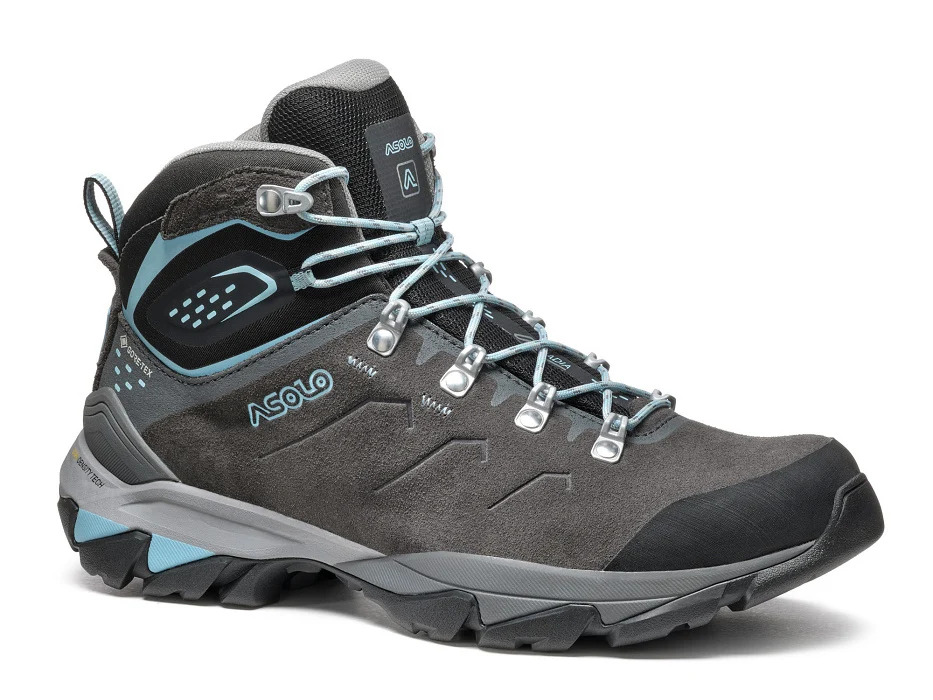
Mid-cut and versatile. In the small Italian town of Nervesa della Battaglia they know how to make boots you'll feel good in – on day trips as well as when trekking from one mountain hut to the next.
The Mid version of the Asolo Acadia has a durable leather upper. A waterproof GORE-TEX® membrane. With a softer shank it adapts to your feet and the ground beneath them. And with the Sigma Grip sole you won't end up on your backside in mud or on wet rocks.
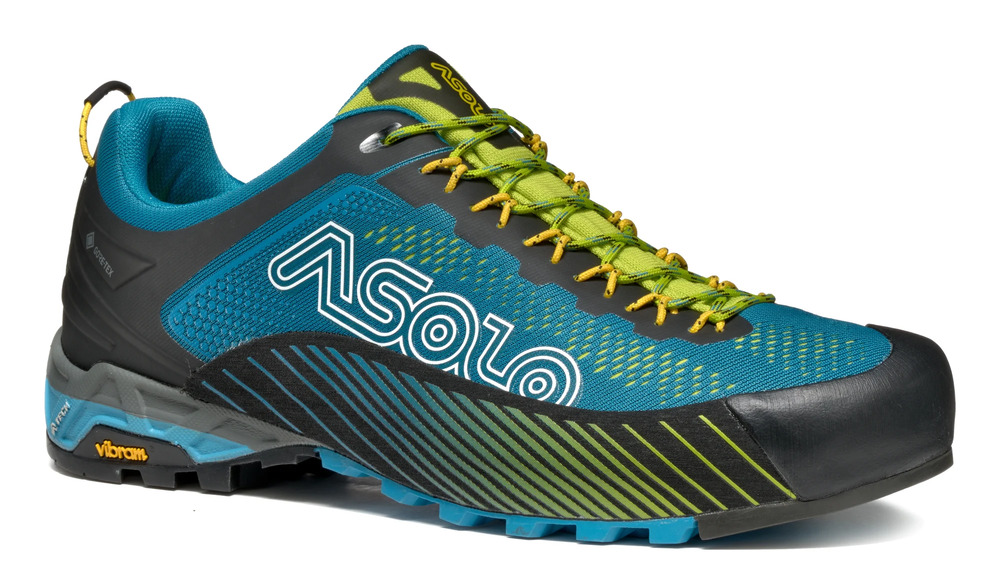
Climb all the way to where the world ends and the sky begins. It may be tough, but it'll definitely be uplifting. Asolo Eldo EVO climbing approach shoes will back you up without reservation up there. On rock, on the ferrata and on the way down.
A solid build is the foundation. The sole is stiff and therefore stable between rocks and on steel rungs. With a sharp climbing toe you can stand on even small rock edges. And the seamless upper with a tough rand survives even seriously sharp terrain.
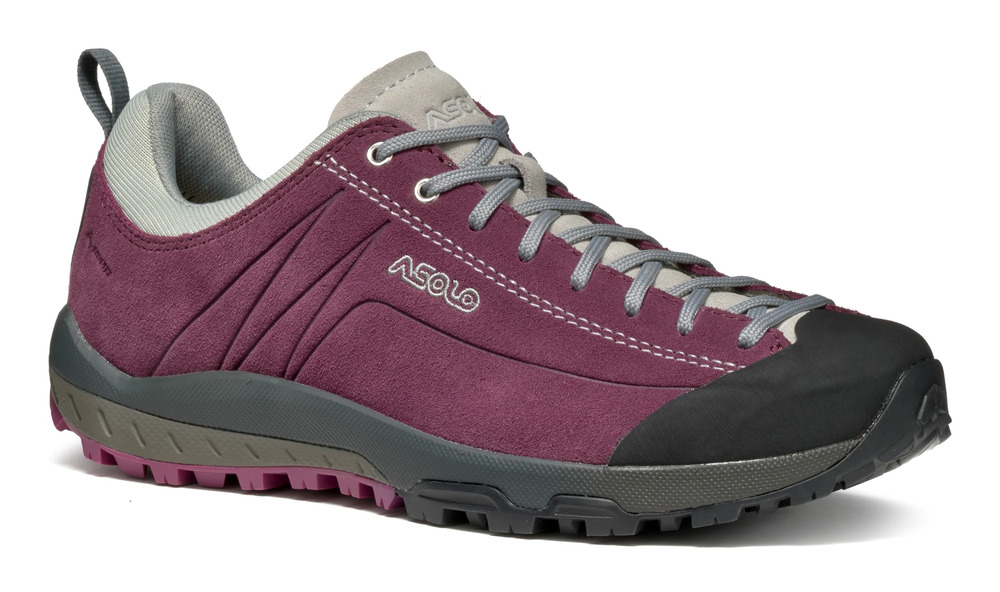
A classic proven over the years? An everyday shoe? You could say that. Wear them to the crags, take them for a spin in the Czech hills and, after all, you won't feel out of place in them in town either. That's right. The Asolo Space is footwear for outdoor souls.
Leather upper, lacing that runs right down to the toe. Just like on climbing shoes – so foot and shoe merge into one solid unit. The rubber toe cap protects your toes from knocks, and the self-cleaning outsole tread bites into all kinds of terrain.
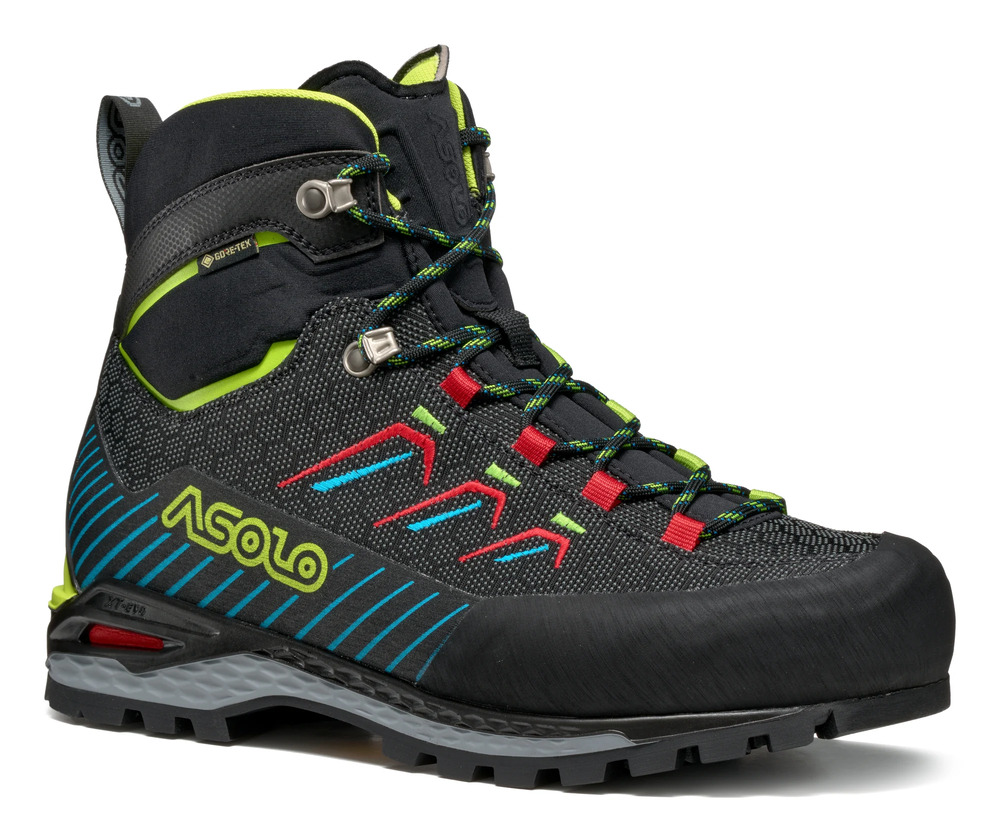
Across scree and snowfields, over rock and steel cables – all the way to the summit. These boots were made with a single aim: to get you as high as possible while weighing you down as little as possible. And when they can't manage on their own, you clip on semi-automatic crampons.
The abrasion-resistant fabric of the upper handles even sharp limestone scree without a scratch. With the sharp climbing toe you can stand on small edges too. And the medium-stiff inner shank of nylon and glass fibre gives you confidence on unstable ground.
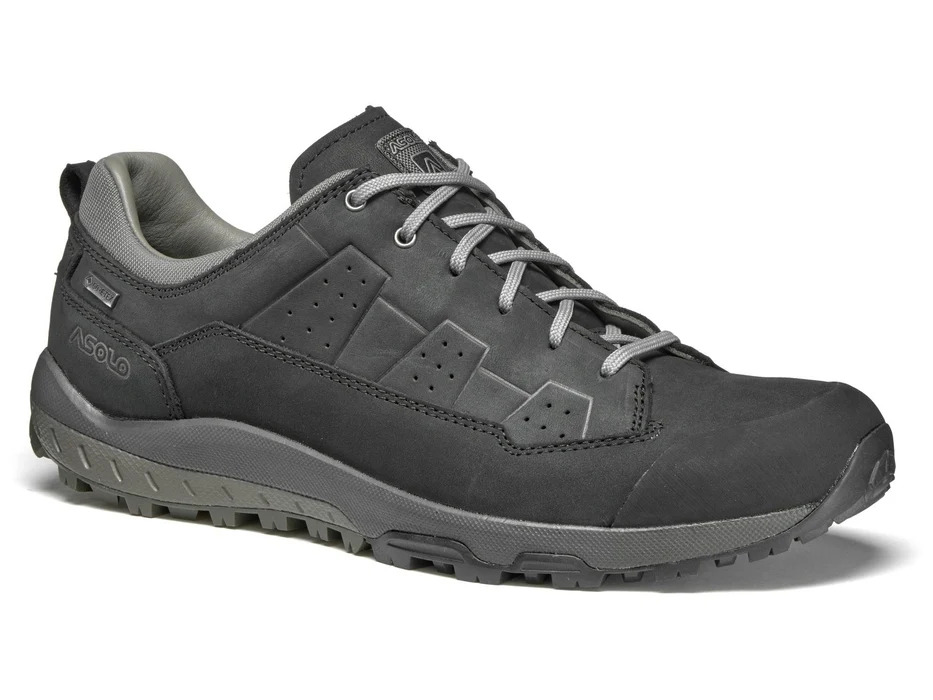
Outdoor at heart, city on the outside. You can wear urban shoes to a business meeting. No problem. And yet they'll handle a winding trail in the foothills too. It's in their DNA – even if you can't tell at first glance under the sober upper.
The smooth nubuck is backed by a GORE-TEX® membrane. The outsole tread and compound are the same as on the outdoor Space GV. The lacing is more traditional, though – it doesn't run so far down to the toe. But the toe's rubber protection comes in handy anywhere.
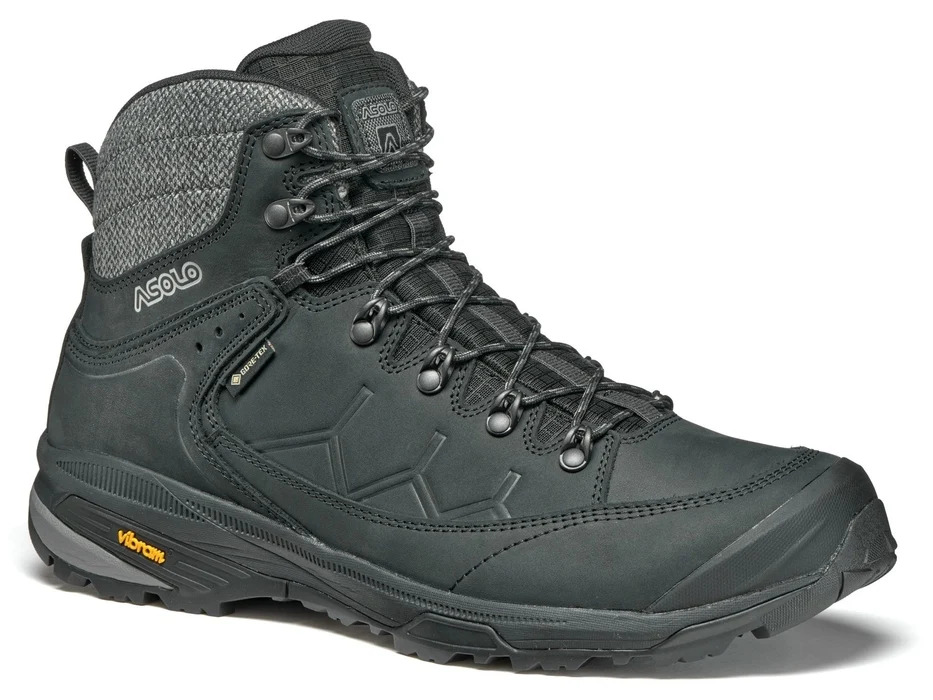
Warm and non-slip. So they have exactly the qualities you need in today's winters, when what awaits you in town is mostly black ice and melting slush. But strolling through a mountain landscape or a snowy mountain village afterwards – that'll be your reward.
The insulated GORE-TEX® membrane keeps your feet dry and warm – down to minus 15 °C. That's the first asset. And the Arctic Grip elements, which feel like sandpaper to the touch, give the sole exceptional grip. Even on packed, slippery snow. That's the second.
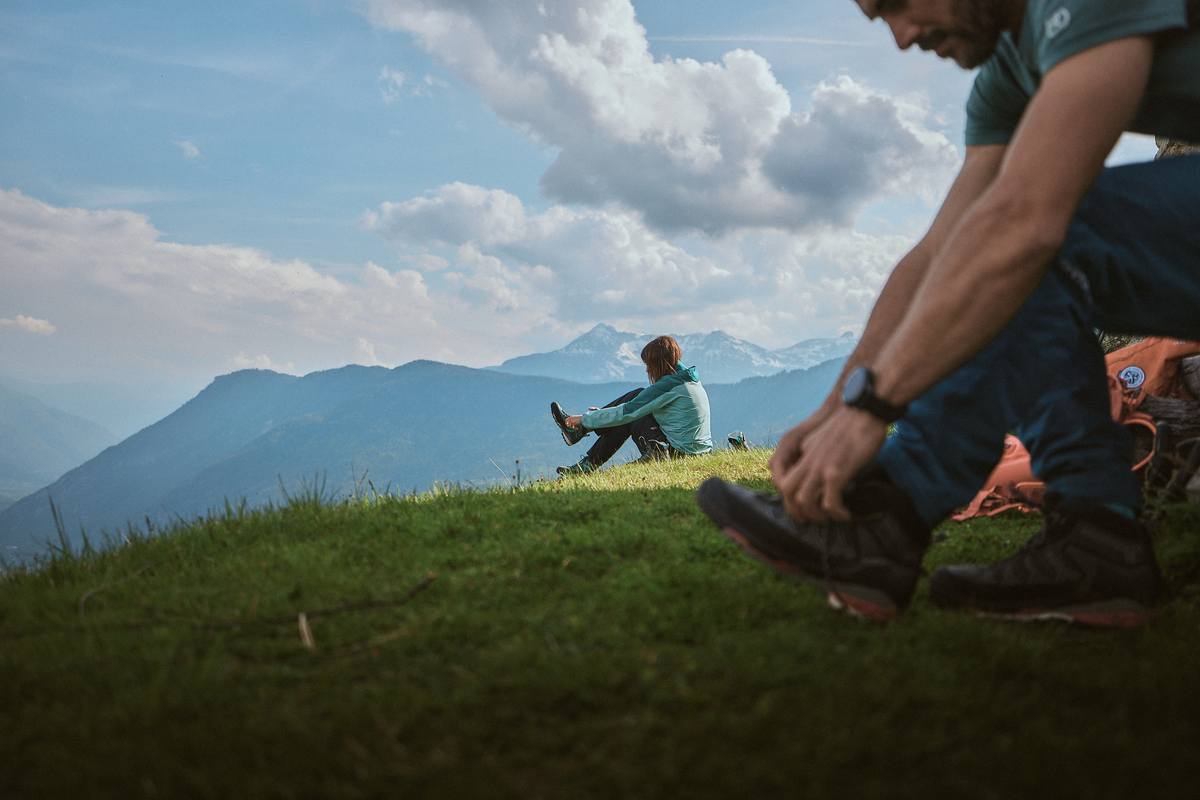
To sum up. Want to run around the mountains in low shoes? Go for it! But the higher you go, the greater the demands on your experience and physical condition. Unless you're a seasoned mountain goat, a higher cut is the wiser choice as the difficulty rises.
Still, when you're choosing, first be clear about where you'll be wearing them. Because, as you now know, how sure your footing is depends on more than height alone.
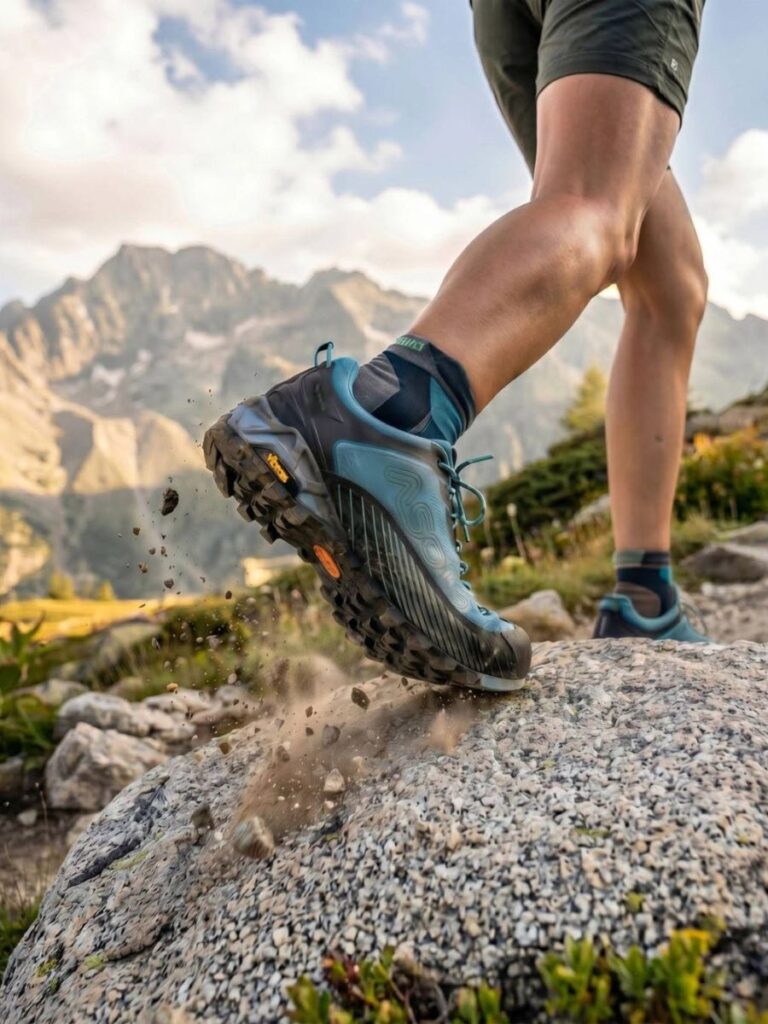
Stiffer shank, climbing zone at the toe, protective rand at the toe and along the sides.
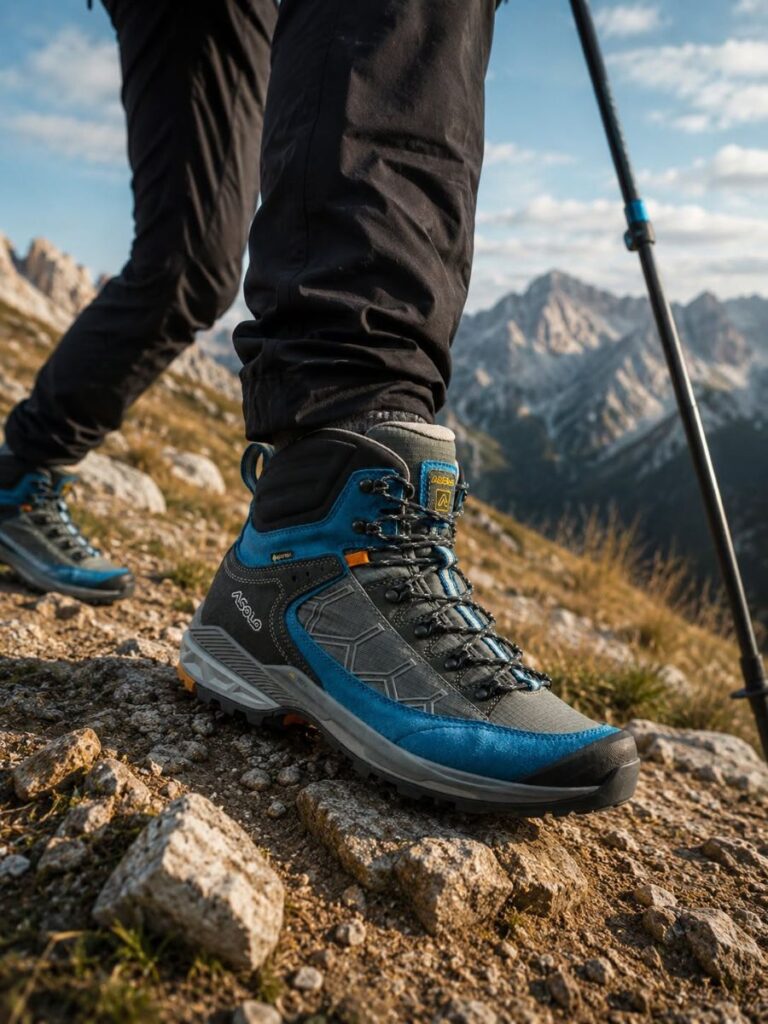
Softer shank, deeper outsole tread, cushioning midsole.
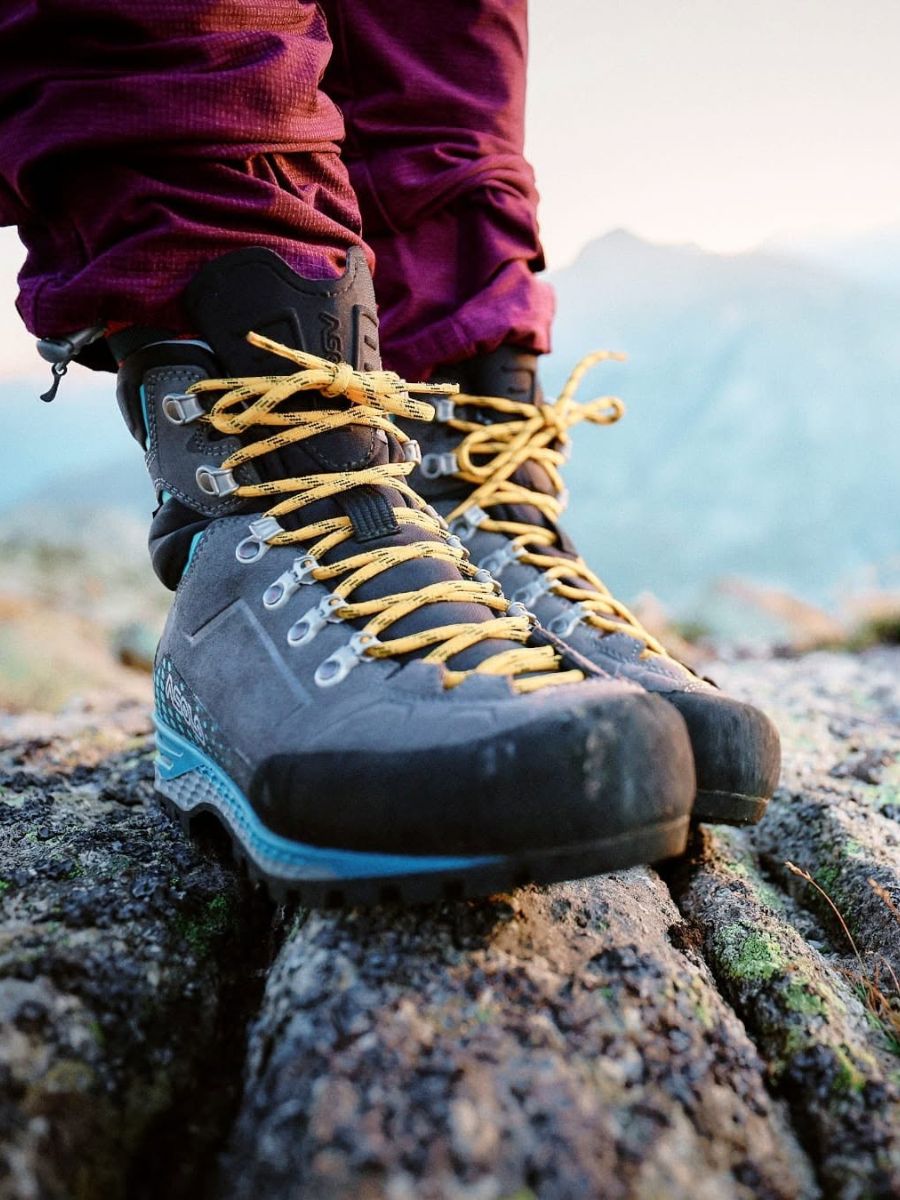
Stiff to rigid shank, crampon compatibility, tough upper.
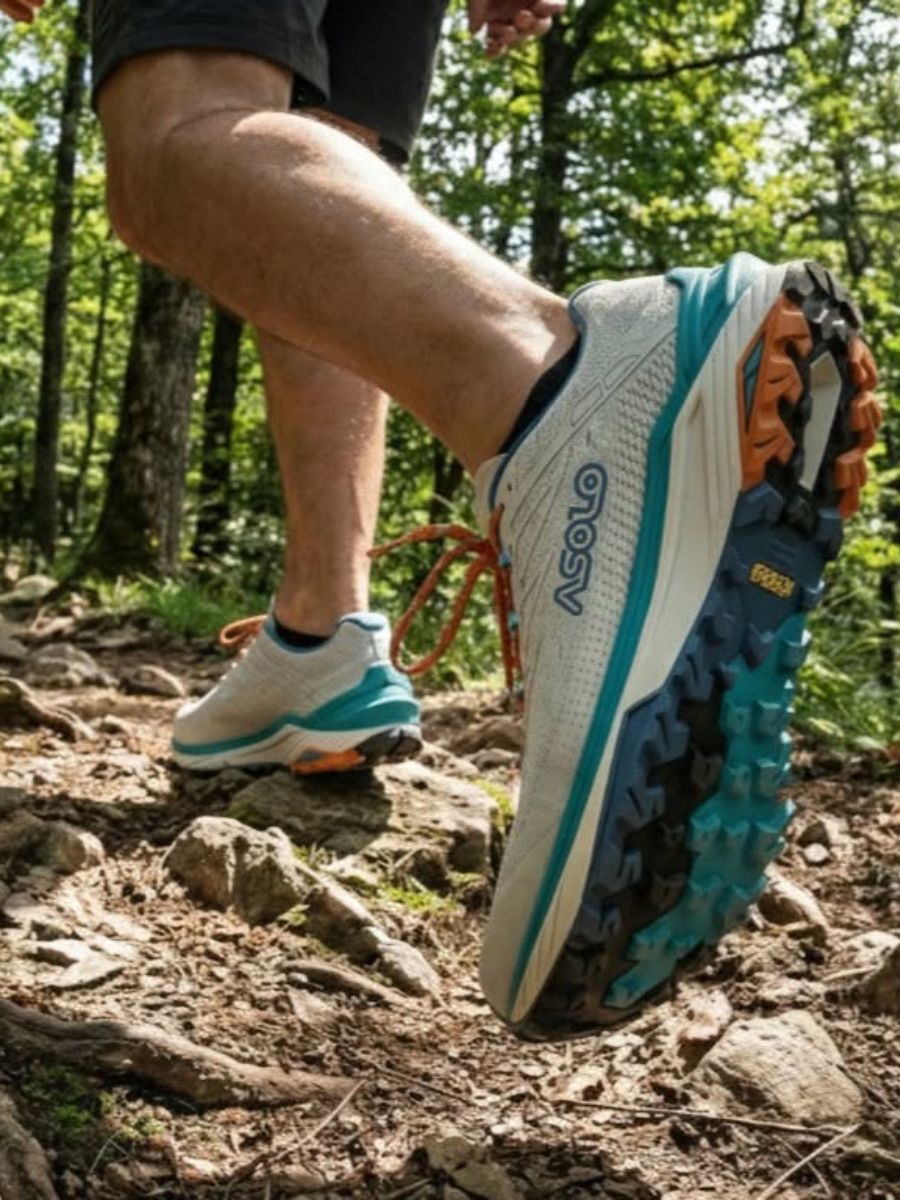
Low weight, more breathability, adaptable upper material.
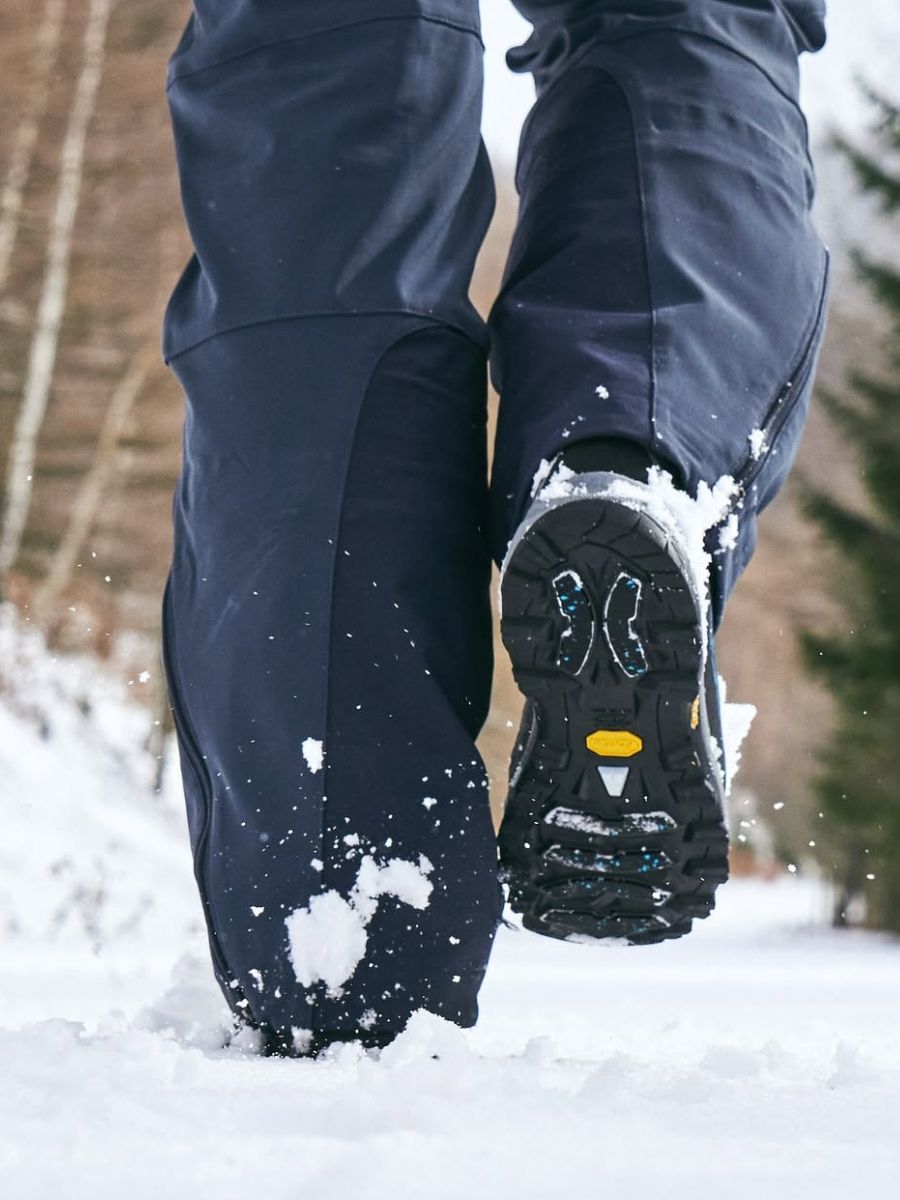
Insulated membrane, anti-slip outsole elements.


