Are Low Shoes Enough? And What About Your Ankles
They're light and comfortable. But how much ankle support do they give? Aren't higher boots better for the mountains? It depends. Height isn't the only thing that decides stability.

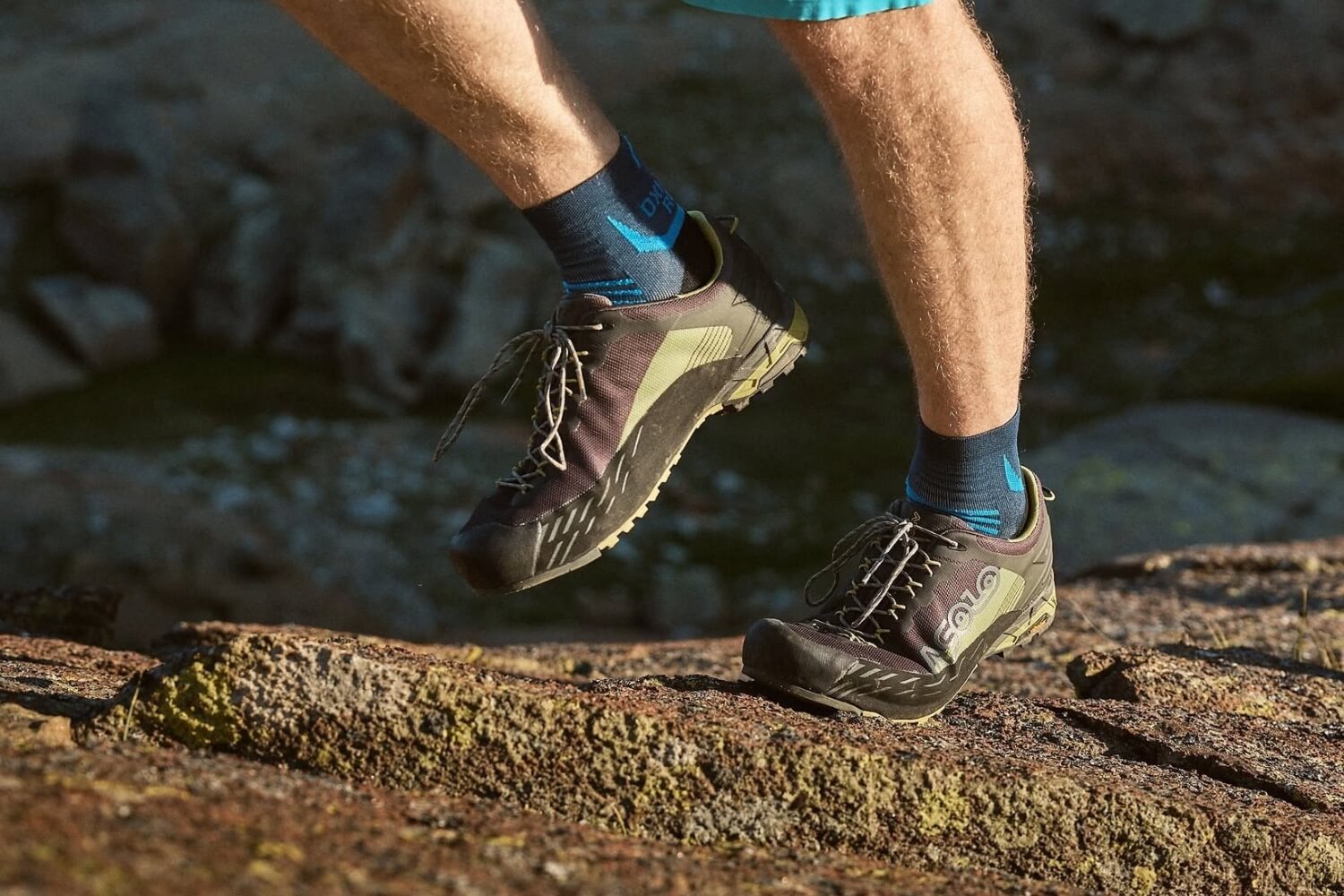
They're light and comfortable. But how much ankle support do they give? Aren't higher boots better for the mountains? It depends. Height isn't the only thing that decides stability.

Boots with a membrane, yet your feet still get damp. Doesn't it work? Oh, it does – the membrane does its job. Physics just has limits we can't get around.

Hallux valgus. Bunions. No fun at all on a mountain hike. Where can you find boots that won't make you suffer? Do they even exist?

There's plenty of "good" advice out there. Fill your boots with grain and pour water in. Stuff a potato in the toe. But all of it can do more harm than good.

Blisters are fairly easy to prevent. And even when one starts to form, you can still carry on without pain and misery.

Damp, frost, icy ground, knee-deep snow. Some boots are better in winter than others. Because they don't slip, for one. See which ones they are.

Hundreds of tread patterns and hundreds of compounds. Now find the right combination so the sole doesn't slip and lasts, too. Find out what you're actually walking on.

Tips proven over the years for getting your hiking boot size right first time. Whether you're buying in a shop or online.

Learn a few lacing tricks and you might even get rid of blisters, stop your boots rubbing and get a better fit over your high instep.

Swap the sole, replace a worn-out rand and maybe fix the seams too. Send your Asolo boots off for a month-long spa treatment.

Every trip to the mountains leaves its scars on your boots. Look after them properly and they'll serve you well for years longer.

Last, upper, rand, lining, midsole, outsole. Once you understand how boots are built, you'll find the right pair too.
